Decoding Art Movements | Realism
Realism is universally recognized as the ultimate source of Western modern art concepts and numerous formal schools. It completely broke the thematic constraints of traditional myths and ancient heroes, directing the artistic vision toward the secular lives of commoners, nature, and the "nobodies" at the bottom of society, enabling laborers, long despised by the upper class, to attain subjective dignity and status in art.
01 Concept Overview
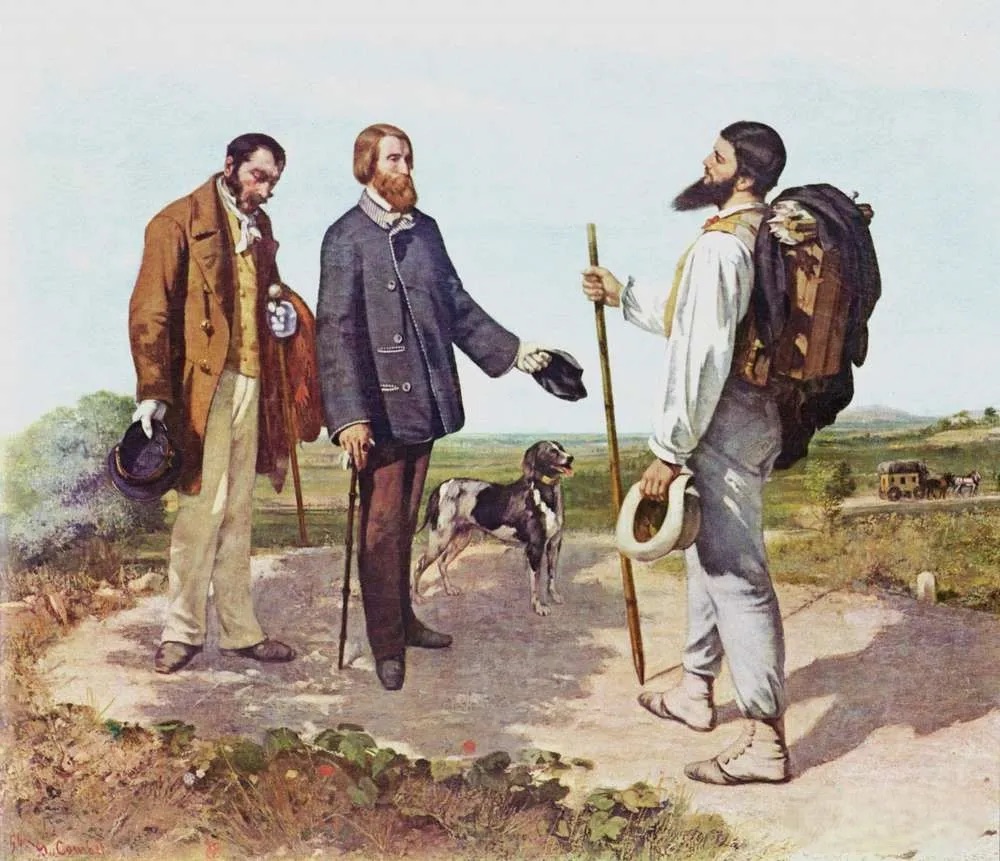
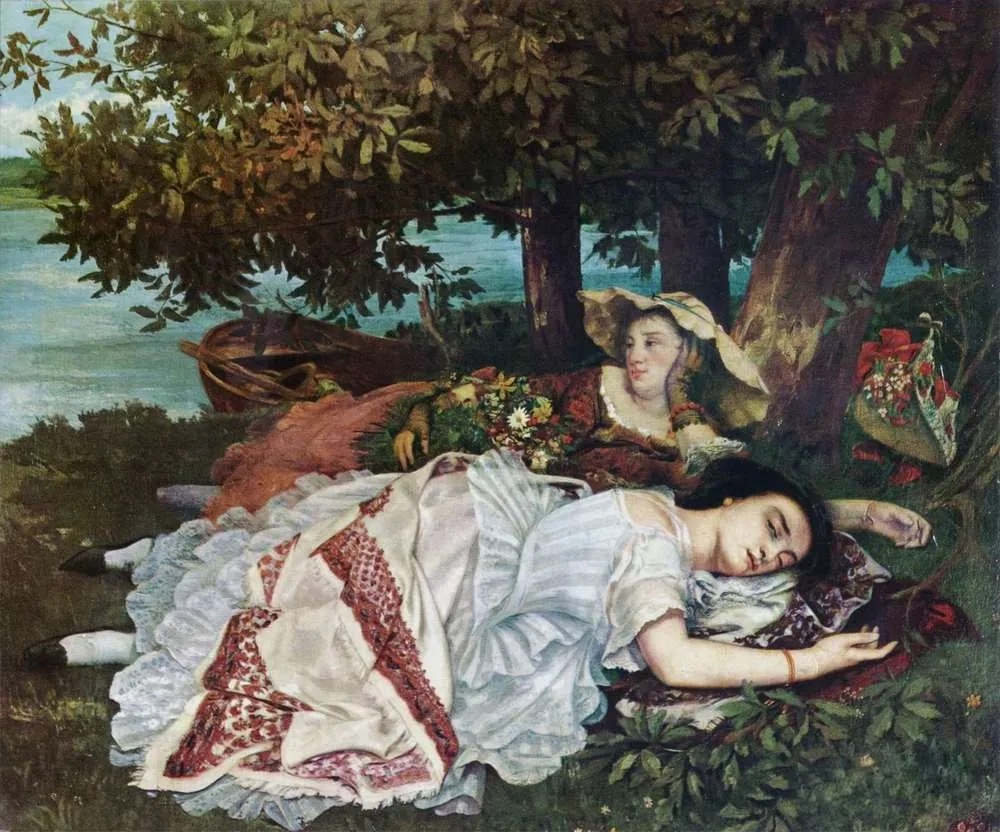
Realism is a literary and artistic movement that emphasizes the objective and truthful reflection of social life. It broke the thematic constraints of traditional myths and ancient heroes, turning its gaze to the secular lives of commoners, nature, and the "nobodies" at the bottom of society, exhibiting strong social criticality, exposure, and a tendency toward reform. In literature, giants like Balzac, Stendhal, Dickens, and Tolstoy viewed literature as a means to dissect society. They practiced the core principle of "typical characters in typical circumstances," creating countless widely representative character images. In the fine arts, leaders like Courbet, the peasant painter Millet, and Repin of the Russian Peredvizhniki (The Wanderers) made great attempts in realistic techniques and objective plein-air exploration. They allowed laborers—who had historically been despised by the upper class—to gain subjective dignity and status in art.
Etymologically, the word "reality" comes from Latin, meaning real and actual. In the context of Western art history, Realism as a conscious concept originated in France. Its origins and forerunners can be traced back to the Barbizon School, which emerged in France in the 1830s and 1840s. These landscape painters negated the false historical landscape formulas of the academic school with genuine, natural landscapes. The formal establishment and naming of "Realism," however, stemmed from the personal exhibition of the French painter Gustave Courbet in the 1850s. Following the 1848 Revolution, he became the first to label himself a "Realist," propelling this movement to spread rapidly across various countries. Particularly after the brutal suppression of the 1848 Revolution that swept across Europe, the romantic ideals of "liberty, equality, fraternity" were completely shattered. A calm, pragmatic social psychology that directly faced the status quo began to form. People urgently demanded an objective understanding of reality, which directly led to the widespread manifestation of critical Realism in art.
The guiding ideology of Realism has profound historical roots. At its oldest source, it inherited the "theory of imitation" from the ancient Greeks Democritus and Aristotle, which posits that art originates from human instinct to imitate, and that art is the imitation and reproduction of nature, society, and life. Aristotle argued that art reveals general truths and universal laws through individual images; therefore, realist literature is considered the highest developmental stage of the imitation theory. In the mid-19th century, with the rapid progress of science and technology—especially the birth of photography in 1839 with its powerful documentary and reproductive capabilities—traditional realistic painting faced a massive technological impact, making the trend of objectively observing and faithfully reproducing life details even stronger. Meanwhile, the rise of Auguste Comte's positivism, modern sociology, and materialist philosophy laid a solid scientific and philosophical foundation for realist art and literature. Russian aesthetician Chernyshevsky further proposed the materialist aesthetic proposition that "beauty is life" and systematically elaborated the "theory of reproduction." He emphasized that the beauty of reality is superior to the beauty of art, and that art should act as a substitute for reality, serving to reproduce reality, explain life, and pass judgment on it. These theoretical ideas greatly propelled Realism from a spontaneous creative tendency into a highly conscious theoretical system.
This movement has vastly expanded the thematic scope and humanistic sensibilities of artistic creation, exerting a profound influence on the subsequent development of art. Realism is not merely a rote, chronological recording of life; rather, through the rigorous depiction of details and profound social dissection, it provokes public reflection on social systems, human nature, and destiny. Its creative philosophy not only directly spawned and influenced later Impressionism and Naturalism but also directly or indirectly inspired modern formal movements like Surrealism. Therefore, Realism is not just a literary and artistic movement of a specific historical period, but is universally recognized as the ultimate source of Western modern art concepts and numerous formal schools.
02. The Development of Realism in Fine Arts
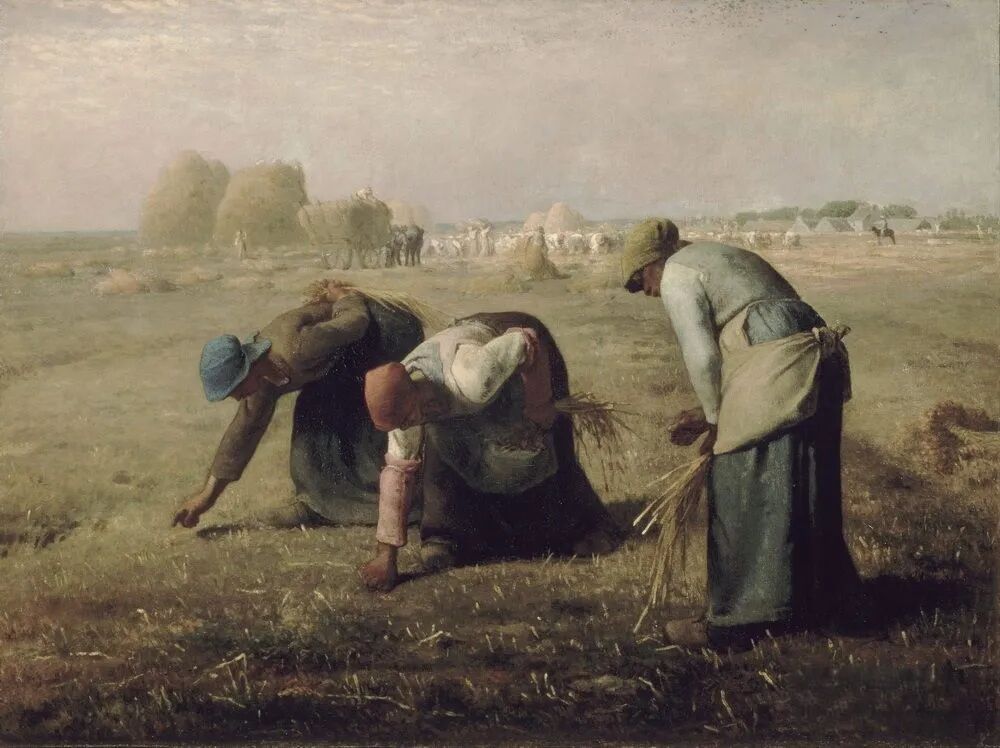
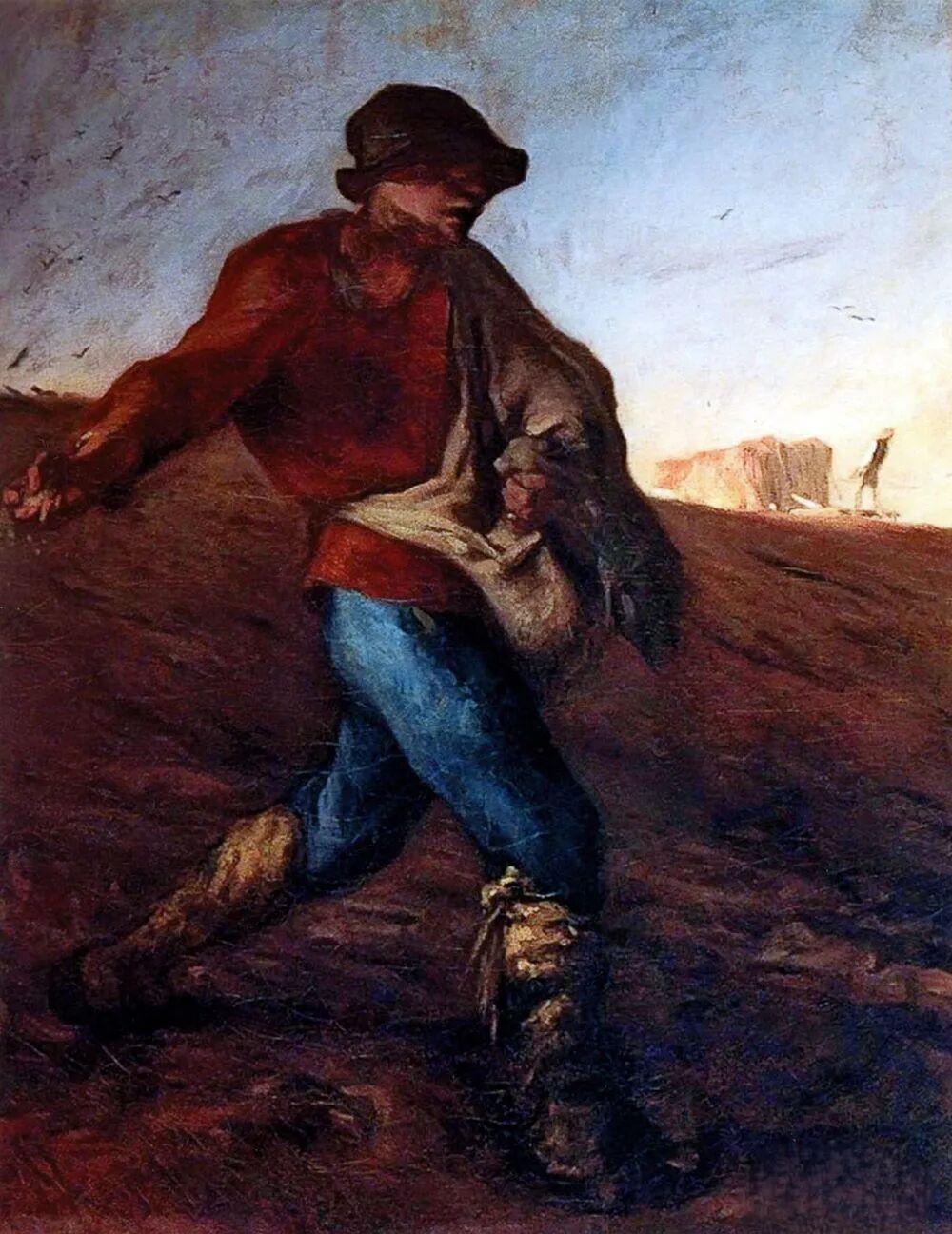
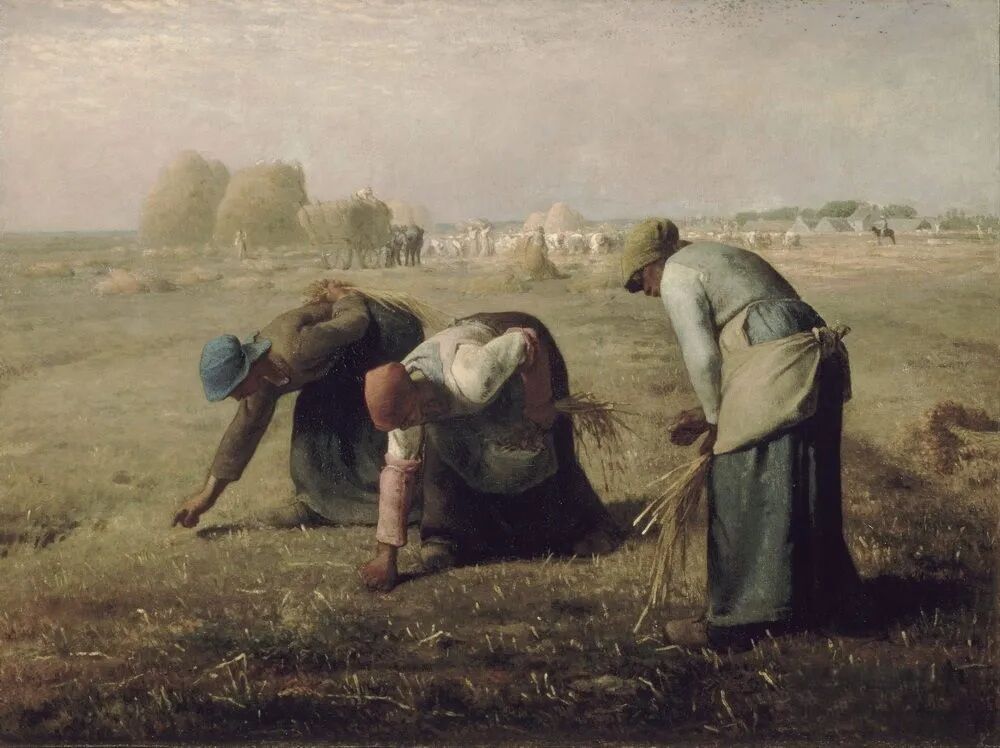
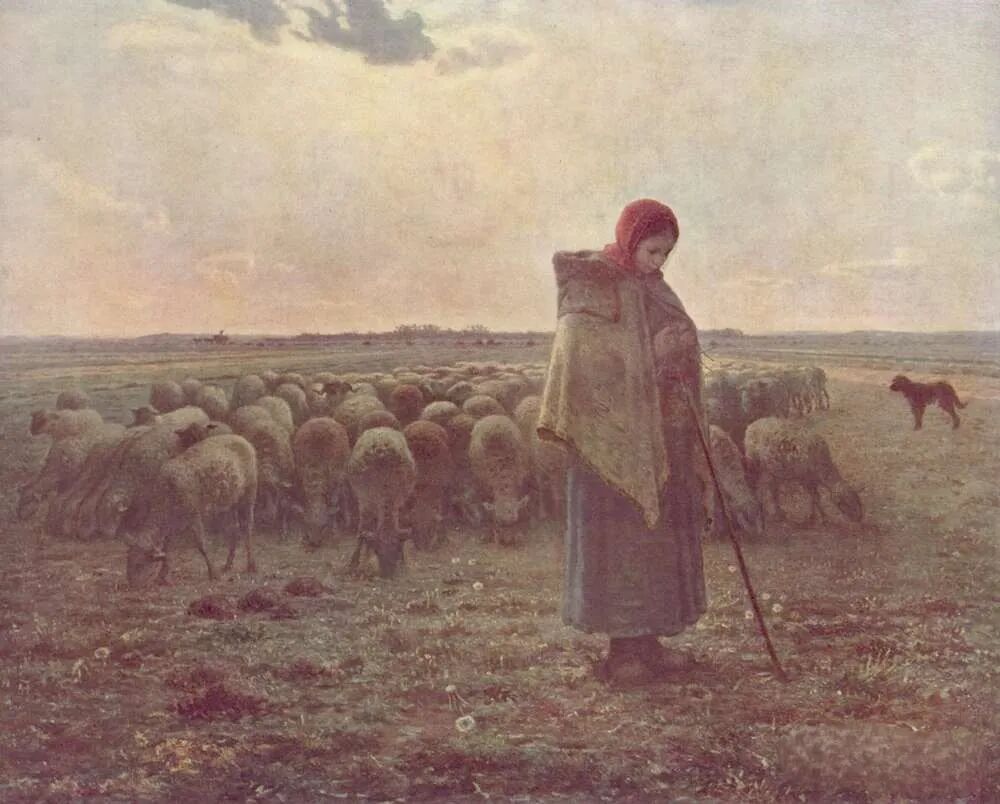
In the field of fine arts in the 19th century, France was the axis of the Realist art movement. As the pioneer, the Barbizon School advocated the creative principle of "facing nature, painting en plein air." Painters stepped out of their studios to sketch directly outdoors, exploring the subtle changes in light and color, paving an independent thematic path for plein-air landscape oil painting, and laying the foundation for the later Impressionists. Among this group, the most outstanding realist peasant painter was Jean-François Millet. Born to a peasant family, Millet dedicated his life to depicting the pastoral life and daily labor of farmers. His painting style is profound and unadorned, his emotions sincere, and his figures possess a solemn, monumental, sculptural quality. Millet's masterpieces, such as The Gleaners and The Sower, condense his deep empathy for suffering peasants, reflecting the misfortune and tenacious vitality of the lower class, directly inspiring later art masters like Van Gogh.
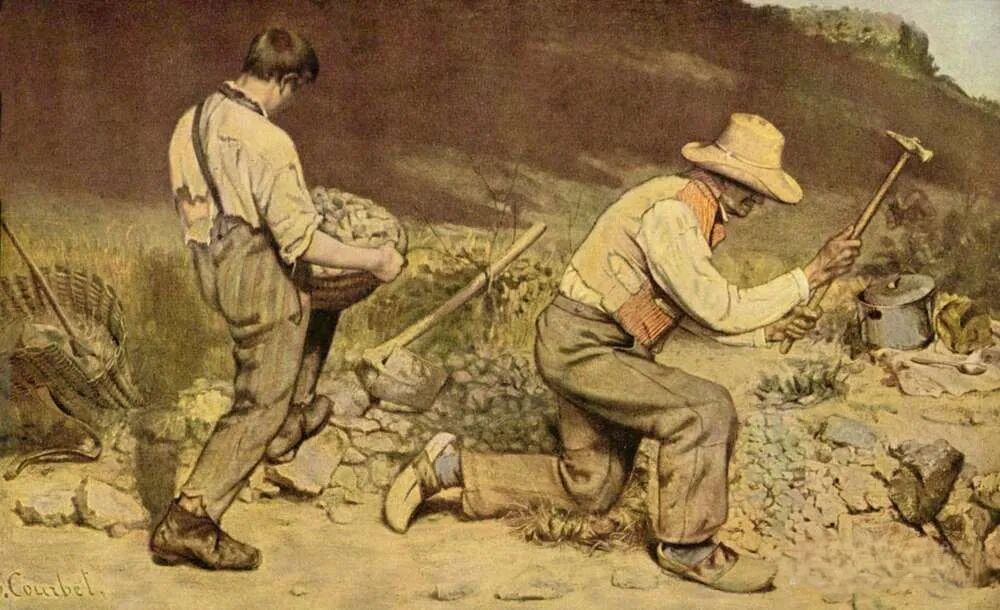
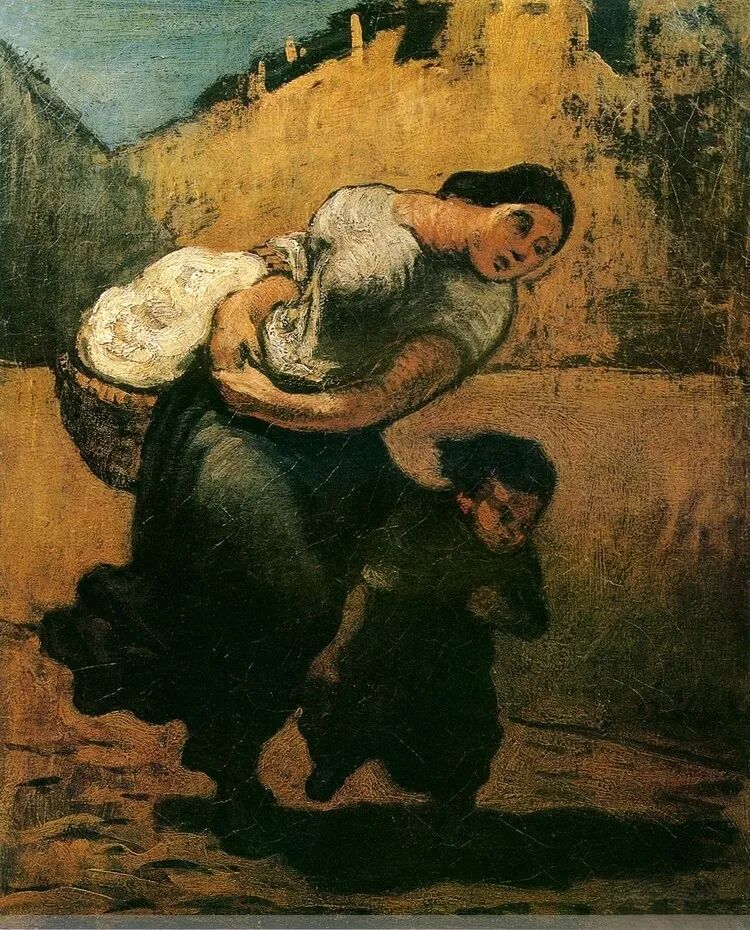
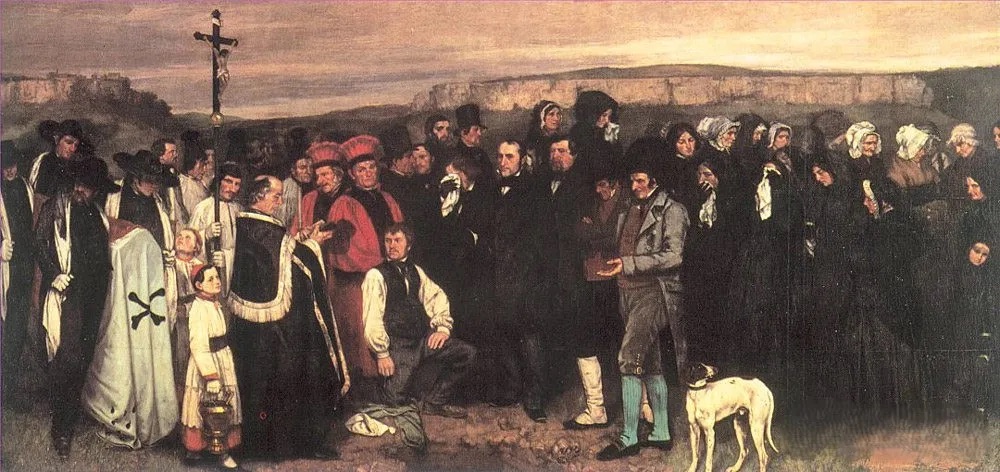
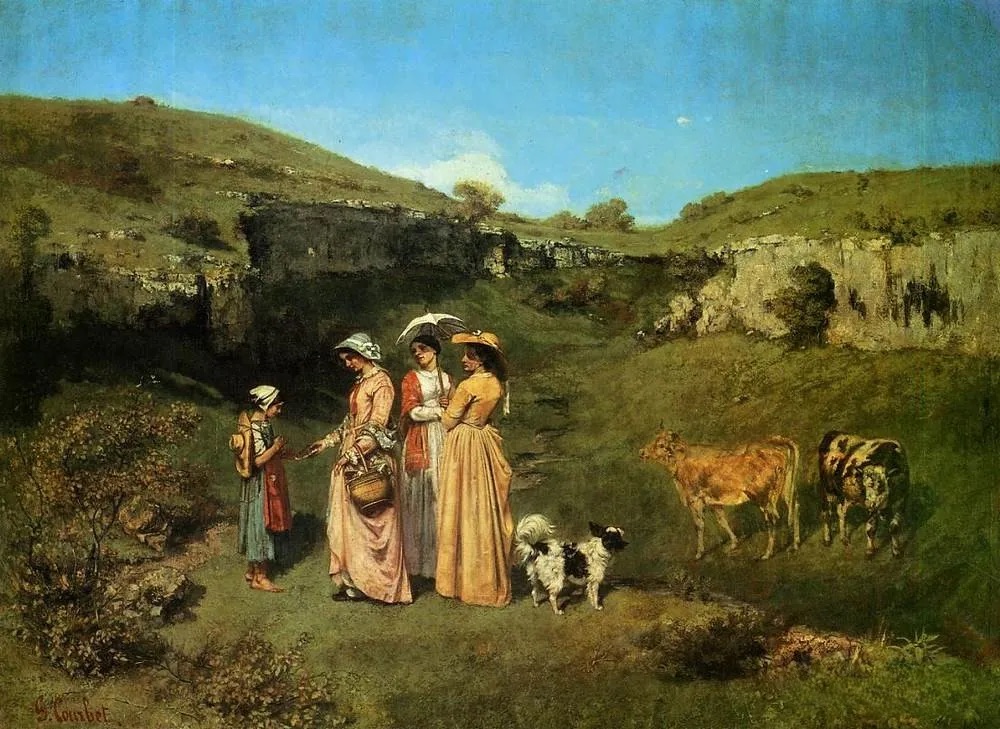
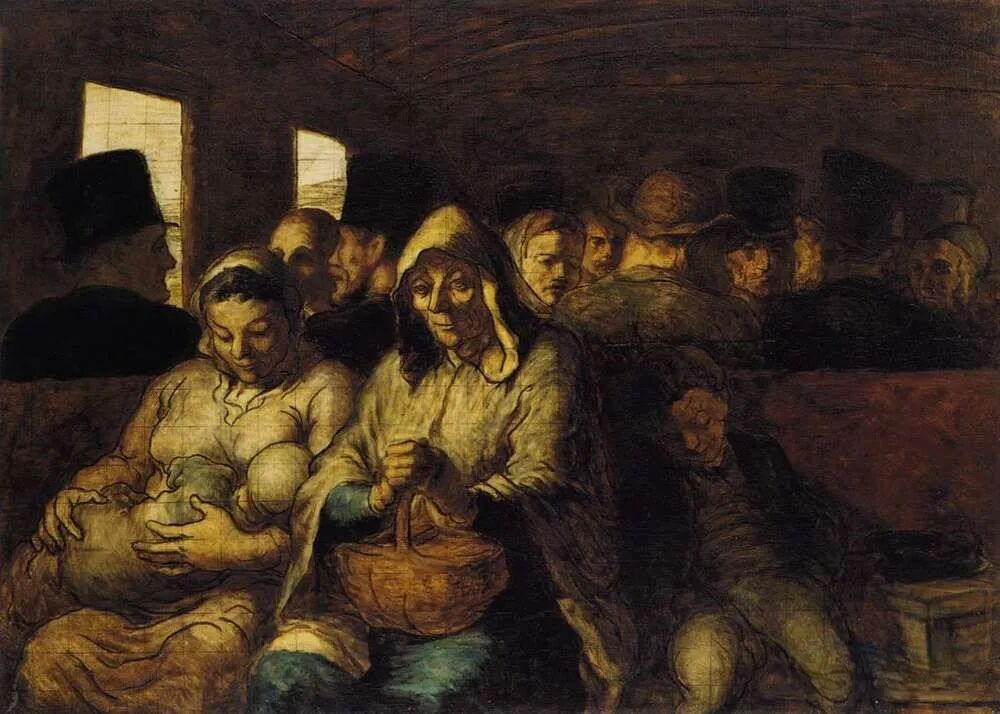
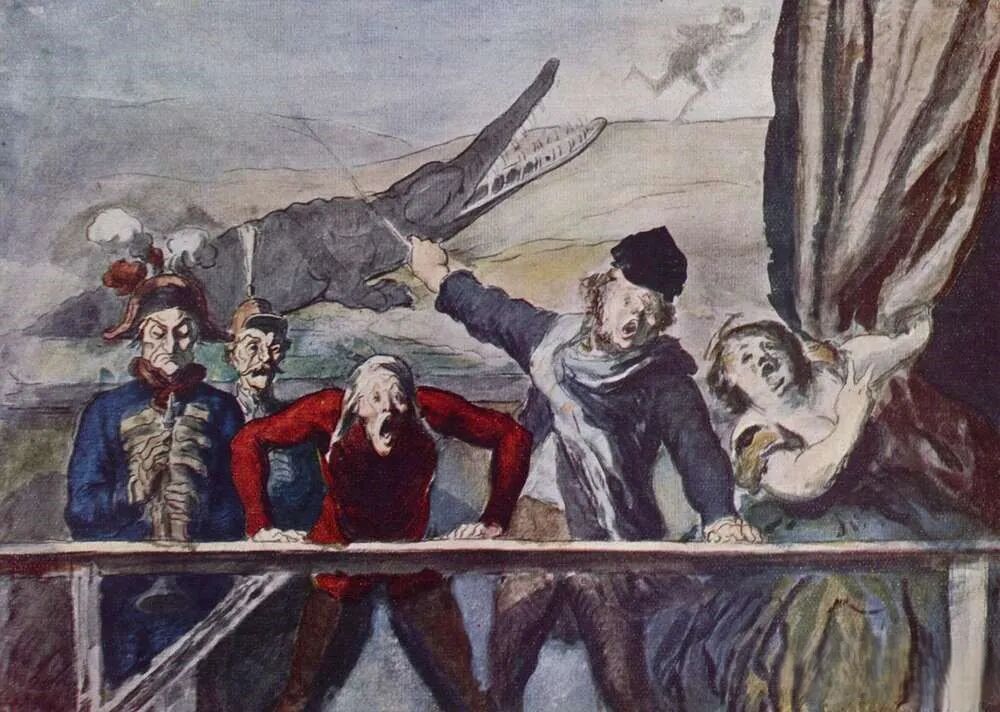
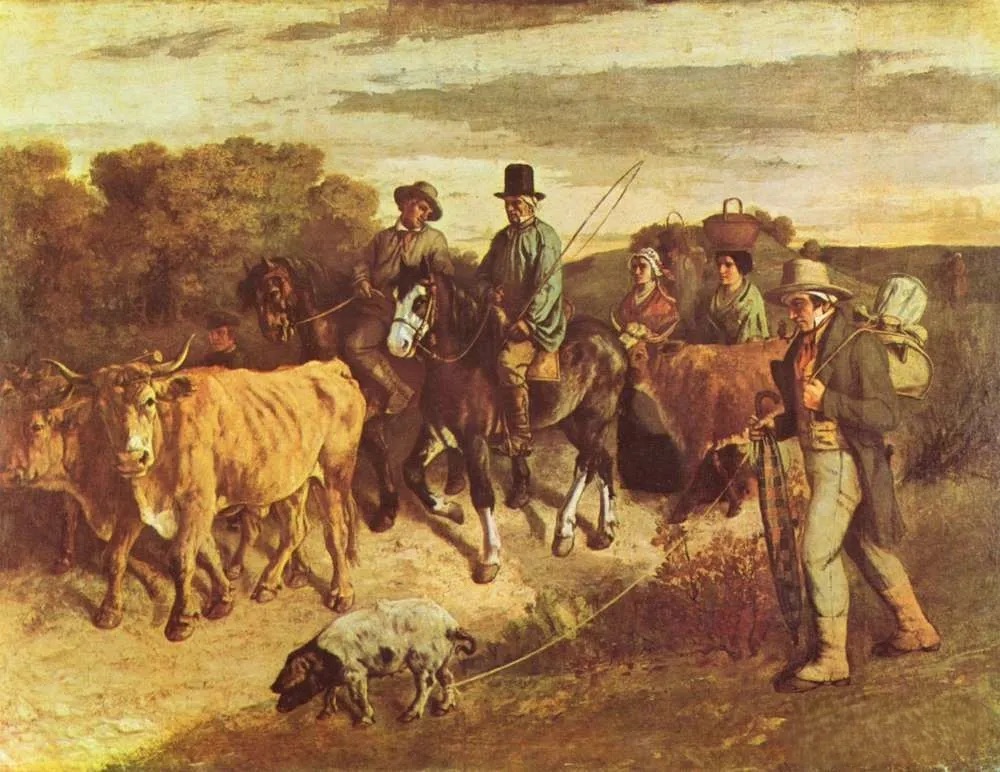
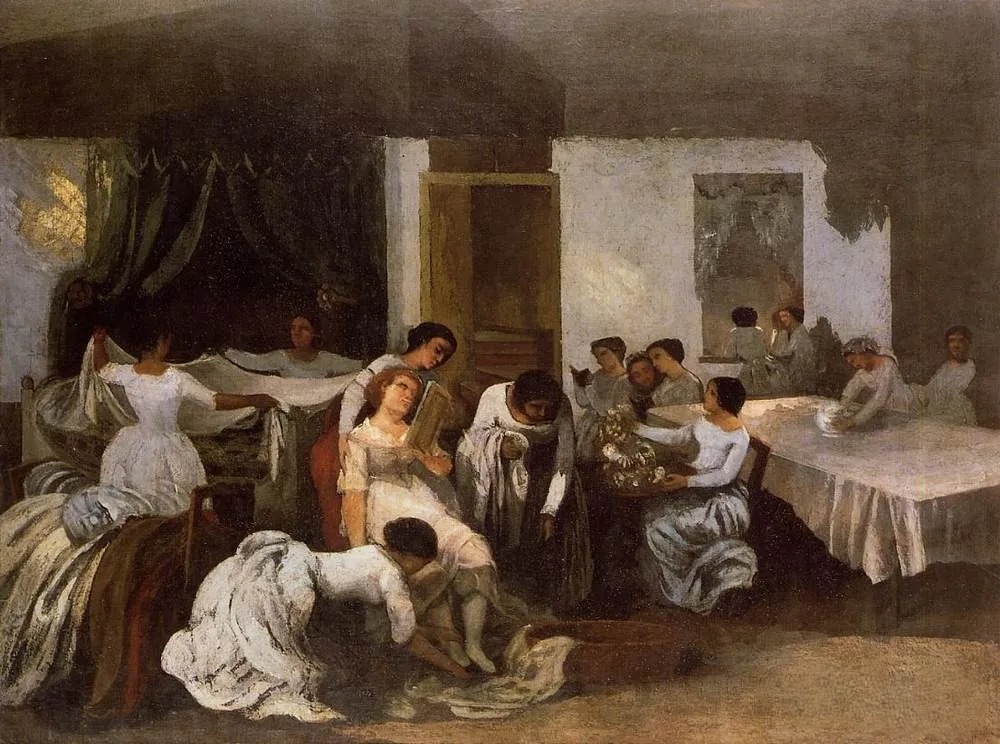
Gustave Courbet is the undisputed leader of Realism in fine arts. In 1855, Courbet published his famous Realist manifesto, declaring that "Realism is essentially democratic art," resolutely opposing the rigidity of Neoclassicism and the illusory imagination of Romanticism. He emphasized that "art should only be the reproduction of real, existing things" and argued that painting should only depict what the eye can directly see. Courbet excelled in using broad brushes and palette knives to apply paint, adding a solid, heavy physical weight to the objects in his paintings. His massive oil paintings, A Burial at Ornans and The Stone Breakers, placed the daily lives of ordinary provincial commoners and the harsh conditions of lower-class laborers at the life-size center of the canvas, challenging the illusory, sublime aesthetics of the academic school with an extremely plain and authentic visual language. At the same time, Honoré Daumier also made significant contributions to social realism with his sharp caricatures. He often depicted the working class in third-class carriages, observing, exposing, and critiquing social problems with a keen eye.
Realist sculpture is represented by masters like Auguste Rodin and Aristide Maillol. Rodin broke through the academic clichés of idealized, smooth, and rounded aesthetics. He advocated that life and truth are the highest realms of art, believing that even an ugly object possesses artistic beauty as long as it presents truth. In terms of technique, Rodin pioneered a rough-hewn modeling method, deliberately leaving the bronze textures or marble pits unpolished instead of smoothing the sculpture's surface. He adeptly used the contrasting undulations of "surfaces" to highlight the extremely complex psychological states and inner souls of his subjects. His masterpieces, The Thinker, The Age of Bronze, and Monument to Balzac, achieved a perfect unity of external reality and internal spirit.
In the mid-to-late 19th century, Realist art rapidly spread to other European countries. In Russia, due to the surge of democratic movements and the influence of populist ideas, the powerful Peredvizhniki (The Wanderers or Itinerants) movement was formed. Artists of this school mainly painted in a realist style, excelling in using psychological depiction, typification, and tragic techniques to express the reality of Russian social life. The representative figure, Ilya Repin, in his masterpiece Barge Haulers on the Volga, showcased a group of ragged barge haulers on a long, barren sandy beach under the scorching sun. Repin did not merely treat the people as objects of sympathy and pity; rather, through their distinct expressions, demeanors, and strides, he profoundly expressed the infinite wisdom, kindness, and awe-inspiring, immense energy embedded within them.
Entering the 20th century, realist and representational schools continued to evolve in different regions. The "Ashcan School" (also known as The Eight), which emerged in the United States in the early 20th century, advocated "art for life's sake," using gloomy, heavy tones to depict the urban slum life of New York's lower class. In the 1970s, "Hyperrealism" (or Photorealism) was born in the West, utilizing subtle painting elements to create high-resolution, photo-like visual illusions on canvas, incorporating emotional, social, cultural, and political themes, prompting people to re-examine the relationship between image and reality. In China, the Lingnan School, founded in the early 20th century by Gao Jianfu, Gao Qifeng, and Chen Shuren, advocated "compromising between China and the West, integrating the ancient and the modern." They combined the light-and-shadow perspective and boneless techniques of Western realism with the spirit of traditional Chinese freehand brushwork (Xieyi), initiating the realist modern transformation of traditional Chinese painting.
03 Impact and Evaluation
Realism is universally recognized as the ultimate source of Western modern art concepts and numerous formal schools. It completely broke the thematic constraints of traditional myths and ancient heroes, directing the artistic vision toward the secular lives of commoners, nature, and the "nobodies" at the bottom of society, enabling laborers, long despised by the upper class, to attain subjective dignity and status in art. Whether it was the 19th-century figures like Balzac and Stendhal using literature as a means to dissect and reform society, or 20th-century figures like Gorky and Thomas Mann exploring the proletarian revolution and the human spiritual condition "inwardly" in the face of the modernity crisis, Realism has consistently exhibited strong social criticality, exposure, and profound humanistic care. Through its exceptionally rigorous detail depiction and its core principle of "typical characters in typical circumstances," it has vastly expanded the thematic scope of artistic creation.
At the same time, Realism has earned the highest praise for its inclusiveness in art forms and its extraordinary influence in linking the past with the future. It is by no means a passive, chronological recording of life, but an open system with strong vitality, capable of keeping pace with the times. Throughout its development, artists like Courbet, Millet, and Repin made monumental attempts in realistic techniques and objective plein-air exploration, which directly spawned and influenced later Impressionism and Naturalism. Entering the 20th century, while maintaining the complete and coherent nature of plot, image, and language, it embraced modernist expressive techniques such as symbolism, absurdity, and stream of consciousness with a broad mind. This organic integration directly or indirectly inspired modern formal trends like Surrealism. This capacity for constant self-renewal makes Realism not merely a literary and artistic movement of a specific historical period, but an eternal spiritual torch that guides future generations of literary and artistic creators to deeply reflect on social systems, human nature, and destiny.
Source: 后电影时代考研
Images: Internet




Further reading
Artist of the Day | Zhao Yanliang
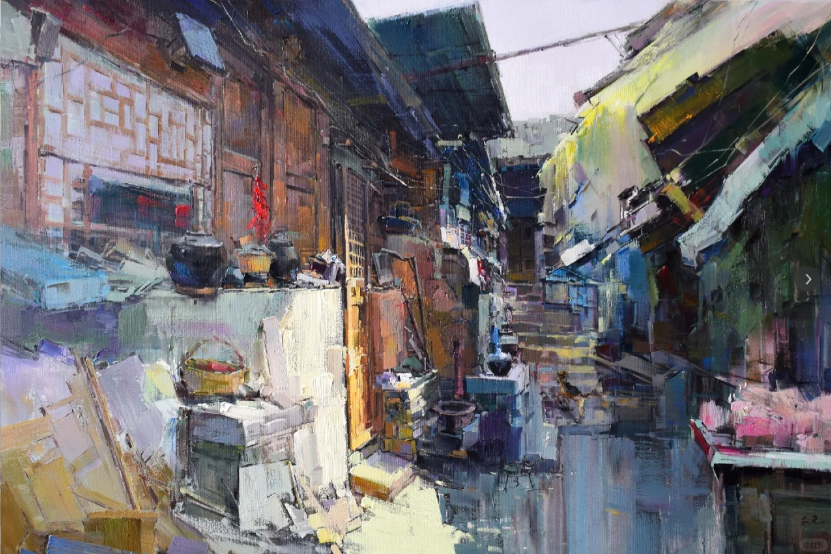
Zhao Yanliang was born in 1986 in Langfang, Hebei Province. He graduated from the Hebei Vocational Art College, pursued advanced studies at the Tianjin Academy of Fine Arts, and graduated from the Advanced Research Class of the Bai Yuping Studio at the Beijing Fine Art Academy in 2020.
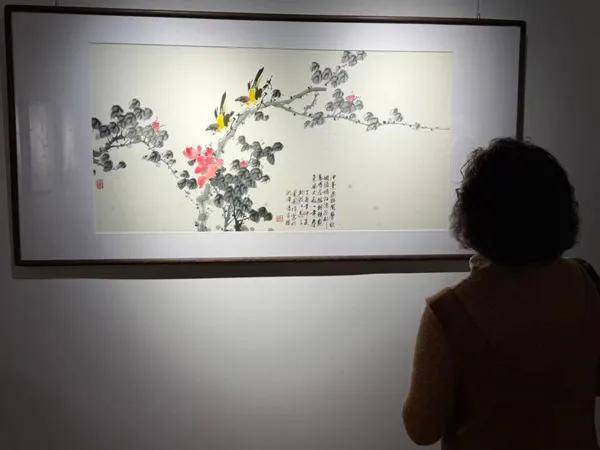
61 Works Showcase an Artistic Quest: "Endless Faint Fragrance – Zeng Jingxiang's Freehand Flower-and-Bird Painting Exhibition" Opens in Xiangtan
The exhibition features 61 of Zeng's freehand flower-and-bird works. It runs until November 21 and is open to the public free of charge.
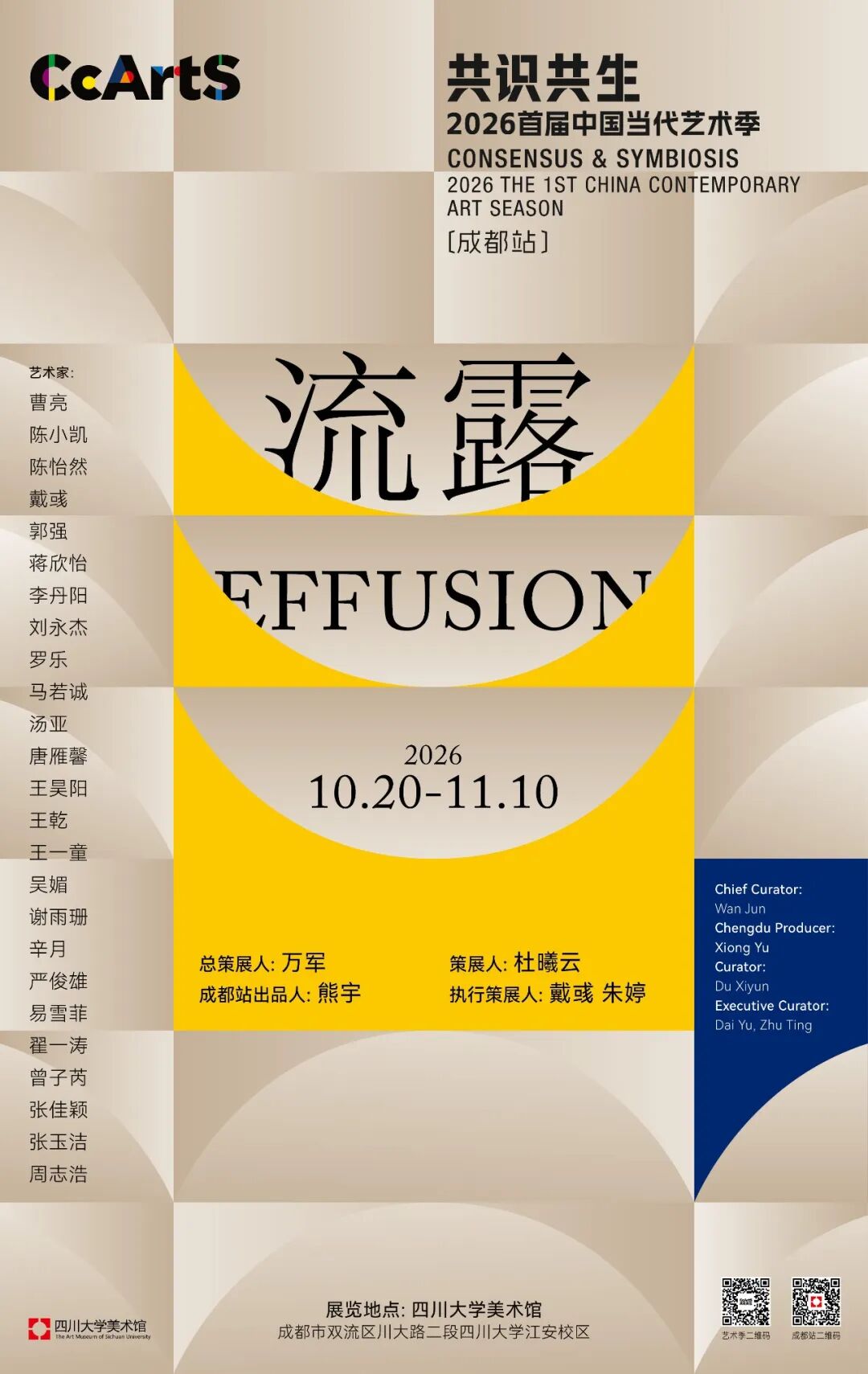
EFFUSION | Consensus and Symbiosis — The 1st Chinese Contemporary Art Season 2026 • Chengdu Station
We are living in an era of highly surplus visual information. Images are produced, disseminated, and reproduced at an unprecedented speed, and artificial intelligence has made image generation even easier. While the tools of expression are multiplying, discovering a truly personal artistic language does not necessarily become any easier.