The Experiential Turn in Exhibitions: Reconstructing the Curator's Role and Audience Subjectivity
It is perhaps within this fluidity and generativity that the exhibition, as a cultural practice, has found new possibilities that truly belong to our era.
For a long time, the word "exhibition" was almost synonymous with the act of display. Artworks were hung or placed in a space, curators wrote wall labels for them, and audiences walked by sequentially, reading the texts and completing an orderly act of cultural consumption. This model has persisted in the modern museum system for over a century, and its underlying logic is clear: artworks are vehicles for knowledge and meaning, curators are the organizers and transmitters of that knowledge, and audiences are passive receivers. The success of an exhibition was often measured by the accuracy of its information delivery and the completeness of its narrative structure.
However, this seemingly solid system is quietly loosening. The development of contemporary art—especially the rise of perceptual art and immersive installations over the past few decades—is fundamentally redefining what an exhibition actually is. It is no longer just a display, but the construction of an experience. This shift deserves our careful examination.
From "Display" to "Experience": A Quiet Shift
Returning to the act of viewing itself, we find that "seeing" has never been neutral. Human perception is never merely a passive reception of external information; it is constantly shaped by the environment, lighting, physical state, and even the rhythm of our attention. When a person stands before an artwork, what truly affects their experience is often not just the piece itself, but the spatial atmosphere surrounding it, the angle and intensity of the lighting, the tension it shares with adjacent works, and the physical pathway and prelude the viewer experienced before entering the space.
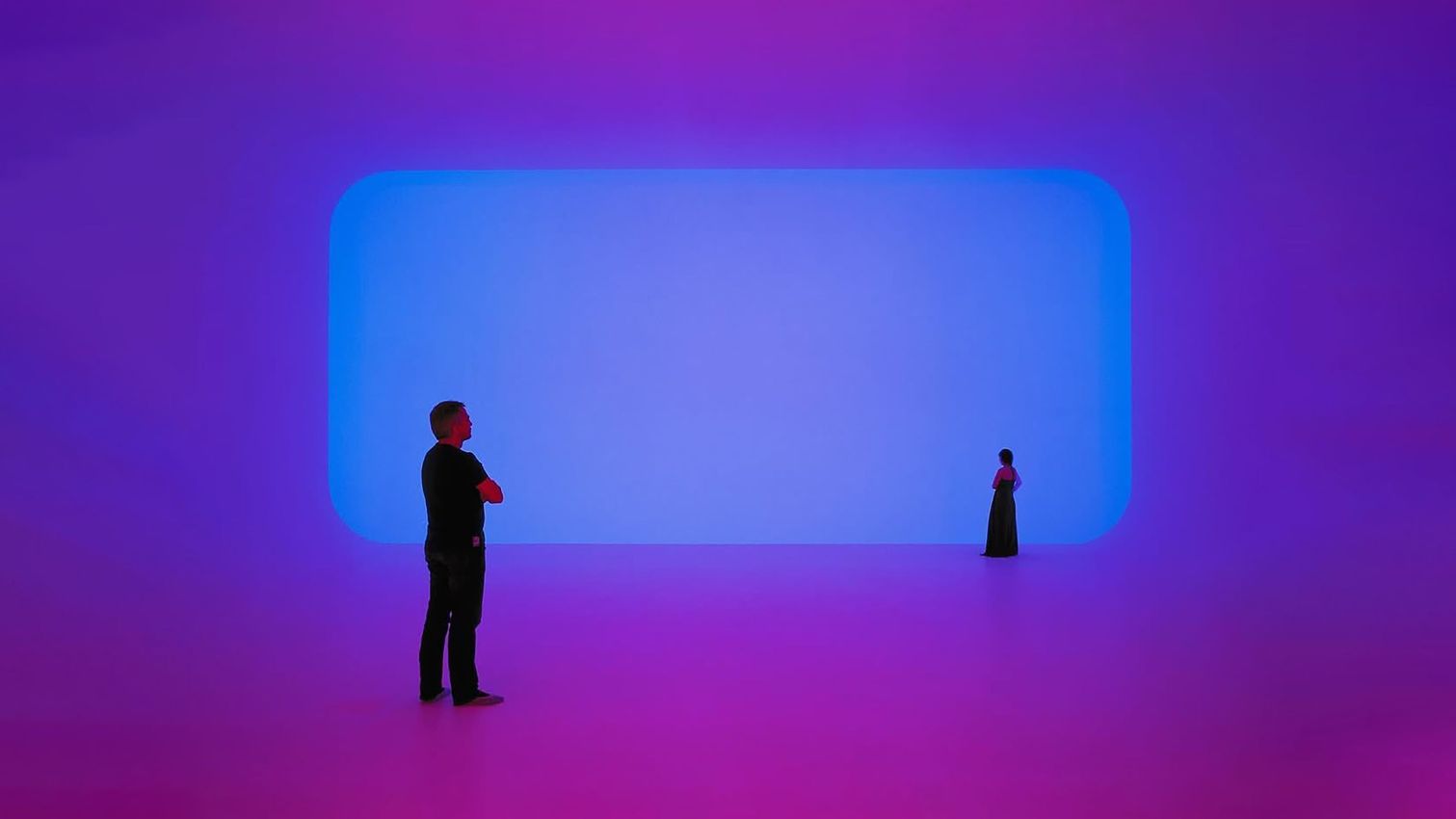
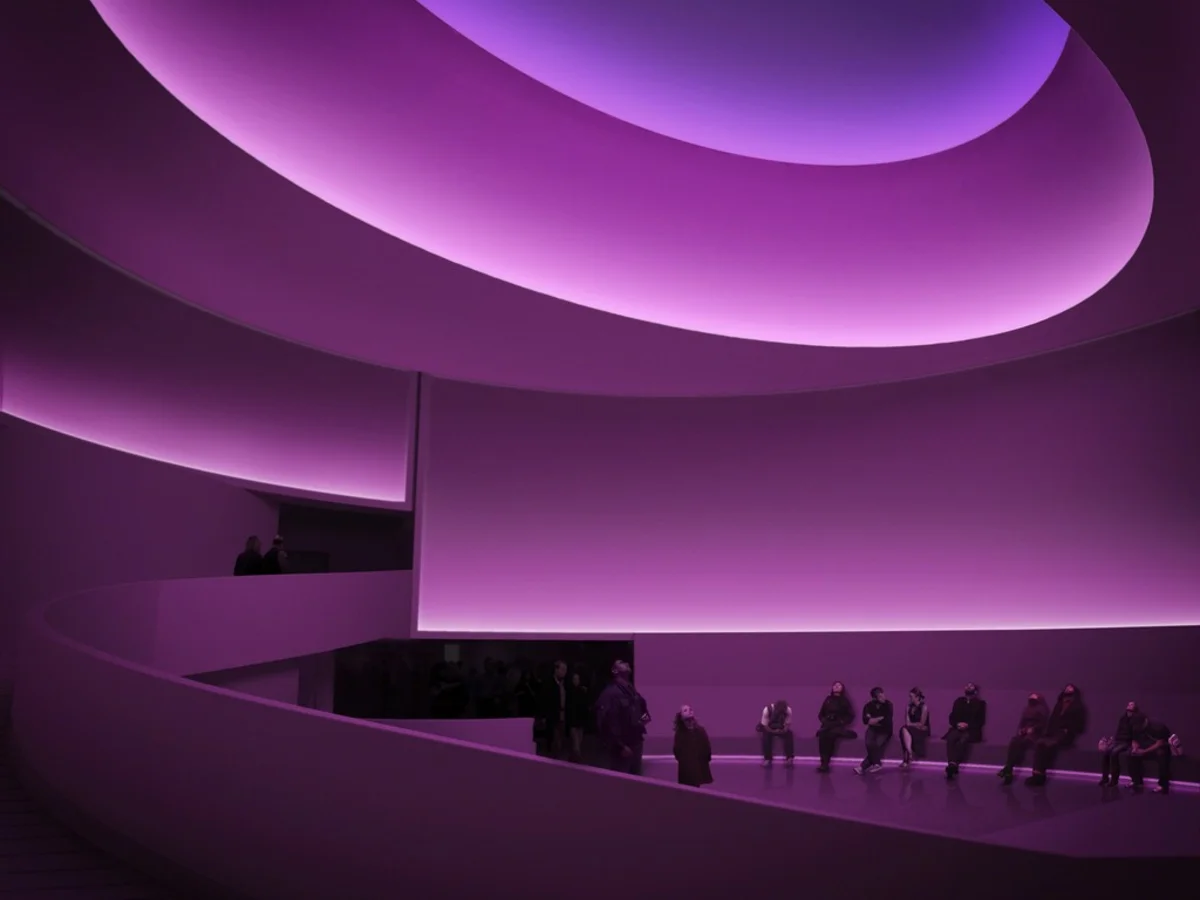
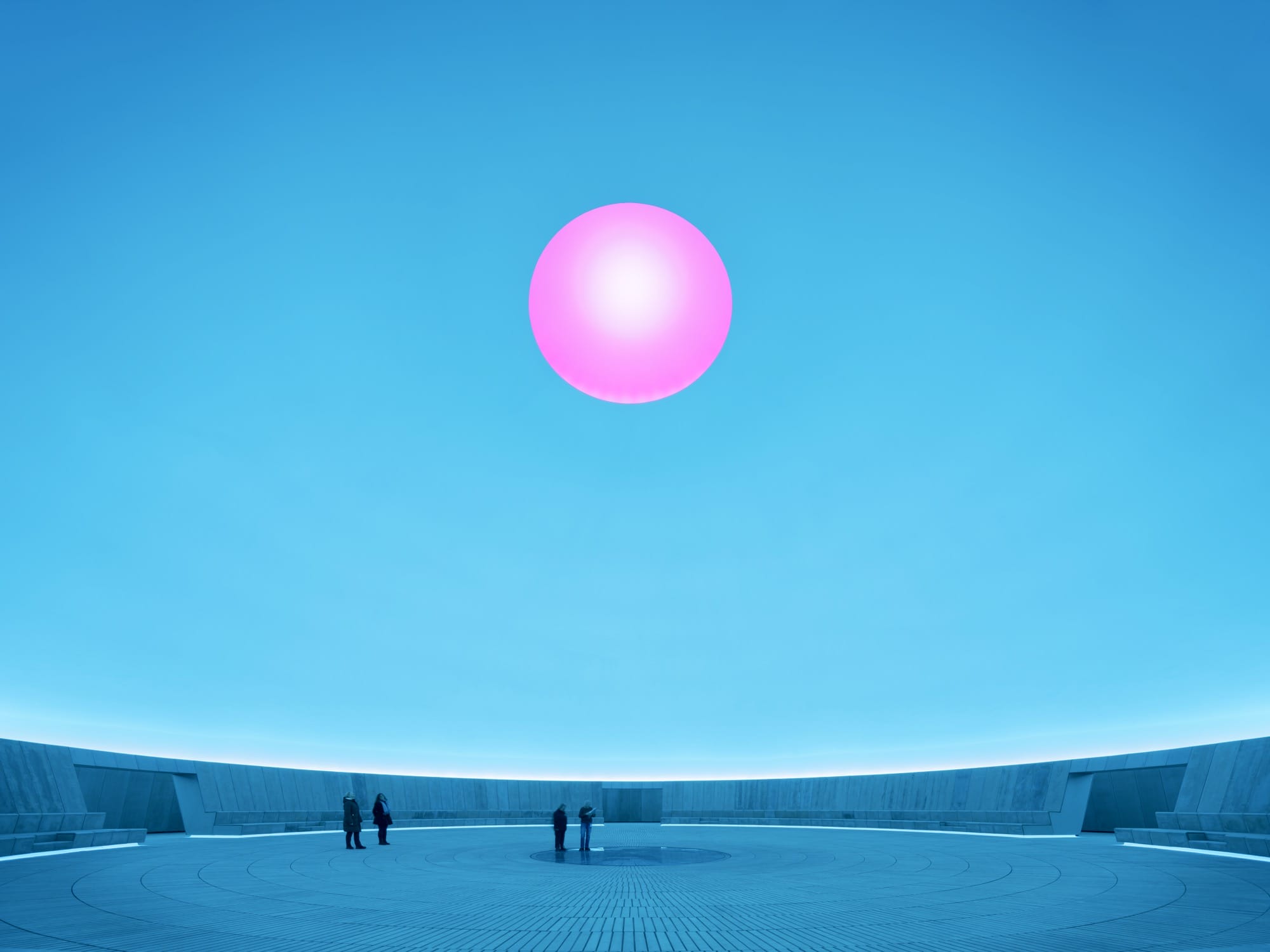
It is exactly this realization that has birthed a crucial direction in contemporary art: perceptual art and experiential installations. James Turrell is one of the most representative artists in this field. His works feature almost no "art objects" in the traditional sense; instead, he uses light itself as a medium to construct perceptual spaces that the physical body can enter. In his installations, audiences cannot maintain a distance as they would when viewing a painting—they are enveloped by light, guided by color gradients, and gradually lose their judgment of spatial boundaries, thereby entering a highly focused, almost meditative state of perception. Here, light is no longer a tool to illuminate the artwork; it becomes the entirety of the experience.
Olafur Eliasson expands this direction in a different way. His installations frequently utilize natural elements—water, fog, mirrors, rainbows—to create perceptual environments within the exhibition space that hover between reality and fiction. As viewers walk through them, they are not only looking but using their bodies to participate in an experiment about perception itself. Eliasson once said that the purpose of art is not to tell you something, but to make you aware of how you perceive. This statement is perhaps the core key to understanding the contemporary experiential exhibition.
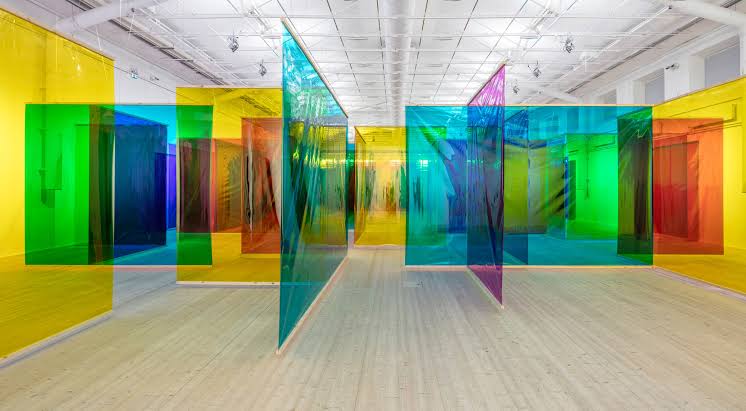
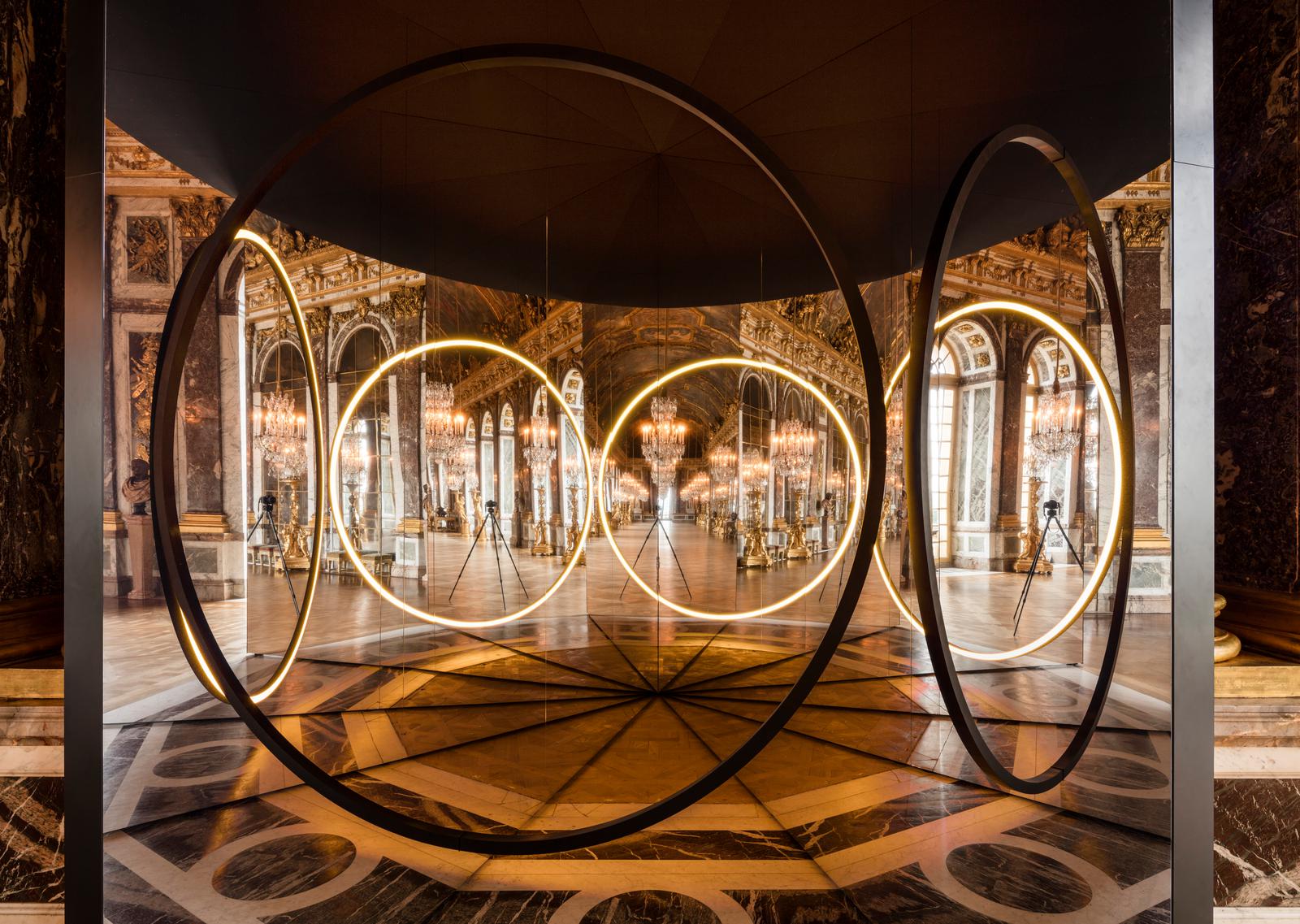
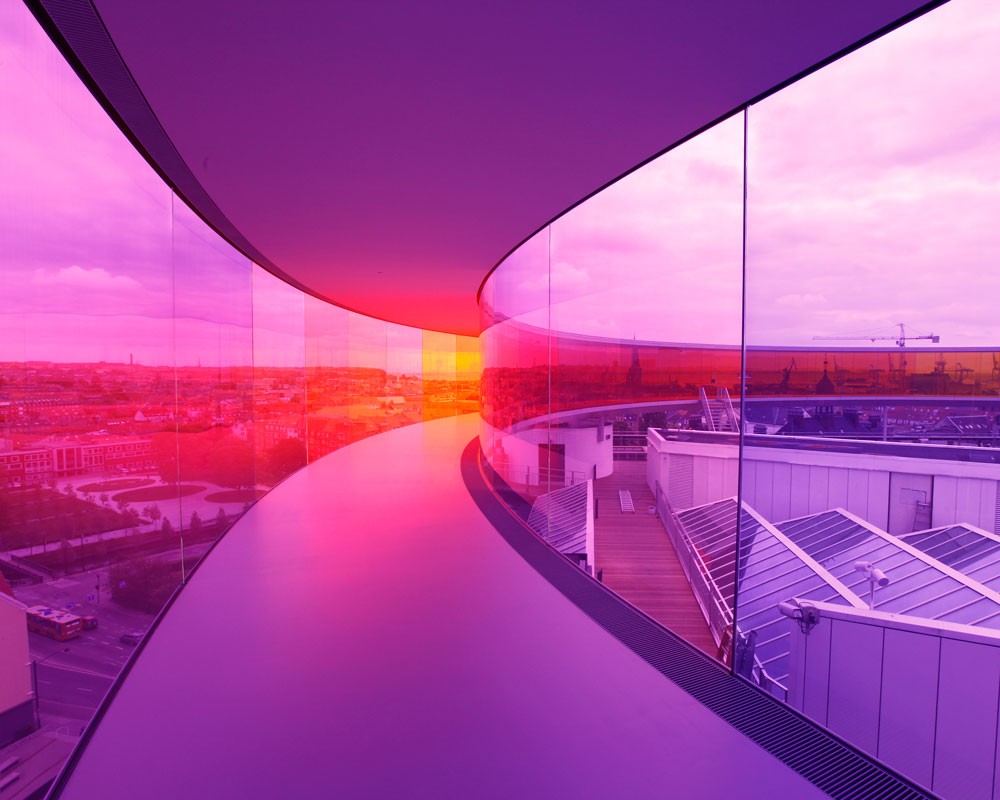
The practices of these two artists represent more than just personal styles; they signify a broader turn: art is no longer just meant to be "seen," but to be "experienced." When this shift occurs, the very nature of the exhibition space changes with it—it is no longer merely a container for artworks, but a field where experiences are generated.
The Exhibition as a Designed Experience Structure
If we accept that an exhibition is an experience, the ensuing question is: Can this experience be designed? And how should it be designed?
The answer is yes, but this "design" differs from industrial or visual design. It is much closer to choreography—a holistic orchestration of space, time, rhythm, and attention.
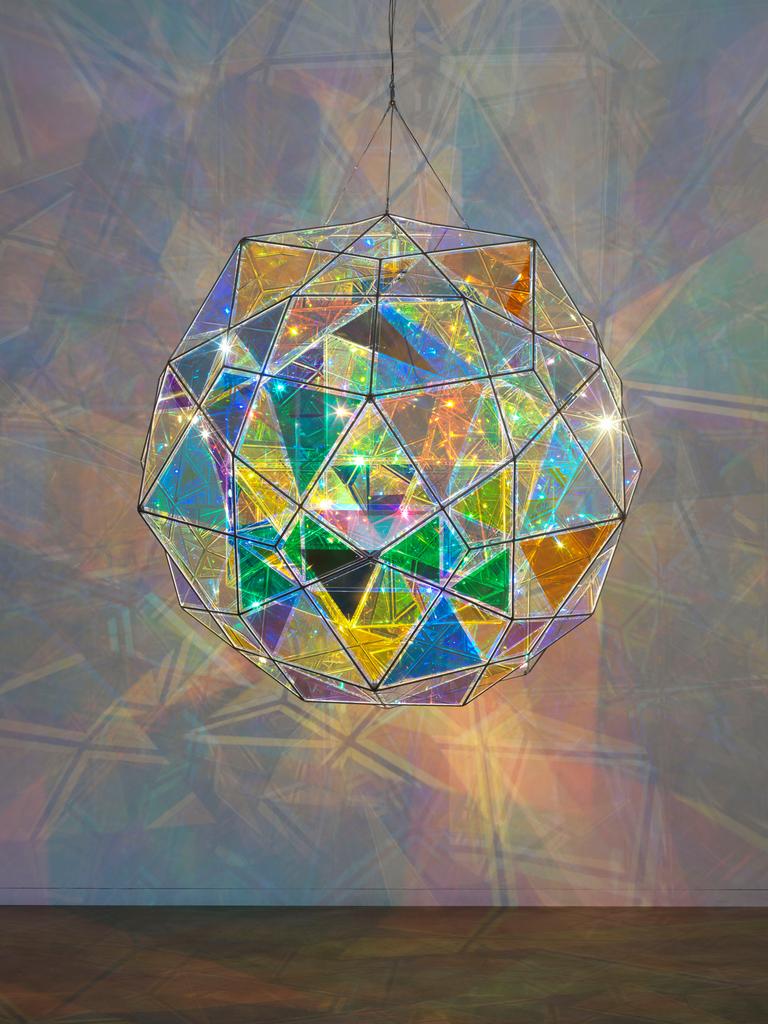
Specifically, a meticulously designed experiential exhibition must first consider how the audience enters the space. The entrance is not just a physical passageway; it is the starting point of the experience, determining the physical state and psychological expectations the audience brings into the exhibition. A cramped, dim entrance versus an open, bright one will induce vastly different states of perceptual readiness. Next is the spatial flow (circulation)—the path the audience walks determines the sequence in which they encounter the works, as well as whether meaningful dialogues and tensions can form between different pieces. A well-orchestrated path allows the audience to unknowingly complete a perceptual journey, transitioning from one emotional state to another, or setting out from one question to arrive at a deeper one.
Rhythm is an equally unignorable dimension in experience design. Not all works are suited to be presented with the same temporal density. Some works require pauses, silence, and demand that the audience slow down before them; others achieve their greatest impact in a state of fluidity. A curator must act like a musician, knowing when to push forward and when to hold back, and how to arrange the "downbeats" and "upbeats" within the exhibition's overall structure so that the audience's attention remains sustained but not fatigued, immersed but not lost.
Within this framework, space is no longer just a background; it becomes part of the narrative. Rhythm is no longer just the passage of time; it becomes the structure of the experience. The exhibition thus takes on a form akin to a "journey."
Repositioning the Curator's Role
This shift places entirely new demands on the role of the curator.
Traditionally, a curator's core job was research and interpretation: deeply understanding the artist's background, outlining the historical context of the work, and transmitting these meanings to the audience through exhibition texts and spatial arrangements. The underlying assumption of this working model is that meaning resides within the artwork, and the curator's task is to "unlock" and "translate" it for the public.
However, when an exhibition is understood as an experiential structure, the curator's focus expands beyond the mere interpretation of meaning to the construction of experience. The questions they must consider extend from "What does this artwork mean?" to "How will the audience encounter this artwork?"—and both questions are equally important.
This does not mean that academic research and textual interpretation are no longer important. On the contrary, profound academic grounding is the prerequisite for experience design; it enables the curator to judge which perceptual conditions will best activate an artwork's internal tension, and what spatial relationships can build meaningful dialogues between two pieces. But within this new framework, wall texts are no longer the main body of the exhibition. They are simply one of many experiential elements—they can provide cognitive anchors at appropriate nodes, but they shouldn't be the audience's only point of entry into the work.
A deeper transformation is that curators are now participating in shaping the "conditions of viewing." By modulating lighting, sound, temperature, textures, and even smells, they create a specific perceptual readiness for the audience; by choreographing spatial rhythm, they guide the audience's attention to flow and shift between works. In this process, the curator's job increasingly resembles holistic experience design, rather than just the organization and labeling of art.
Audience Subjectivity: A New Viewing Relationship
Ultimately, this shift points toward the re-establishment of audience subjectivity.
In the traditional exhibition model, the audience's role was relatively passive. They were guided along a predetermined path, receiving a system of meaning co-constructed by the curator and the artist. The audience's feelings existed, of course, but were largely viewed as a byproduct rather than the core objective of the exhibition.
Yet, when an exhibition is designed as an experience, the audience is no longer just a receiver of meaning, but an active participant in the experience. Their bodies, attention, and perception become necessary conditions for the exhibition to be completed. In this sense, the exhibition is no longer a fixed text, but a dynamic structure regenerated with every viewing. Each visitor brings their own physical state and perceptual history into the space, activating a slightly different version of the experience. Meaning is no longer solely provided by curatorial texts; it is continuously generated through the audience's perceptual participation.
More importantly, in such exhibitions, audiences are not only viewing art but also becoming aware of how they are viewing. The act of viewing itself becomes part of the experience, even a link in the exhibition's structure. This awakening on a metacognitive level is perhaps the most profound value of experiential exhibitions—it doesn't just allow audiences to feel an artwork; it prompts them to reflect on their own modes of perception.
The Exhibition as an Ongoing Process
From display to experience, from transmitting meaning to constructing perception, exhibitions are undergoing a profound paradigm shift. This shift is not a negation of traditional exhibition practices, but an expansion and deepening of them. It transforms the exhibition from a relatively static format of display into a continuously generative field; it evolves the curator from an interpreter of meaning into an architect of experience; and it shifts the audience from passive receivers to co-creators of the experience.
In this field, an open relational structure forms among the artworks, the space, and the audience. The exhibition is no longer an object to be viewed, but an ongoing process. It is perhaps within this fluidity and generativity that the exhibition, as a cultural practice, has found new possibilities that truly belong to our era.
About the Author: Maggie Yang is an independent curator based in New York, focusing on perception, memory, and experiential exhibition design. Her research and practice center on how art spaces influence the relationship between audiences and artworks, and the ways in which viewing experiences are generated.
Executive Editor: Hu Wenjiao
Source: Artron
















Further reading
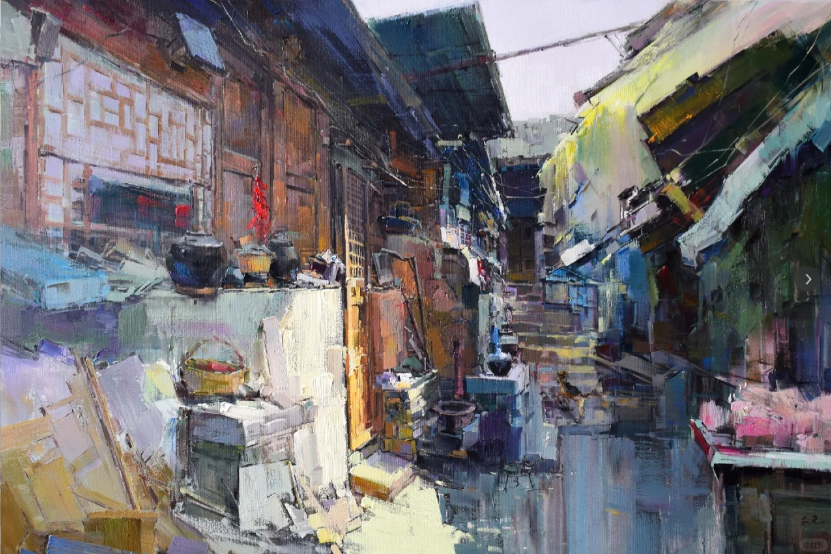
Artist of the Day | Zhao Yanliang
Zhao Yanliang was born in 1986 in Langfang, Hebei Province. He graduated from the Hebei Vocational Art College, pursued advanced studies at the Tianjin Academy of Fine Arts, and graduated from the Advanced Research Class of the Bai Yuping Studio at the Beijing Fine Art Academy in 2020.
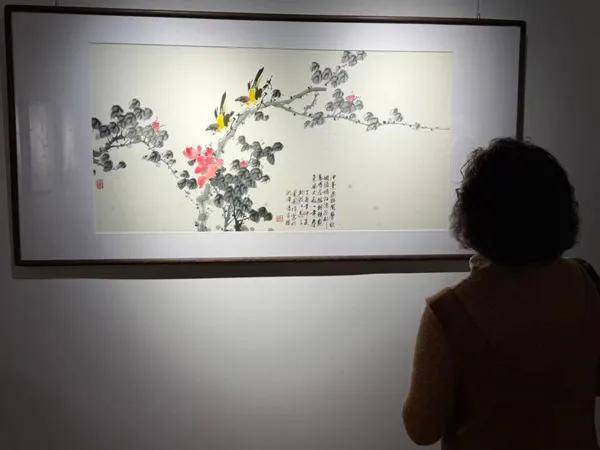
61 Works Showcase an Artistic Quest: "Endless Faint Fragrance – Zeng Jingxiang's Freehand Flower-and-Bird Painting Exhibition" Opens in Xiangtan
The exhibition features 61 of Zeng's freehand flower-and-bird works. It runs until November 21 and is open to the public free of charge.
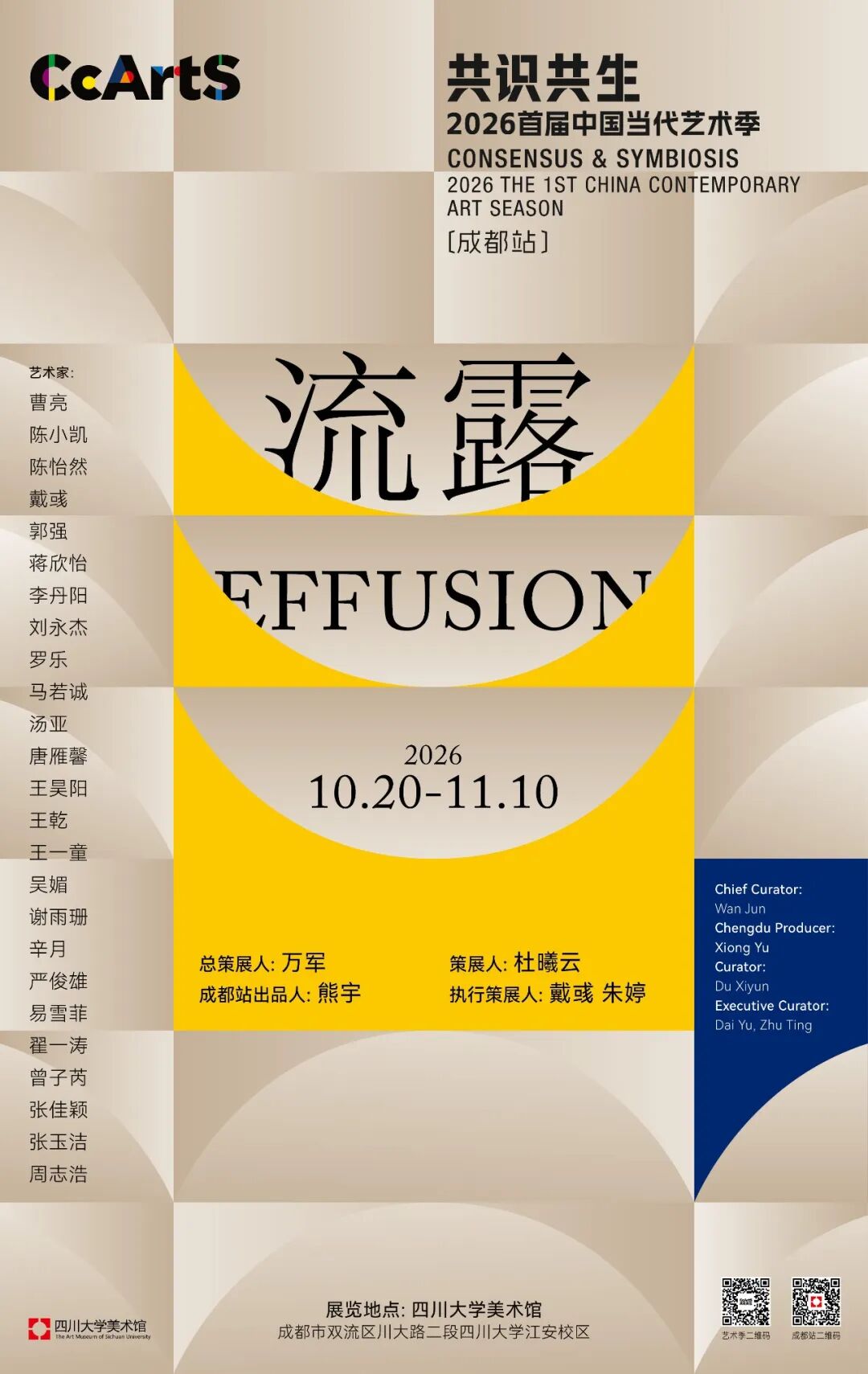
EFFUSION | Consensus and Symbiosis — The 1st Chinese Contemporary Art Season 2026 • Chengdu Station
We are living in an era of highly surplus visual information. Images are produced, disseminated, and reproduced at an unprecedented speed, and artificial intelligence has made image generation even easier. While the tools of expression are multiplying, discovering a truly personal artistic language does not necessarily become any easier.