2026 Art Shanghai: New Faces of Chinese Galleries and Collecting Trends
As a major platform for contemporary art trading in China, the 2026 Art Shanghai presents a brand-new look.
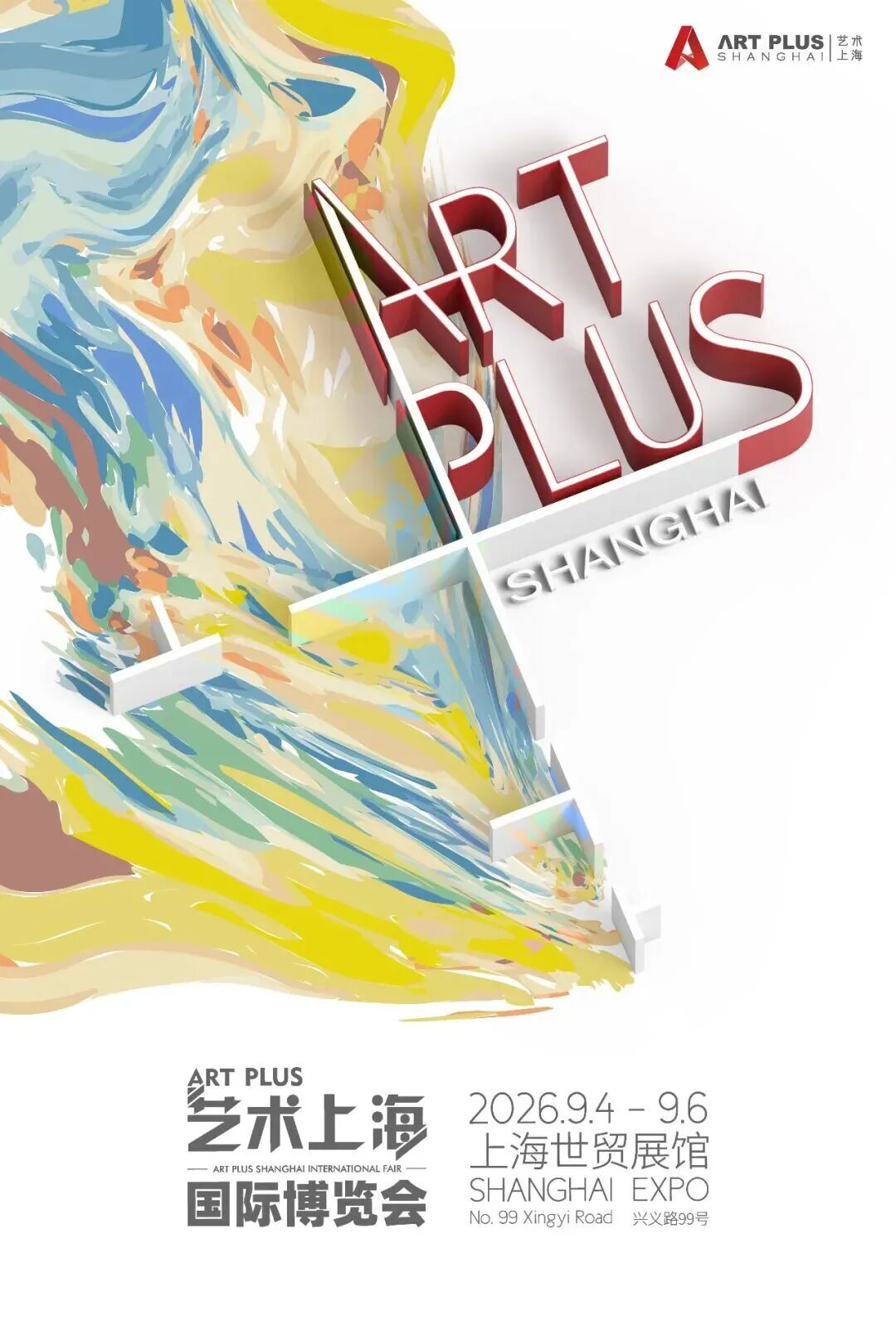
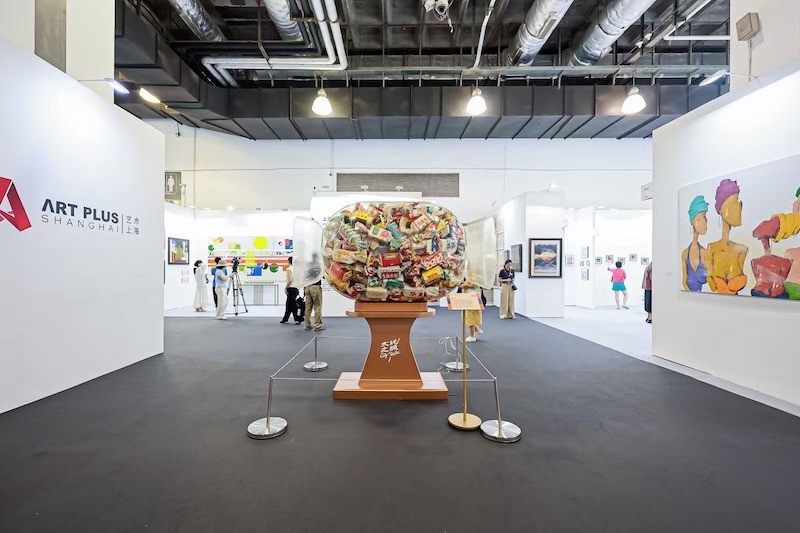
As a major platform for contemporary art trading in China, the 2026 Art Shanghai presents a brand-new look. At the Shanghai Mart, over 100 exhibiting institutions and independent artists from 16 countries and more than 40 cities globally gathered to present a diverse art feast for collectors and audiences, reflecting the vitality of the Chinese art ecosystem.
New Faces of Chinese Galleries
The most striking change is the active presence of Chinese galleries. An increasing number of galleries deeply rooted in China's art ecosystem made their appearance with carefully selected works, showcasing the diverse landscape of Chinese contemporary art. Nearly 20 brand-new exhibitors, including Fei Cui Gallery, Kakadu Art Space, Qianfan Jingxiang, and Huidian Art Space, made their debut, bringing classic contemporary paintings, mixed media, and experimental creations by the new generation.Works by young artists have also gained more attention. The fair specially curated two major thematic exhibitions: "Looking East - Joint Exhibition of Young and Middle-aged Artists from Zhejiang" and "Youth Launch - Youth Art Promotion Zone." These exhibitions gathered 30 young creators, propelling original works by the youth into the mass consumption market. The concentrated appearance of these young faces became one of the most distinct highlights of this year's art fair.
A Younger Generation of Collectors
Looking at collecting trends, audiences are no longer solely focused on the works of renowned artists; attention toward emerging artists has significantly increased. The fair's operators noted a large number of young faces in their twenties on-site this year, showing a clear downward shift in the audience's age demographic. The prices of top-selling artworks were mostly under 30,000 RMB, indicating that the threshold for art consumption is genuinely lowering.This change is driving the healthy development of the Chinese art ecosystem. Art consumption is transforming from a niche collecting behavior of a few collectors into a cultural lifestyle accessible to the general public. Riding this trend, the fair also launched a large volume of art merchandise, hoping to leverage a broader mass consumer market and let art truly enter ordinary households.
New Explorations in Technology and Crossovers
This year's art fair also introduced the "AI & Art Symbiosis" section, partnering with technology brands to explore brand-new forms such as human-machine collaborative creation and digital art innovation, making artificial intelligence a new productive force in art creation. Beyond exhibitions and trading, seven public industry forums engaged in in-depth dialogues centering on the current status, trends, and opportunities of the art ecosystem.At a time when the artwork market as a whole is returning to rationality, Art Shanghai takes "art consumption" as its core proposition, forging a differentiated path and showing us more possibilities for art to reach the general public.
This transformation of Art Shanghai reflects the profound changes taking place across the entire industry: art is no longer high and mighty, but is becoming increasingly close to the lives of ordinary people. This trend of "accessibility" is perhaps the inevitable path for the Chinese art market to mature and embrace the masses.
Source: SEEEEART
Images: Internet



Further reading
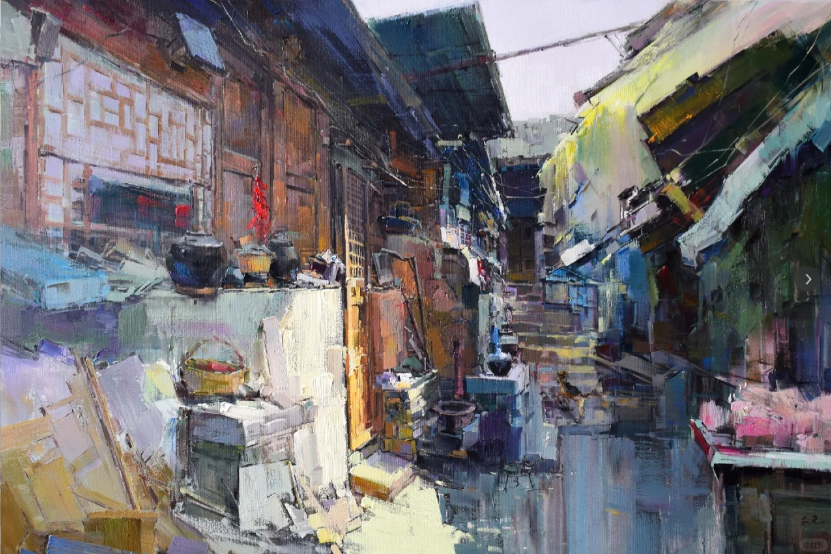
Artist of the Day | Zhao Yanliang
Zhao Yanliang was born in 1986 in Langfang, Hebei Province. He graduated from the Hebei Vocational Art College, pursued advanced studies at the Tianjin Academy of Fine Arts, and graduated from the Advanced Research Class of the Bai Yuping Studio at the Beijing Fine Art Academy in 2020.
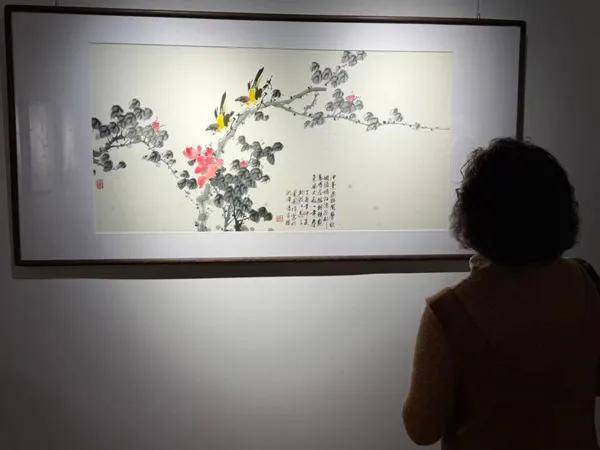
61 Works Showcase an Artistic Quest: "Endless Faint Fragrance – Zeng Jingxiang's Freehand Flower-and-Bird Painting Exhibition" Opens in Xiangtan
The exhibition features 61 of Zeng's freehand flower-and-bird works. It runs until November 21 and is open to the public free of charge.
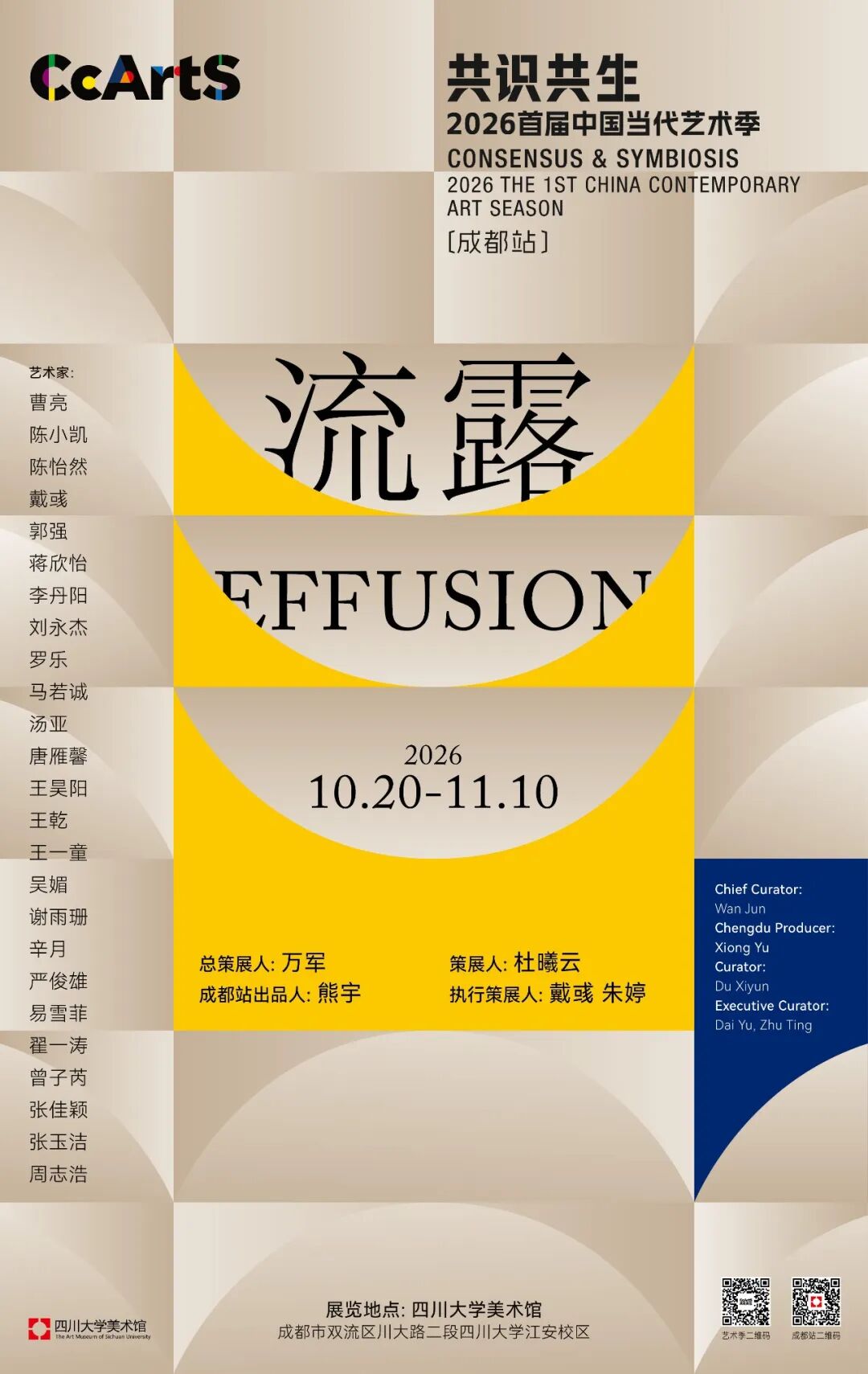
EFFUSION | Consensus and Symbiosis — The 1st Chinese Contemporary Art Season 2026 • Chengdu Station
We are living in an era of highly surplus visual information. Images are produced, disseminated, and reproduced at an unprecedented speed, and artificial intelligence has made image generation even easier. While the tools of expression are multiplying, discovering a truly personal artistic language does not necessarily become any easier.