
Decoding Art Movements | Hyperrealism
"My main objective is to translate photographic information into painted information."
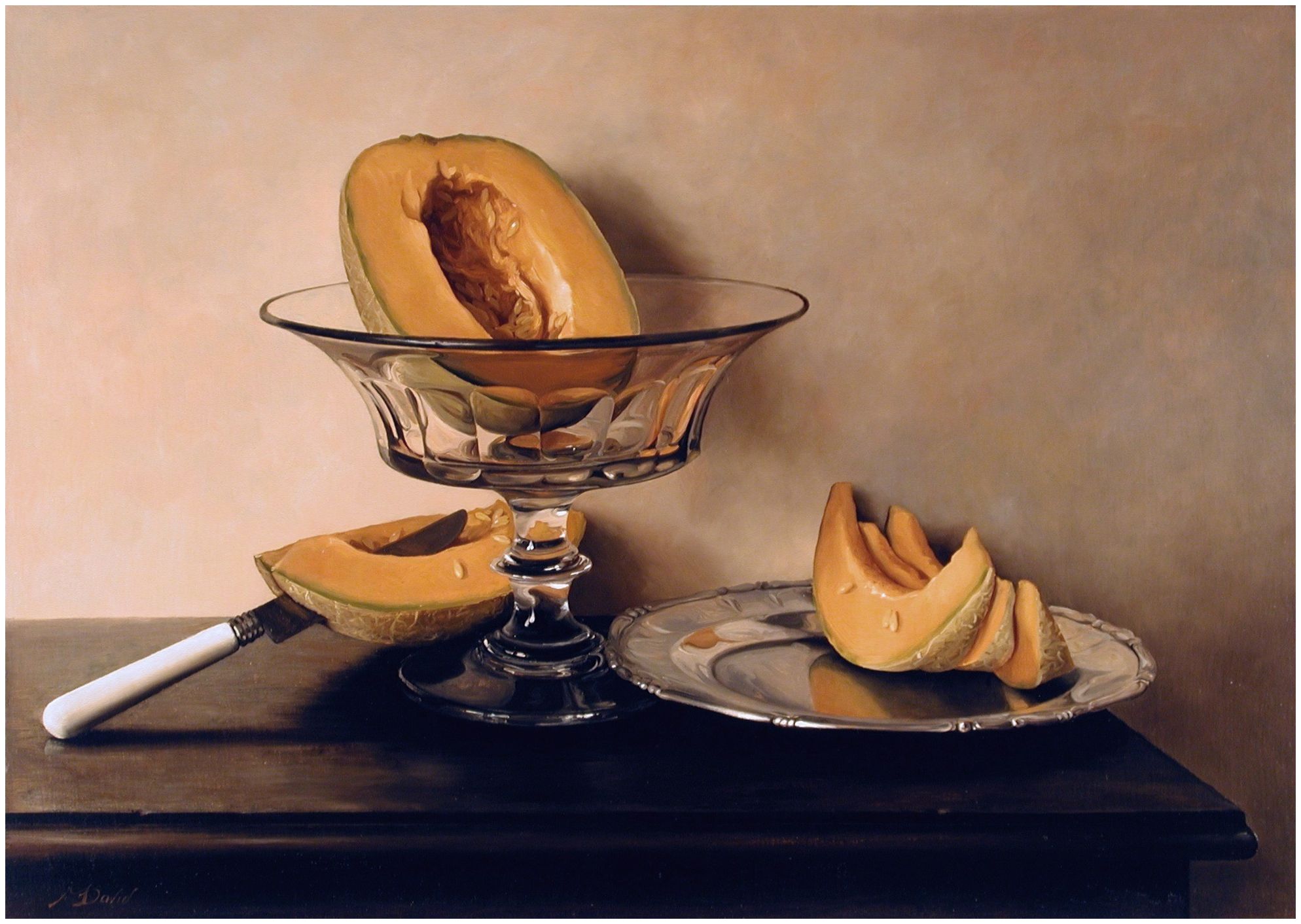
"Simulation of something that never really existed."
I. Overview
Hyperrealism is a genre of painting and sculpture resembling high-resolution photography. Since the 1970s, it has developed into an independent art movement across the United States and Europe. Emerging on the periphery of Pop Art, it stands in opposition to Abstract Expressionism and Minimalism.
Unlike Surrealism, which stems from the subconscious with "eyes closed", Hyperrealism is an acute depiction of external reality as observed with "eyes wide open." Hyperrealist artists recreate photographic imagery with unmatched precision without merely copying it: they often combine multiple reference photos, extracting a holistic aesthetic to craft entirely original scenes. As American master Chuck Close famously put it: "My main objective is to translate photographic information into painted information."
II. Historical Development
In 1973: Belgian art dealer Isy Brachot coined the French term "Hyperréalisme" as the title for a major exhibition at his gallery in Brussels. The show featured prominent American realist artists, including Ralph Goings, Chuck Close, Don Eddy, and Robert Bechtle, alongside influential European artists. Since then, the term has been widely used to describe painters influenced by Photorealism.
Early 21st Century: Modern Hyperrealism was formally established upon the aesthetic foundation of Photorealism. American painter Denis Peterson pioneered the distinct use of the term "Hyperrealism" to define a breakthrough movement separate from Photorealism.
The Digital Era: Contemporary Hyperrealism has expanded significantly. Compared to traditional brushwork, digital rendering and image processing offer unprecedented power, flexibility, and repeatability—minimizing technical risks while maximizing creative control. Consequently, hyperrealistic visual aesthetics are widely leveraged in advertising, fine art, sculpture, and public media.
III. Key Characteristics
01. Unrivaled Realism & Authenticity
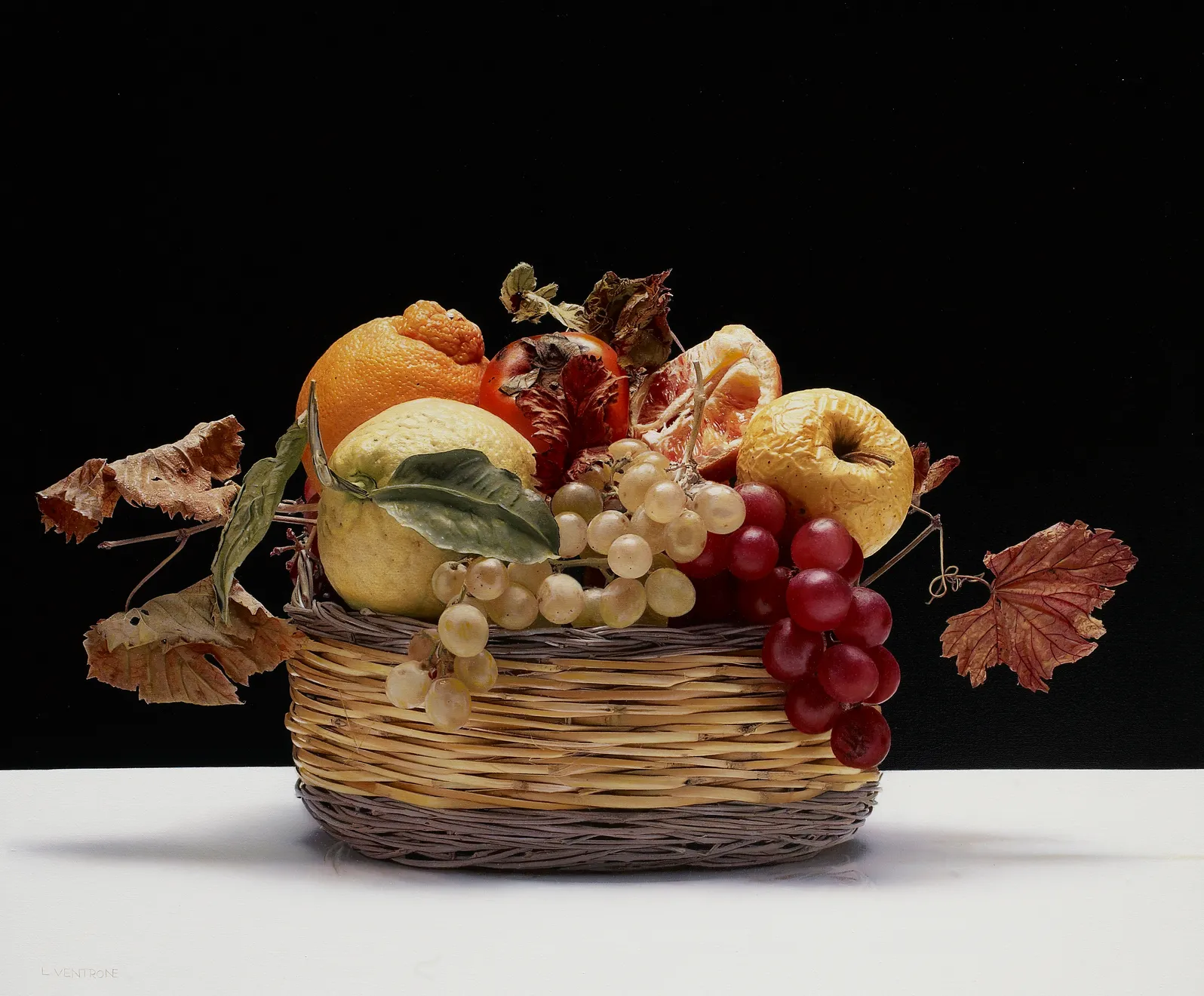
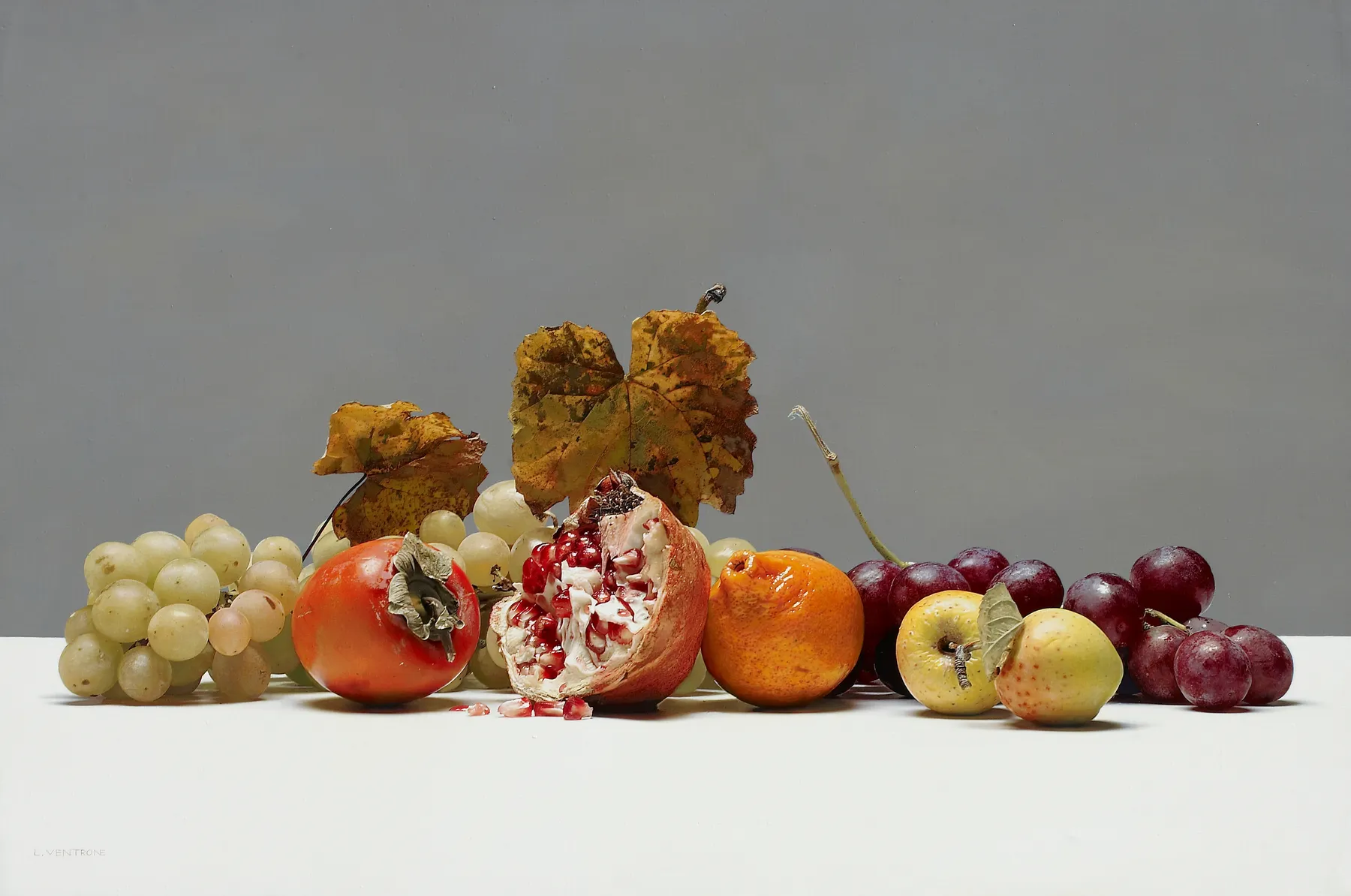
Visually, the most distinct feature of hyperrealistic imagery is its uncanny verisimilitude. Even when utilizing digital photos as source material, the post-processed artwork becomes a new, far more refined piece. Whether in painting, sculpture, or 3D digital art, the emphasis lies strictly on microscopic detail and objective rendering. Even when incorporating fictional elements, the artwork strictly obeys real-world physics and lighting, resulting in an emotion-detached, awe-inspiring, and stark visual presence.
02. Focus on Everyday Reality & Human Conditions
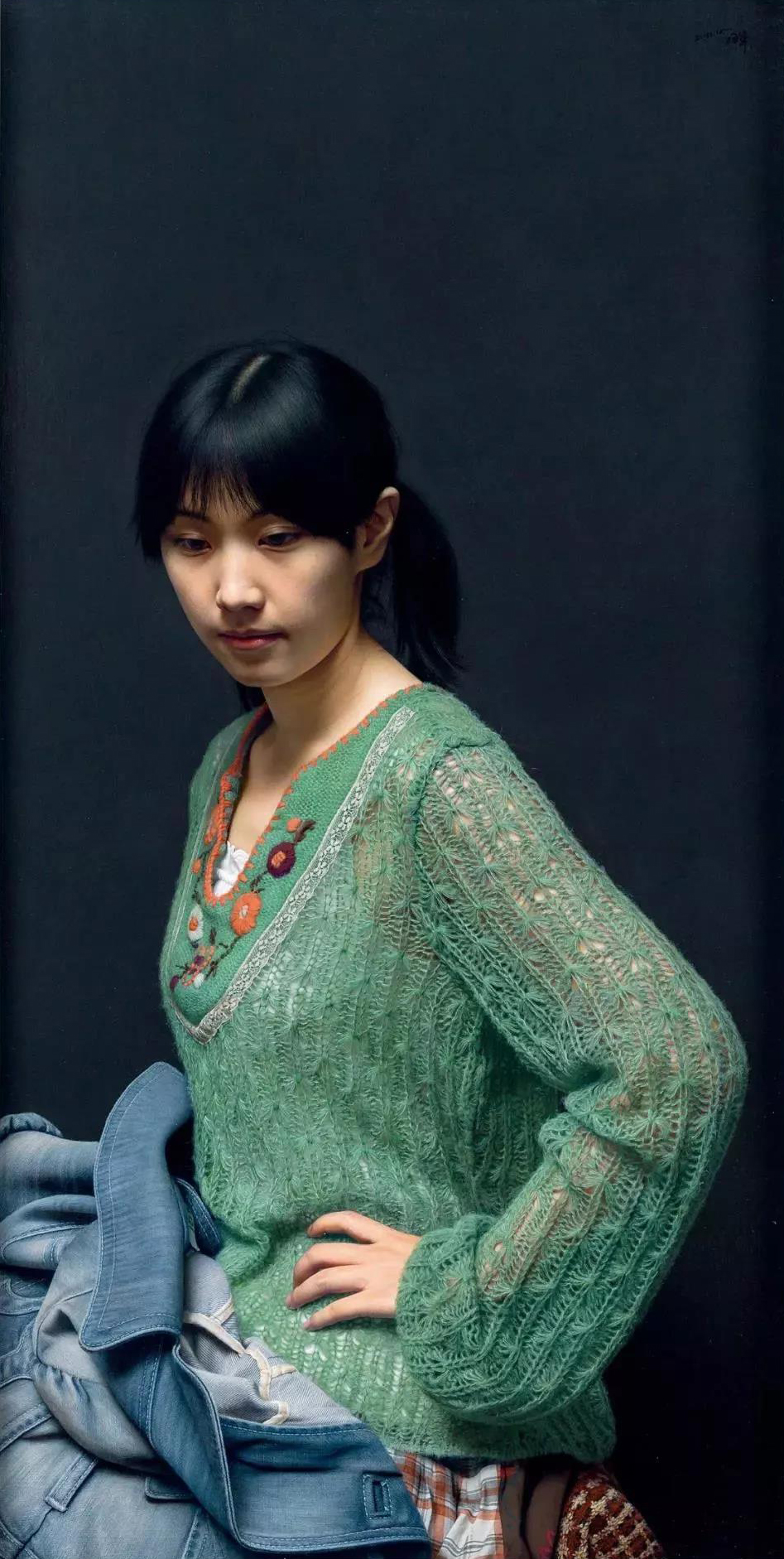
Hyperrealism prioritizes the connection between humanity and the physical world—documenting everyday life and social conditions rather than exploring abstract, complex psychology (a fundamental departure from Surrealism). Many hyperrealist artists also engage in socio-political narratives, exposing the cruelty of totalitarian regimes and warfare. For instance, Denis Peterson focuses his narrative works on diaspora, genocide, and refugee crises.
03. High Precision and High Production Cost
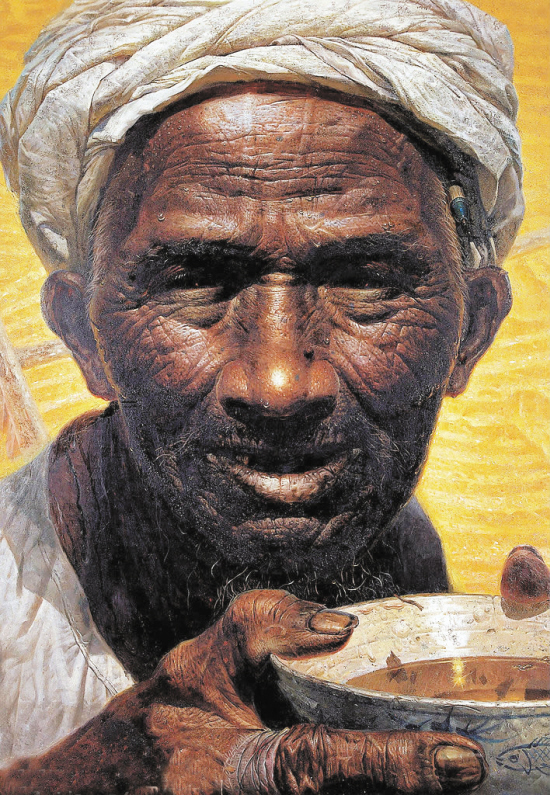
High fidelity and ultra-high resolution define Hyperrealism. In traditional painting, artists deploy massive canvases, complex brushwork, and substantial amounts of pigment to push texture rendering to its absolute limits. In CGI and commercial advertising, achieving such uncompromising fidelity requires significant computational power, time, and budget—delivering an unforgettable, high-impact visual spectacle.
IV. Notable Applications
01. Fine Art
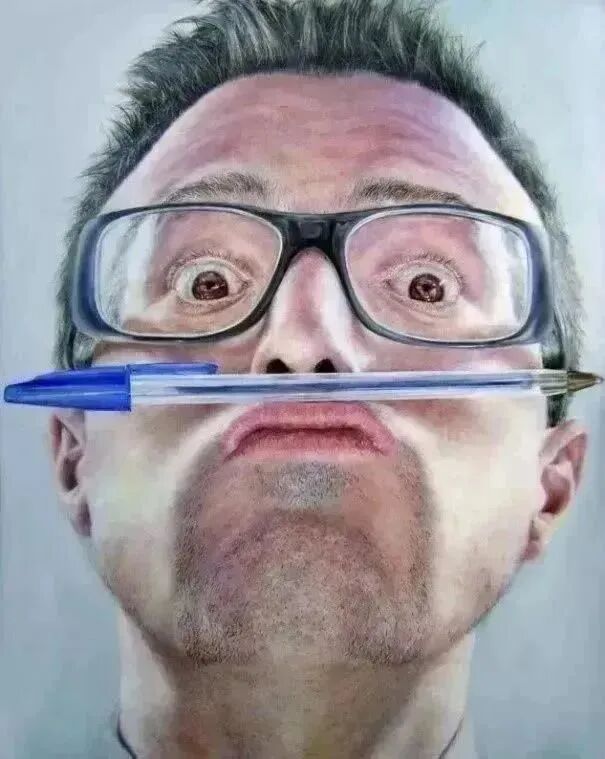
Spanish artist Juan Francisco Casas gained international acclaim for creating gigantic, astonishingly lifelike hyperrealistic artworks using nothing more than a standard ballpoint pen. His drawings resemble high-definition black-and-white photographs, delivering a dramatic visual impact.
02. Wax Sculptures
Originating in the 19th century under Marie Grosholtz (Madame Tussauds), hyperrealistic wax modeling has become a global phenomenon. In memorial museums (such as the 1911 Revolution Museum in China), hyperrealistic wax figures are extensively used to bring historical moments and figures to life.

03. Public Service Advertising (PSAs)
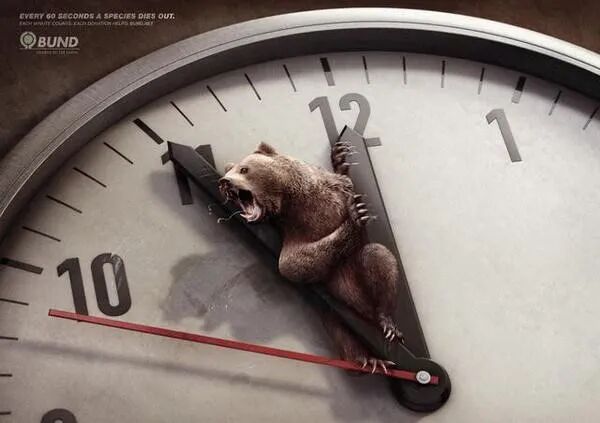
Hyperrealistic techniques excel in public awareness campaigns. Organizations like the WWF (World Wide Fund for Nature) frequently deploy hyperrealistic key visuals to create compelling, thought-provoking posters highlighting wildlife and ecological crises.
04. Commercial Advertising
In marketing, Hyperrealism accentuates microscopic product details and produces subtle optical illusions. A classic example is the Keloptic eyewear campaign, which humorously demonstrated how their lenses could turn blurry "Impressionist" masterworks (e.g., Van Gogh's self-portraits) into crystal-clear "Hyperrealism."
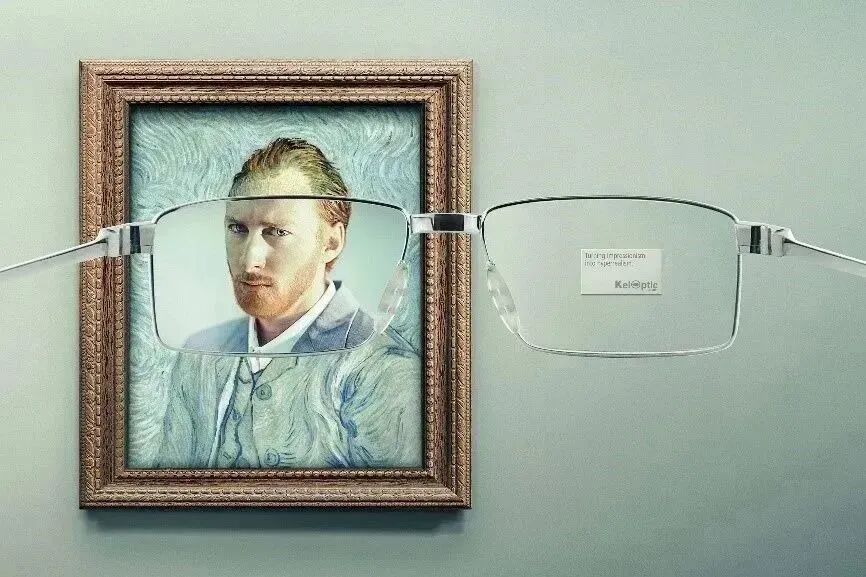
Keloptic glasses advertising
Source: 中南大文创君
Images: Internet
















Further reading
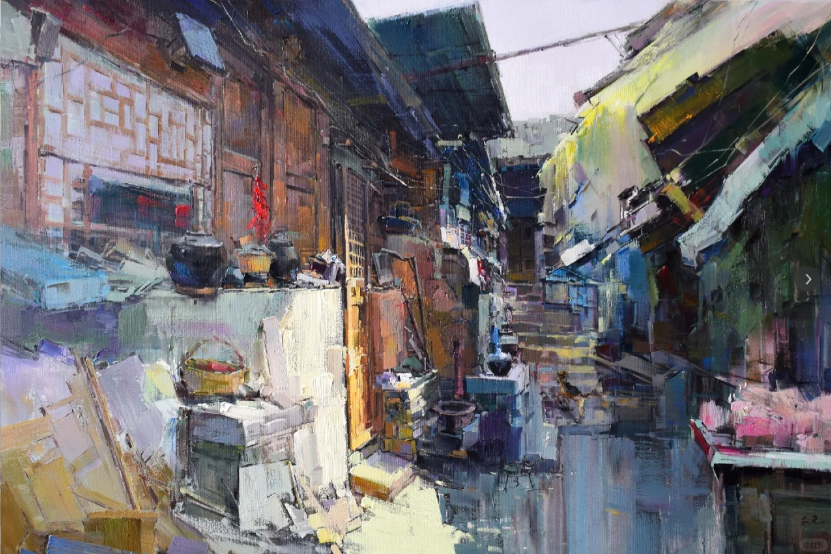
Artist of the Day | Zhao Yanliang
Zhao Yanliang was born in 1986 in Langfang, Hebei Province. He graduated from the Hebei Vocational Art College, pursued advanced studies at the Tianjin Academy of Fine Arts, and graduated from the Advanced Research Class of the Bai Yuping Studio at the Beijing Fine Art Academy in 2020.
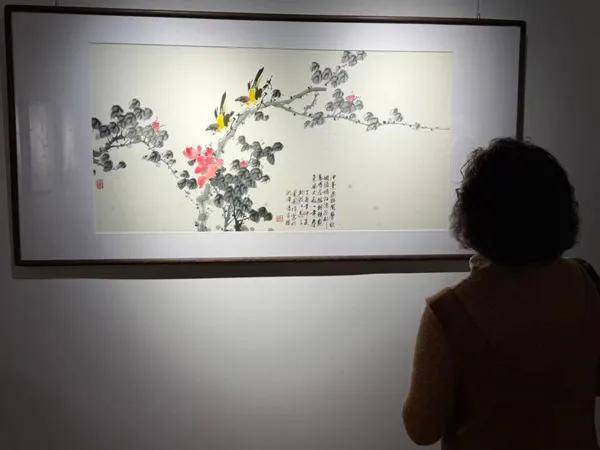
61 Works Showcase an Artistic Quest: "Endless Faint Fragrance – Zeng Jingxiang's Freehand Flower-and-Bird Painting Exhibition" Opens in Xiangtan
The exhibition features 61 of Zeng's freehand flower-and-bird works. It runs until November 21 and is open to the public free of charge.
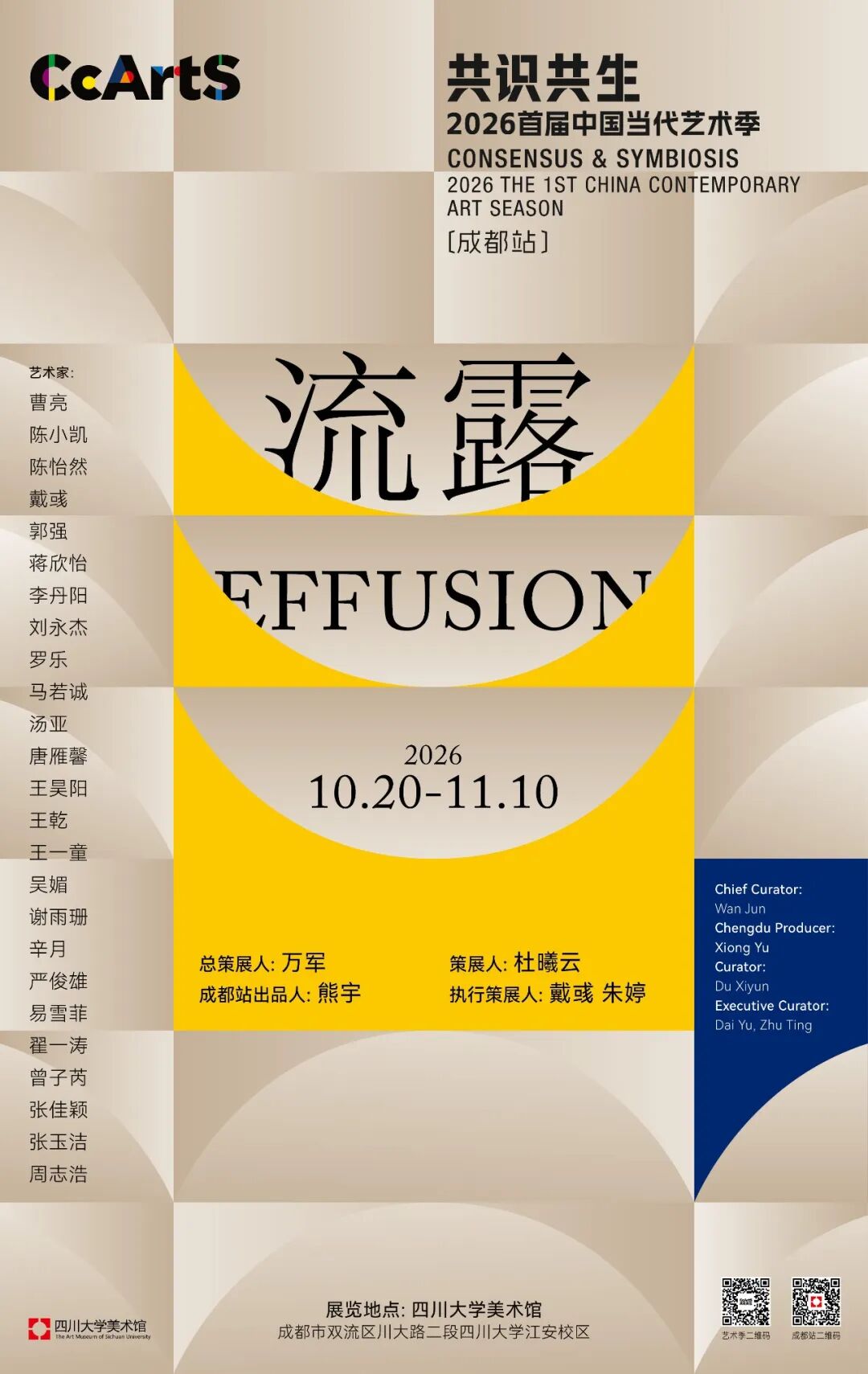
EFFUSION | Consensus and Symbiosis — The 1st Chinese Contemporary Art Season 2026 • Chengdu Station
We are living in an era of highly surplus visual information. Images are produced, disseminated, and reproduced at an unprecedented speed, and artificial intelligence has made image generation even easier. While the tools of expression are multiplying, discovering a truly personal artistic language does not necessarily become any easier.