Artist of the Day | Zhang Xiaogang
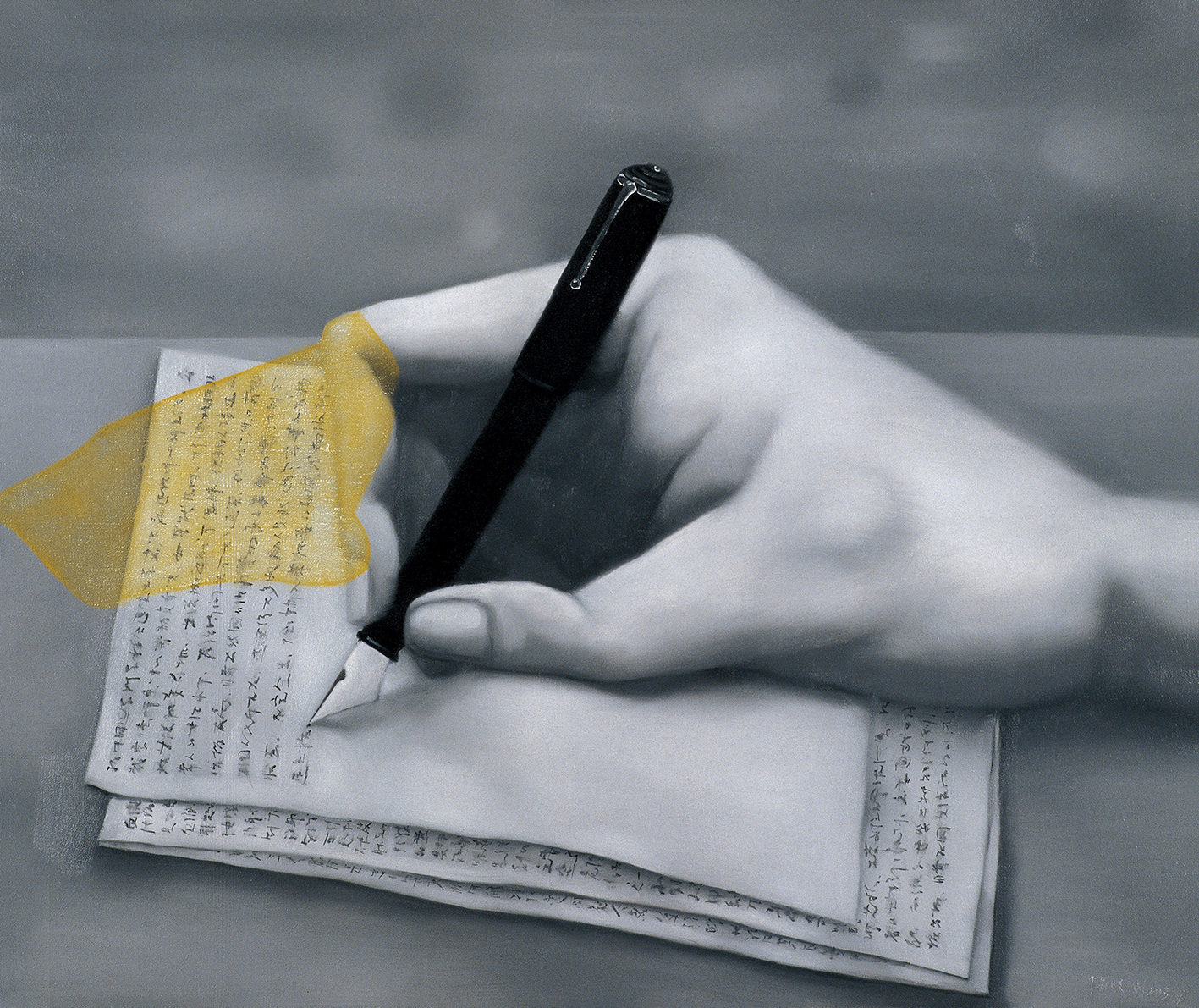
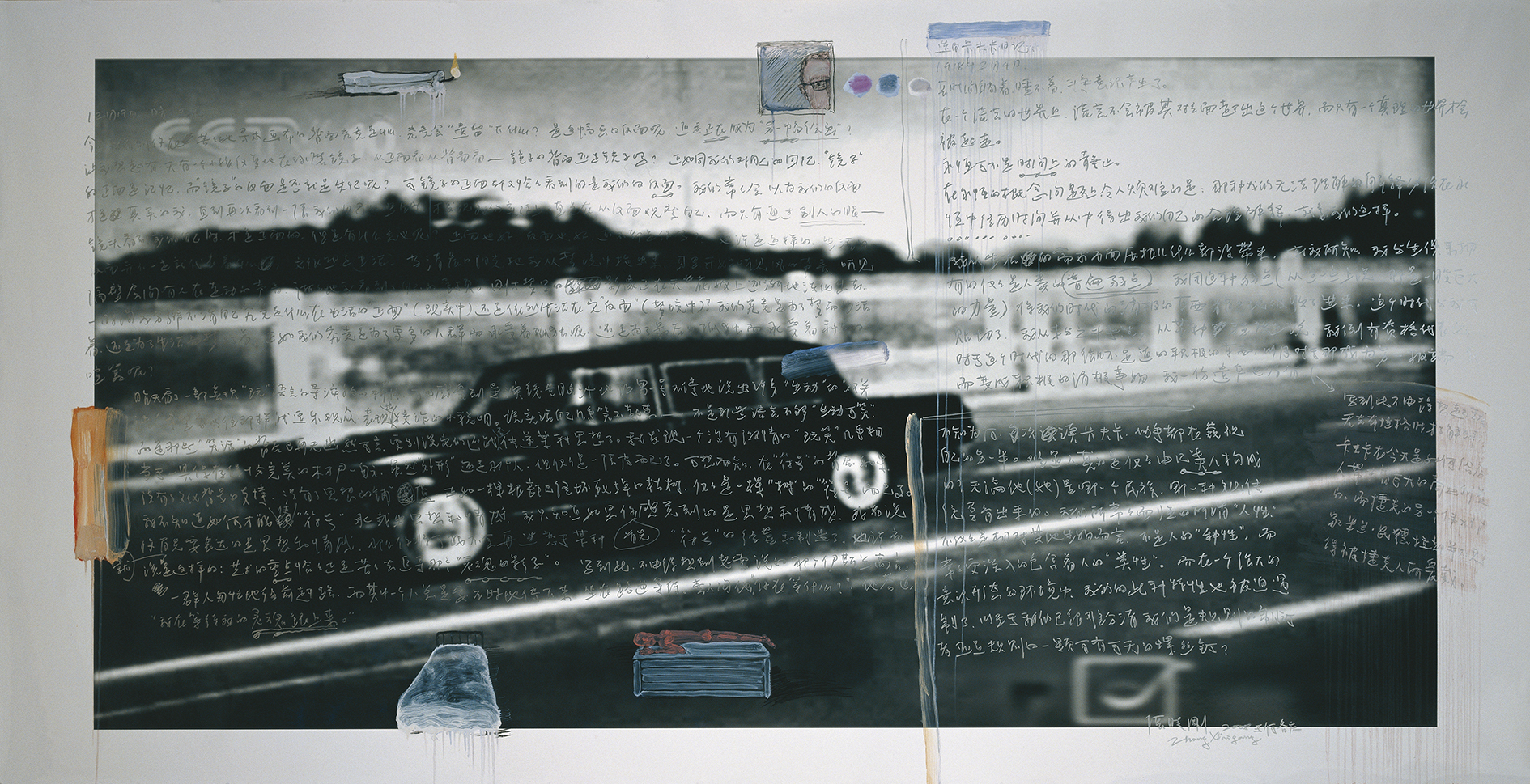
Zhang is regarded as the artistic spokesperson for China's social transition following the Reform and Opening-up. His works are widely interpreted as the spiritual portraits of an entire generation.
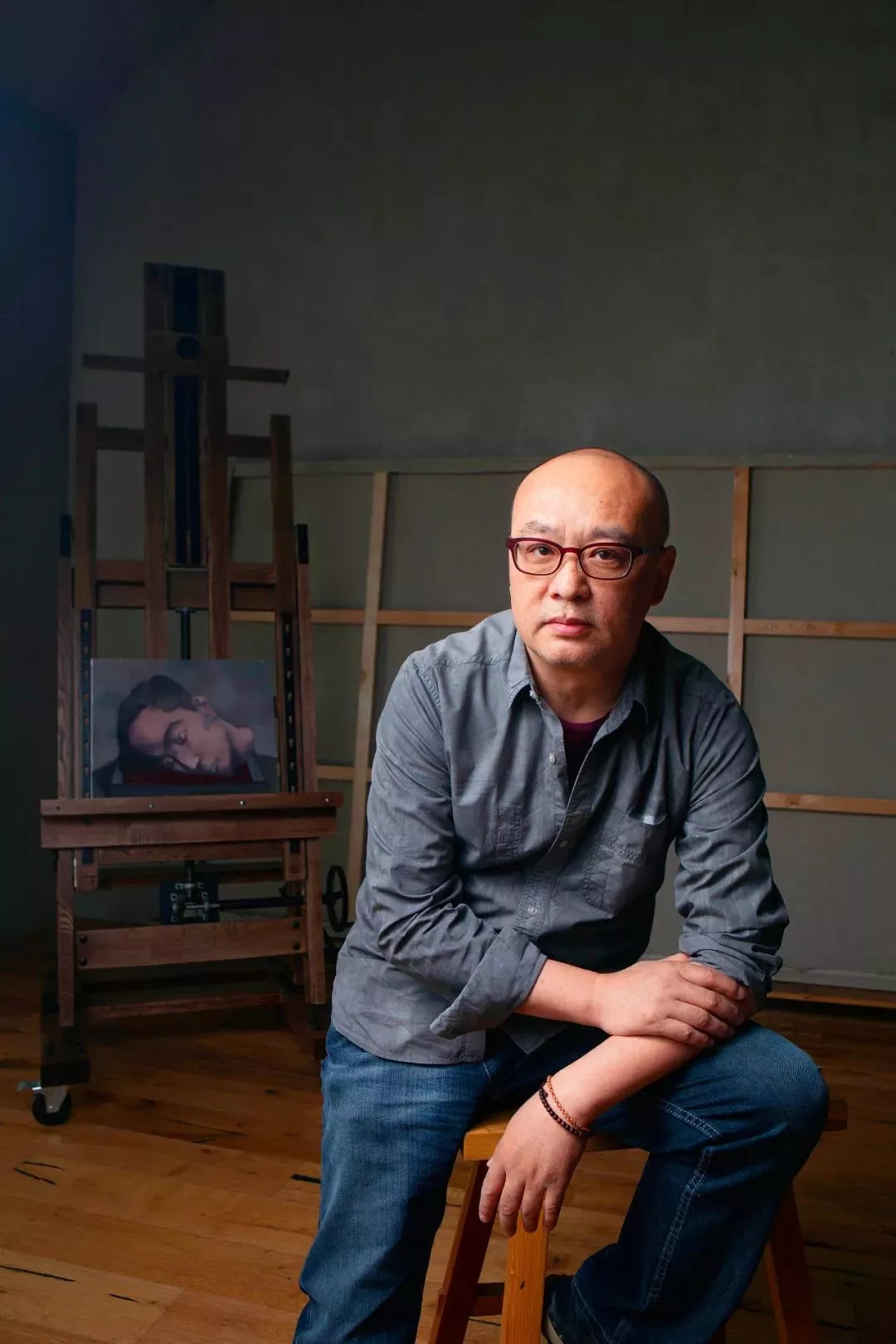
Zhang Xiaogang was born in Kunming, Yunnan Province in 1958. He graduated from the Sichuan Academy of Fine Arts in 1982 and currently lives and works in Beijing as a prominent Chinese contemporary artist. Since the mid-1990s, Zhang has utilized the style of modern Chinese pop art to depict stylized, stereotypical portraits of the revolutionary era, conveying collective psychological memories and emotions of epochal significance. This typical representation and simulation of society, the collective, family, and bloodlines is a re-interpretation rooted in art, emotion, and life, thus holding profound contemporary significance. In 1997, he was awarded the Asian Contemporary Artist Award by the Coutts Contemporary Art Foundation (UK).
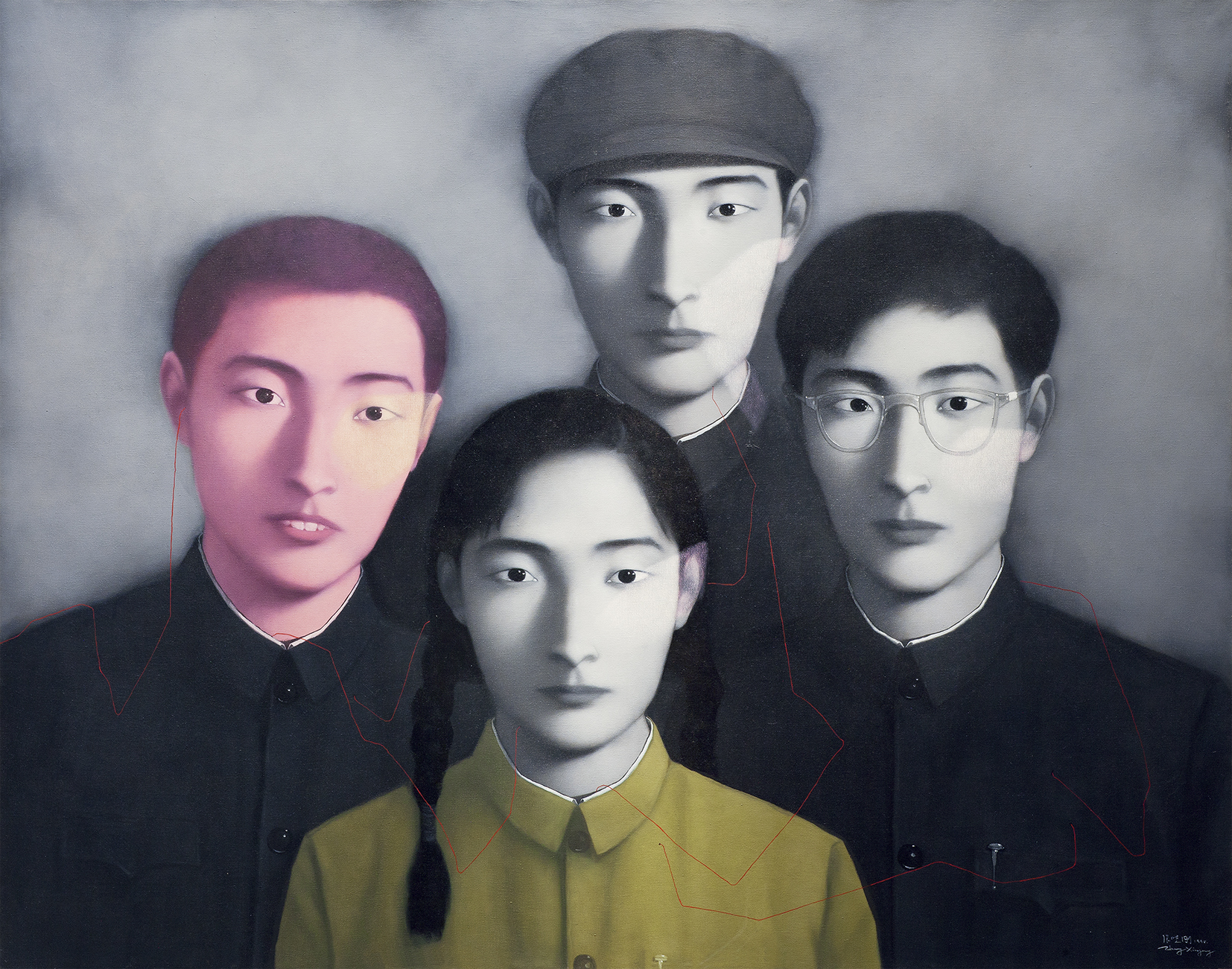
The "Bloodline" Series
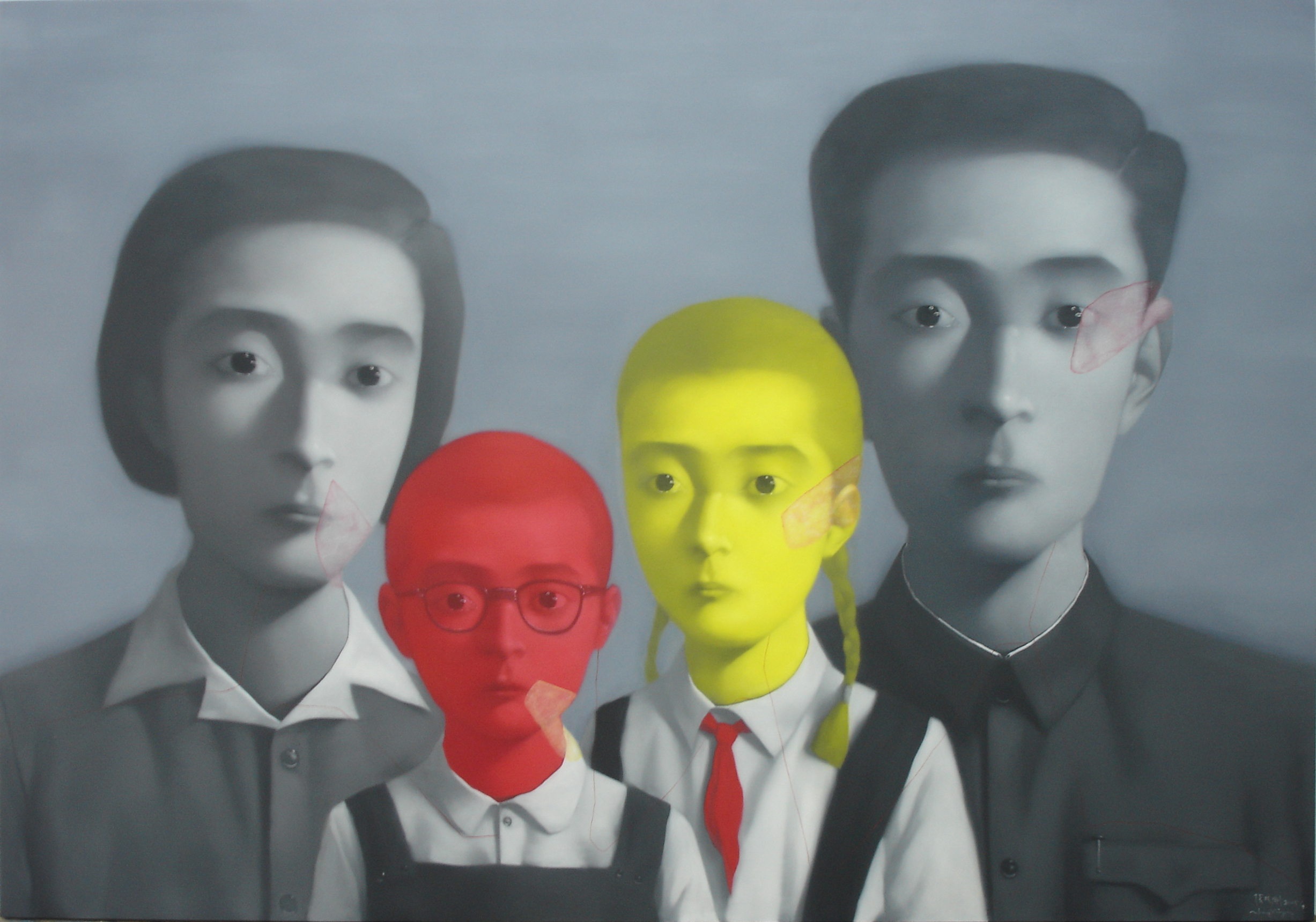
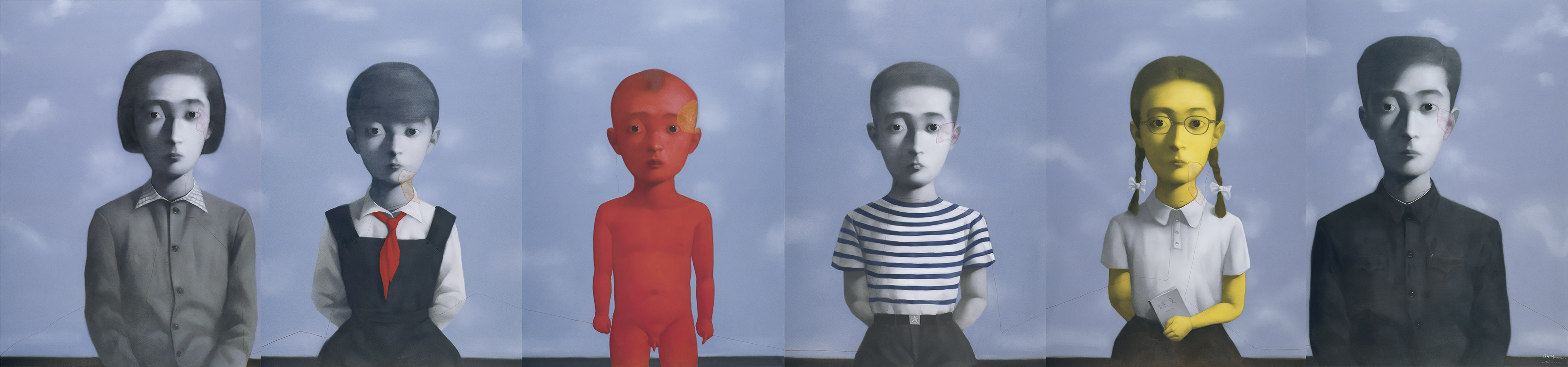
Zhang Xiaogang’s most famous series is inspired by old family photographs, depicting figures with pale faces and detached expressions. The "bloodlines" in the paintings (such as thin red threads or scars) symbolize the fracture between collective memory and individual identity, subtly alluding to the standardization and suppression of family relationships during the socialist era.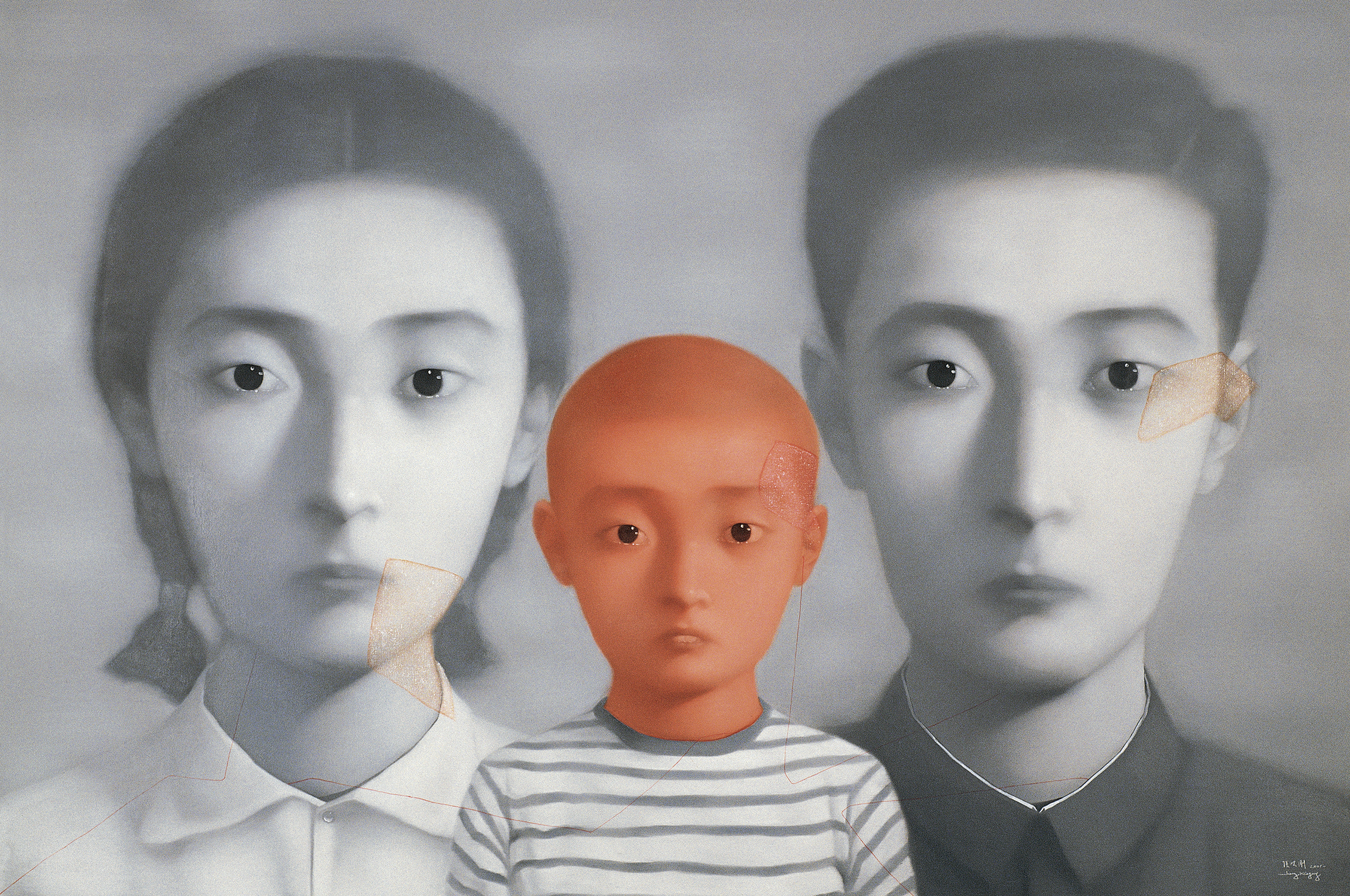
Thematic Characteristics
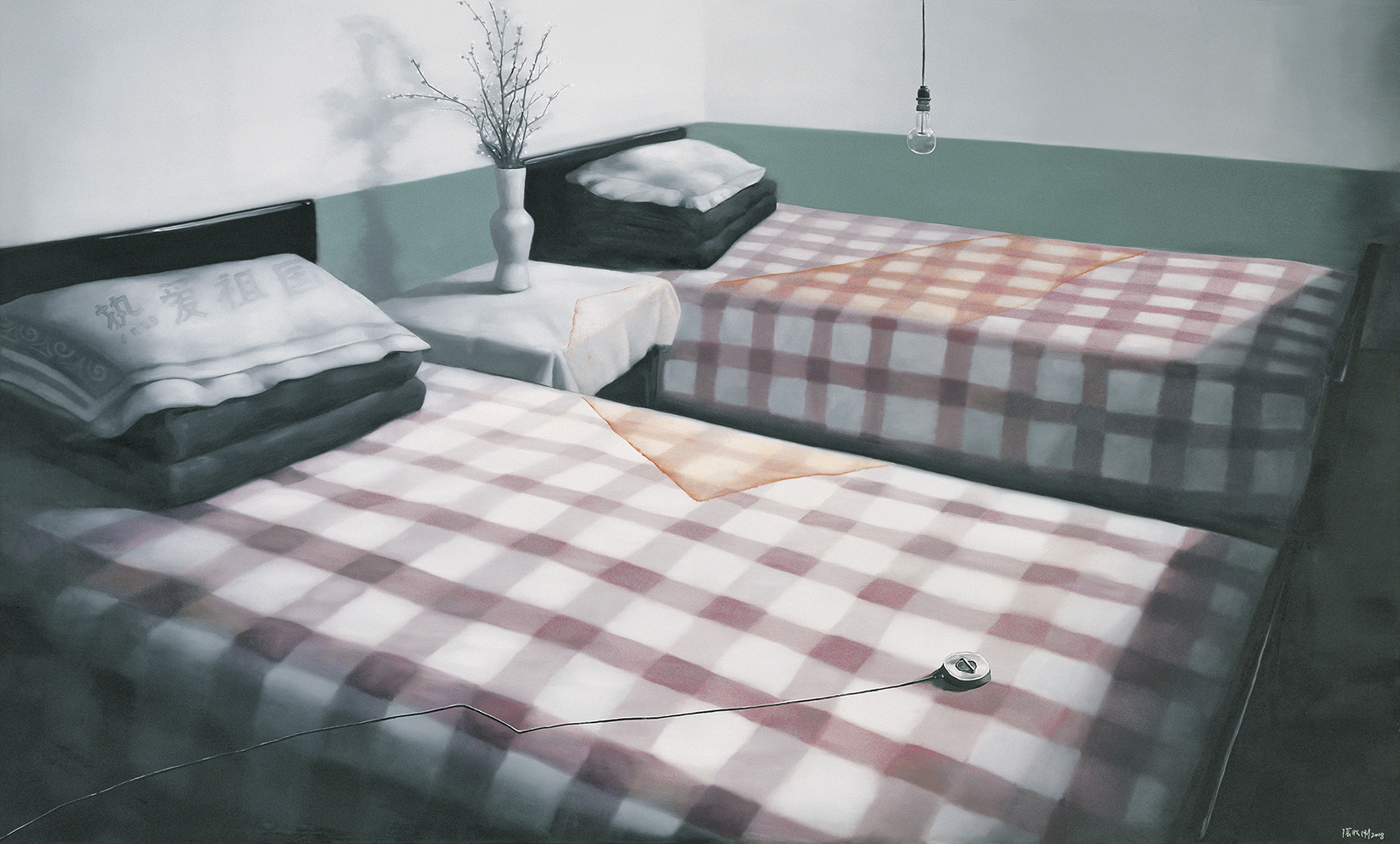
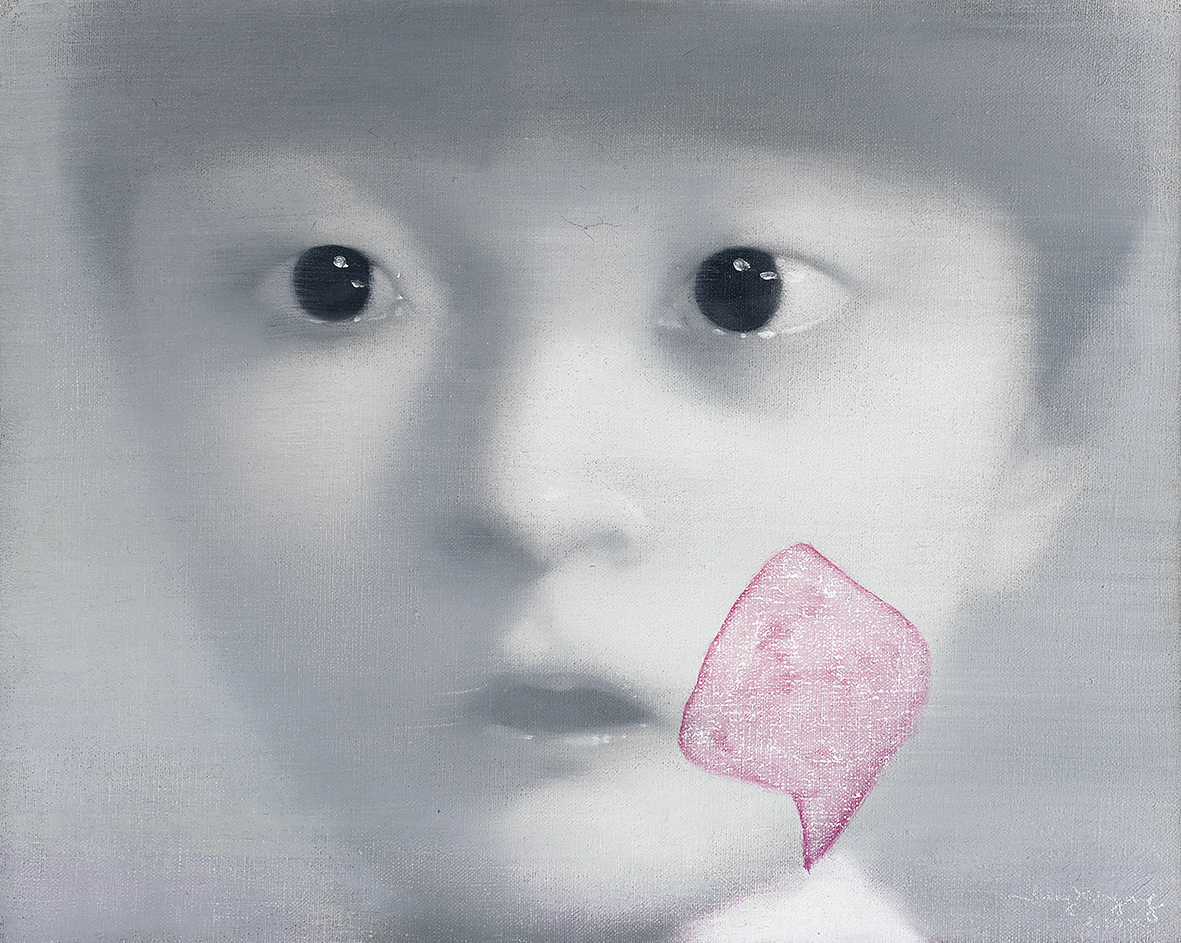
Creates a surreal atmosphere through the use of cool tones and flattened visual processing.
Integrates traditional Chinese folk portraiture with the visual language of Pop Art.
Explores profound themes such as collectivism, historical trauma, and identity.
International Influence & Market Value
His works have been exhibited at top-tier international institutions, including the Museum of Modern Art (MoMA) in New York, the Centre Pompidou in Paris, and the Venice Biennale.
Auction Records
Bloodline: Big Family No. 3 (1995) sold for HK$94.2 million at Sotheby's Hong Kong in 2014, setting a record for Chinese contemporary art auctions at the time. Multiple works of his consistently rank at the top of global contemporary artist auction lists.
Zhang is regarded as the artistic spokesperson for China's social transition following the Reform and Opening-up. His works are widely interpreted as the spiritual portraits of an entire generation.



Further reading
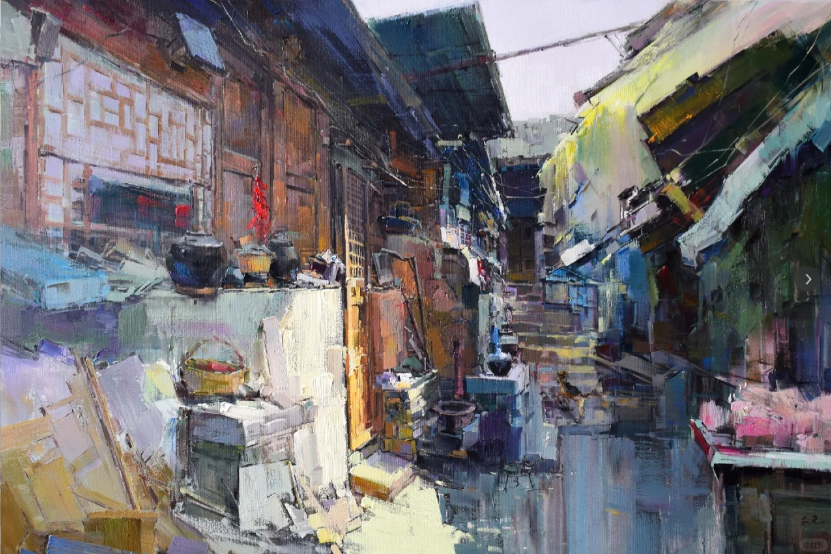
Artist of the Day | Zhao Yanliang
Zhao Yanliang was born in 1986 in Langfang, Hebei Province. He graduated from the Hebei Vocational Art College, pursued advanced studies at the Tianjin Academy of Fine Arts, and graduated from the Advanced Research Class of the Bai Yuping Studio at the Beijing Fine Art Academy in 2020.
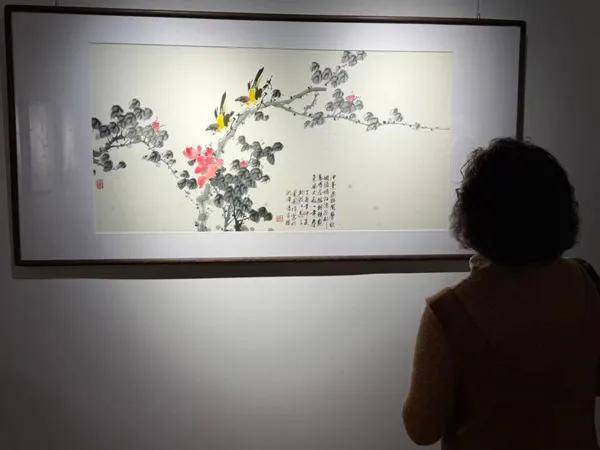
61 Works Showcase an Artistic Quest: "Endless Faint Fragrance – Zeng Jingxiang's Freehand Flower-and-Bird Painting Exhibition" Opens in Xiangtan
The exhibition features 61 of Zeng's freehand flower-and-bird works. It runs until November 21 and is open to the public free of charge.
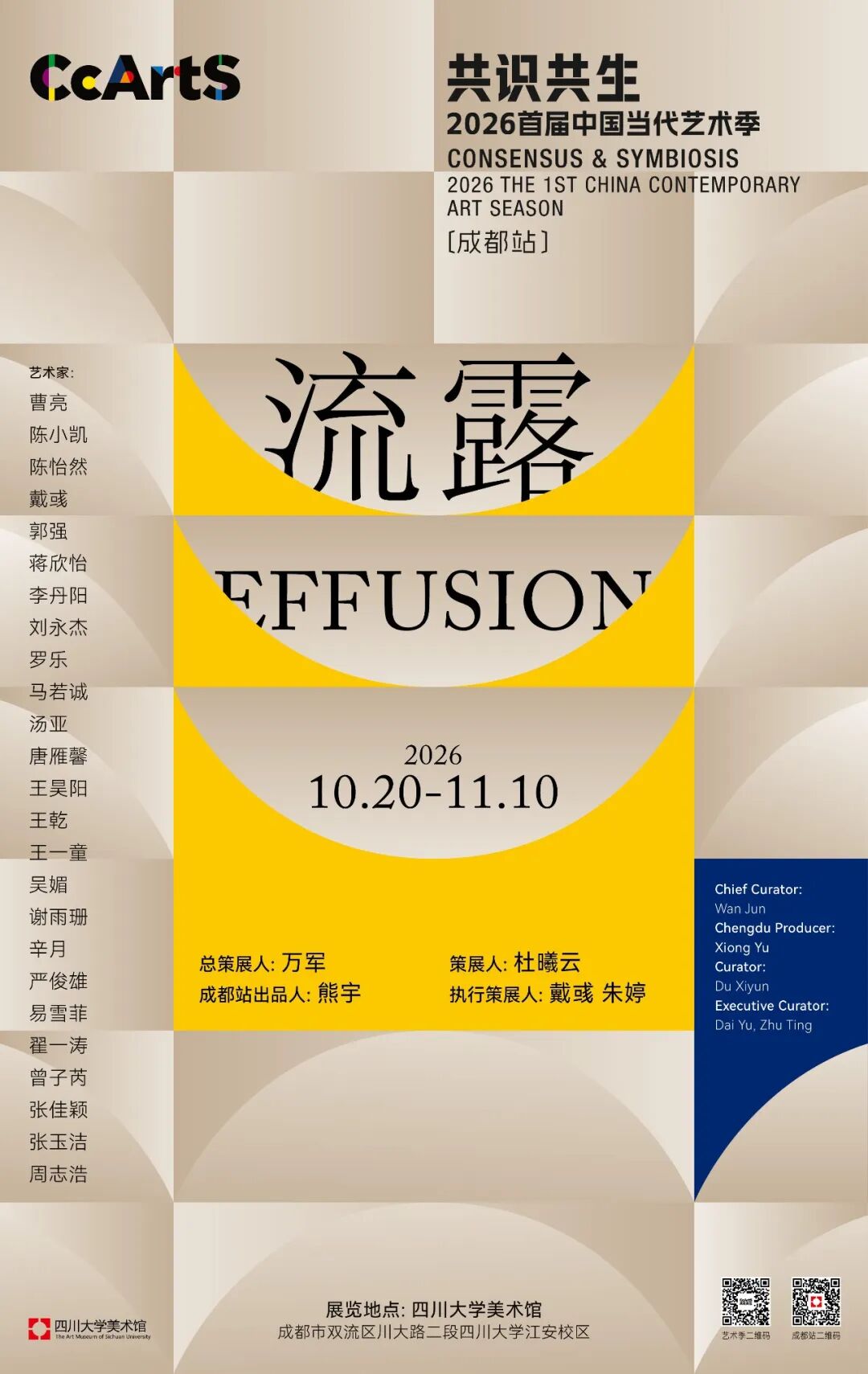
EFFUSION | Consensus and Symbiosis — The 1st Chinese Contemporary Art Season 2026 • Chengdu Station
We are living in an era of highly surplus visual information. Images are produced, disseminated, and reproduced at an unprecedented speed, and artificial intelligence has made image generation even easier. While the tools of expression are multiplying, discovering a truly personal artistic language does not necessarily become any easier.