Artist of the Day | Zhang Dongfeng
As a typical representative of the Ly Giang Painting School, Truong Dong Phong's style is a delicate intersection between Eastern and Western art. He focused on portraying the beauty of the countryside...
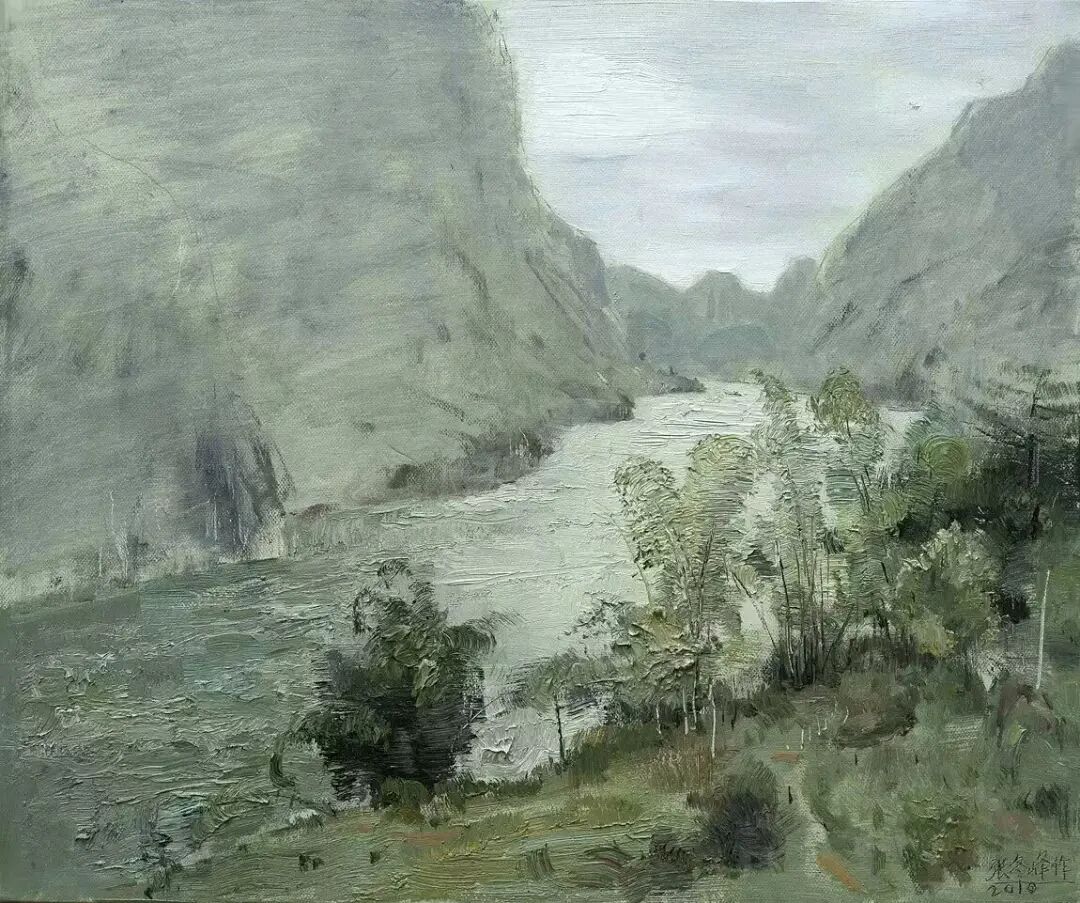
A leading representative of the Lijiang Painting School, Zhang Dongfeng masterfully blends Eastern and Western artistic traditions. Rather than depicting grand mountains and majestic rivers, he focuses on the rustic countryside of southern Guangxi. His canvases are filled with the beauty of everyday scenery: serene ponds, gentle rolling hills, humble farmhouses, bamboo groves, and rice paddies.
1. Subject Matter & Mood
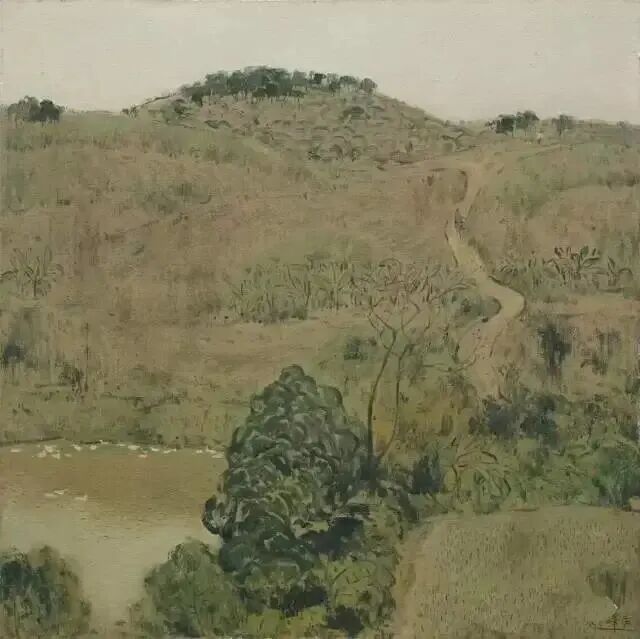
Dedicated to the subtropical rural landscapes of the South, his canvases exude a tranquil, detached atmosphere imbued with literati poetry. Rather than merely replicating reality, his work emphasizes a warm nostalgia for the countryside, pursuing the spiritual resonance and poetic mood (yijing) typical of traditional Chinese landscape painting.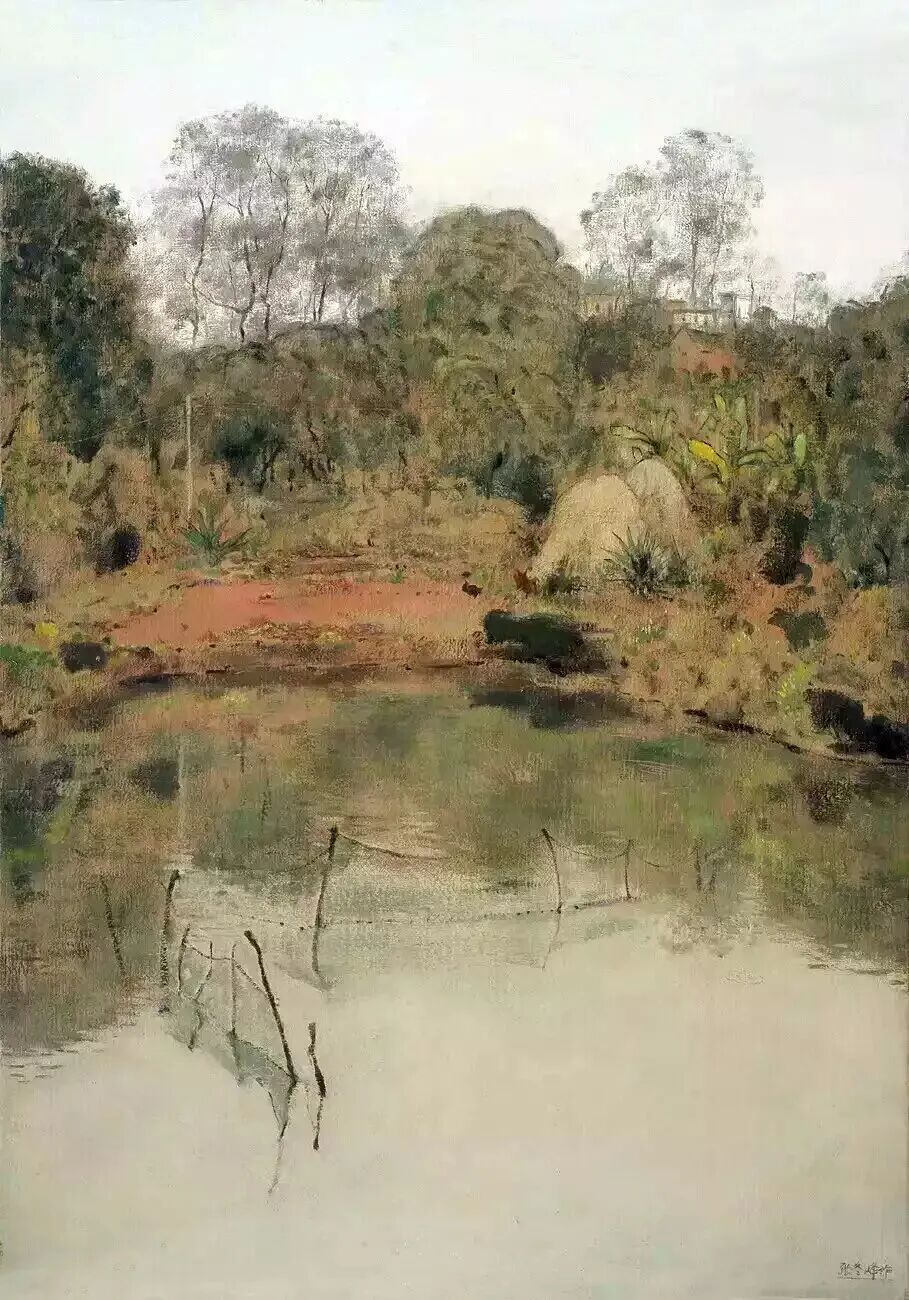
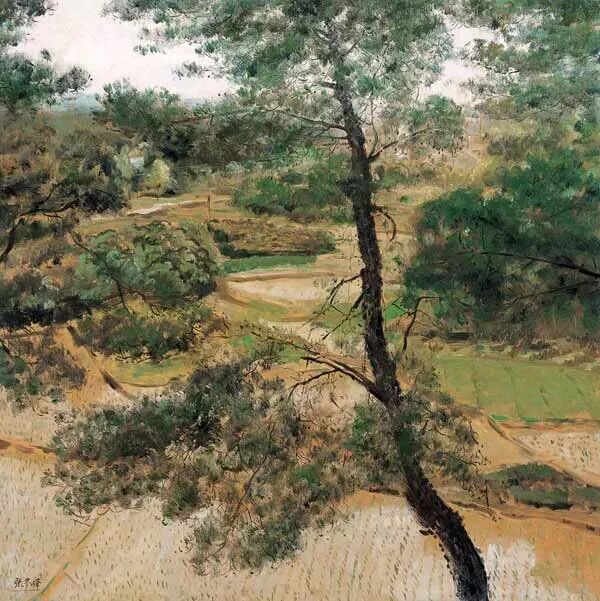
2. Color Palette
Zhang excels in utilizing greens, applying subtle shades of grayish-green, yellowish-green, and bluish-green. Characterized by low saturation, his tones are warm, mellow, and soft, perfectly capturing the humid, misty light of the South without relying on harsh or glaring colors.Much like setting the main melody in music, he first establishes the overall color tone, then introduces subtle color variations within that unified framework, resulting in a highly harmonious and nuanced composition.
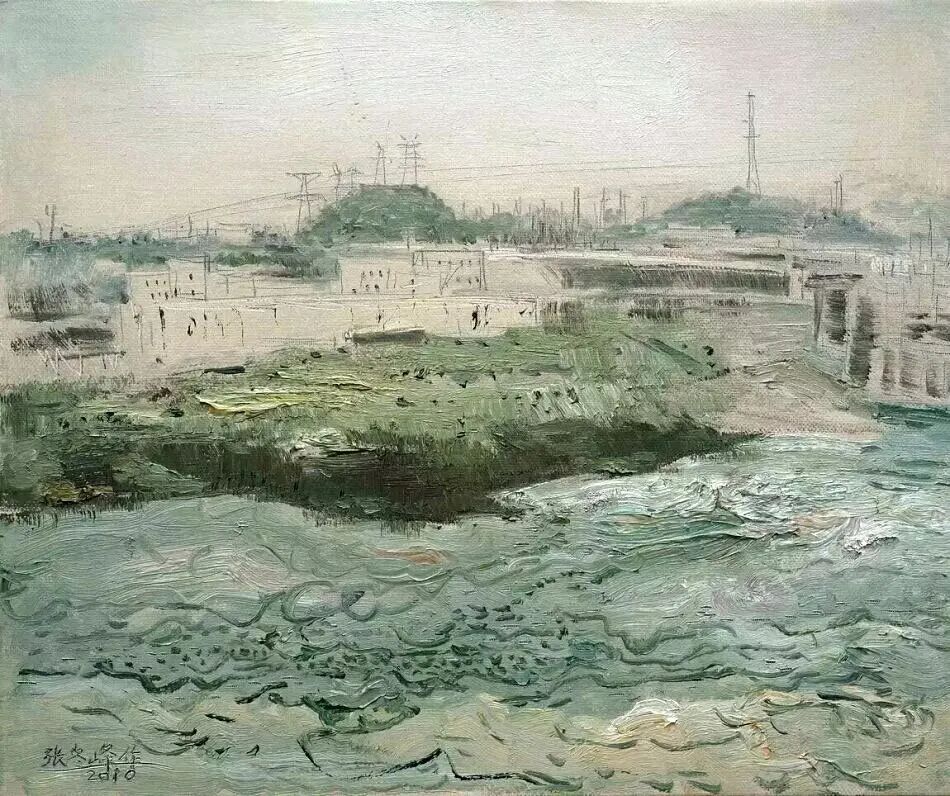
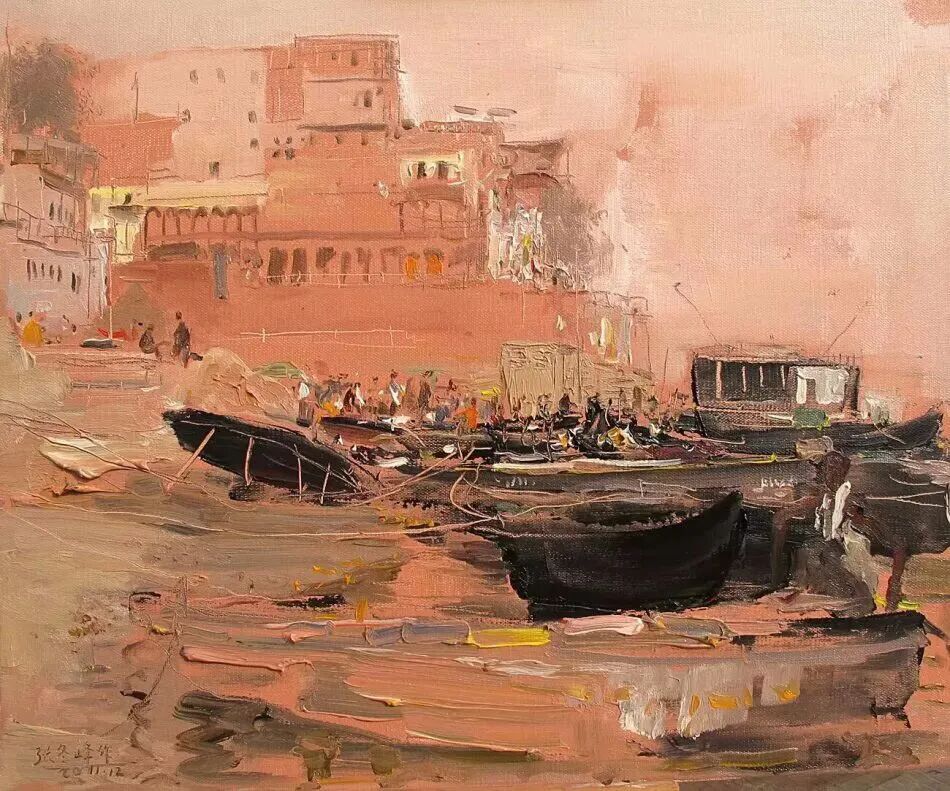
3. Expression of Light
Instead of strong, direct hard light, he employs the hazy, soft, diffused lighting typical of the vapor-veiled South. By softening strong light-and-shadow contrasts, he prioritizes the overall atmosphere of the painting over rigid, realistic logic of illumination.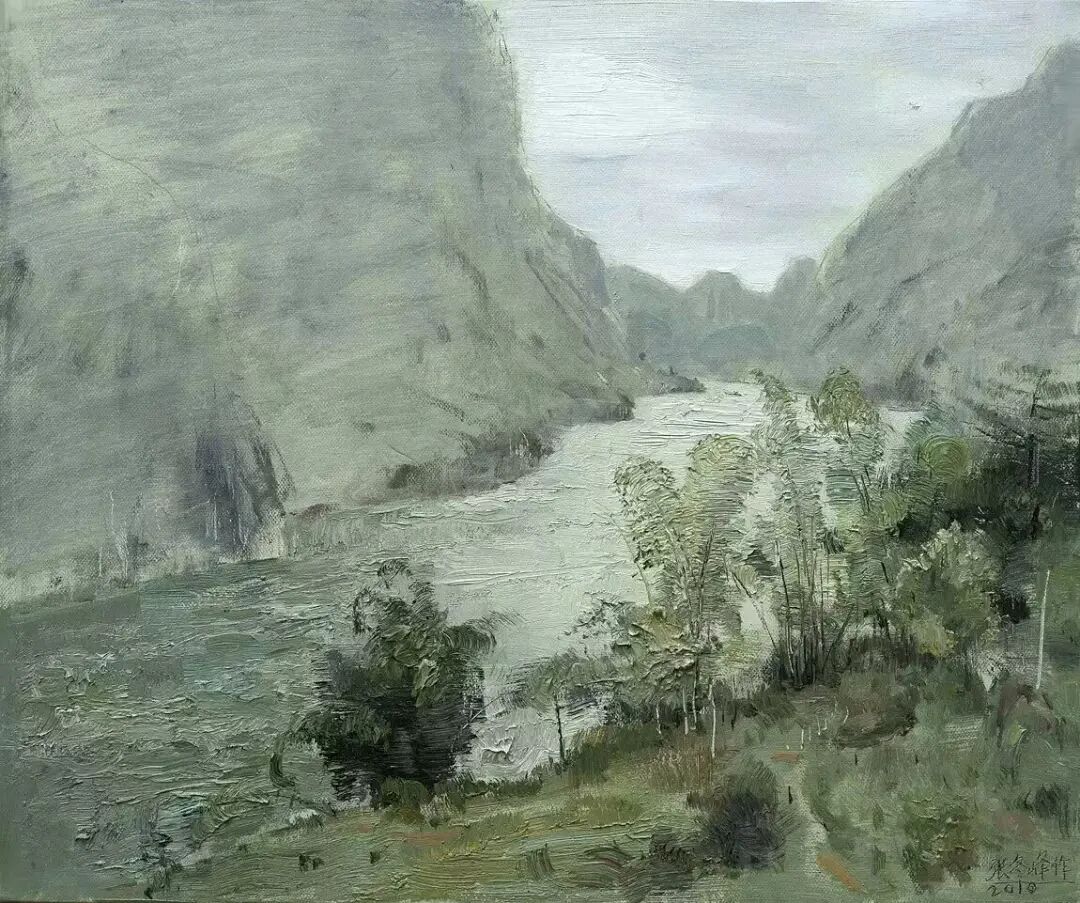
4. Brushwork & Technique (The Core of East-West Integration)
He brilliantly infuses traditional Chinese ink wash techniques into oil painting, applying the concepts of outlining (gou), texturing (cun), dotting (dian), dyeing (ran), and ink-accumulation (jimo) onto the canvas.Tree trunks, fences, and plantain leaves are painted with sweeping, outline-like brushstrokes. Vegetation is depicted through dotting and layering colors, closely resembling the traditional ink-accumulation method. His brushwork is loose and expressive (xieyi), avoiding overly rendered details. With simplified forms and spontaneous strokes, his art rests on a realistic foundation but carries an expressive spirit—rich and textured, yet never dull or rigid.
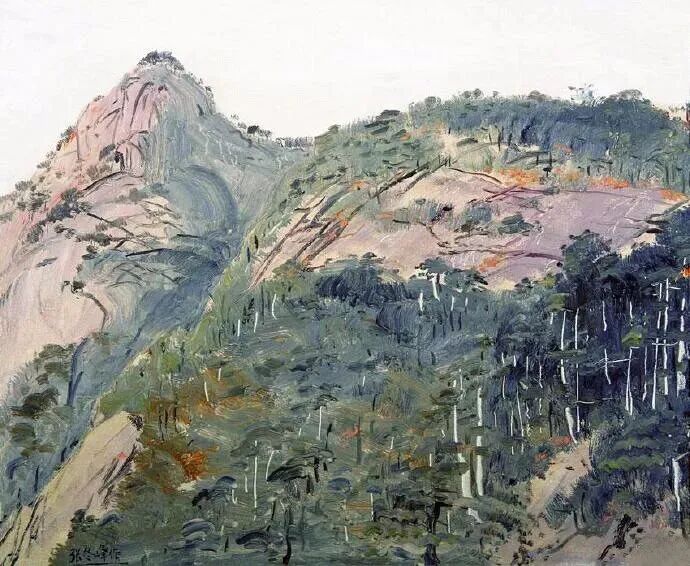
5. Composition
He frequently employs a classic foreground-middleground-background layout for his landscapes, absorbing the spatial aesthetics of traditional Chinese painting. Rather than pursuing highly dramatic compositions, he opts for a peaceful, unhurried arrangement, rendering the scenes tranquil and deeply relaxing.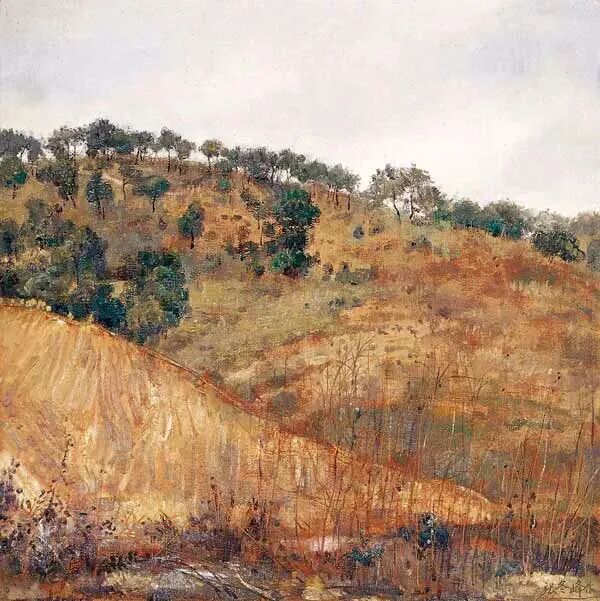
Summary
Zhang Dongfeng's landscape oil paintings focus on the ordinary, rustic countryside of southern Guangxi, characterized by warm, low-saturation tones and the hazy light of the South. By integrating the traditional Chinese techniques of outlining, texturing, dotting, and dyeing into oils, and prioritizing poetic mood and spiritual resonance over strict realism, his quiet and lyrical canvases stand as a quintessential representation of Chinese-style landscape oil painting.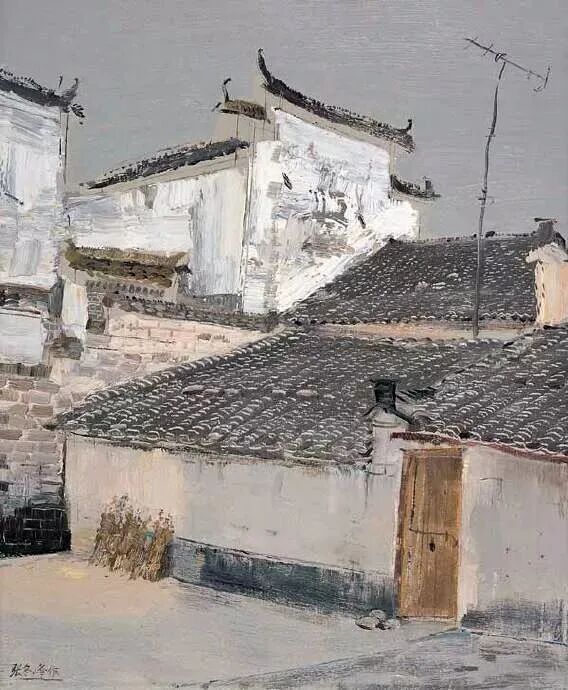
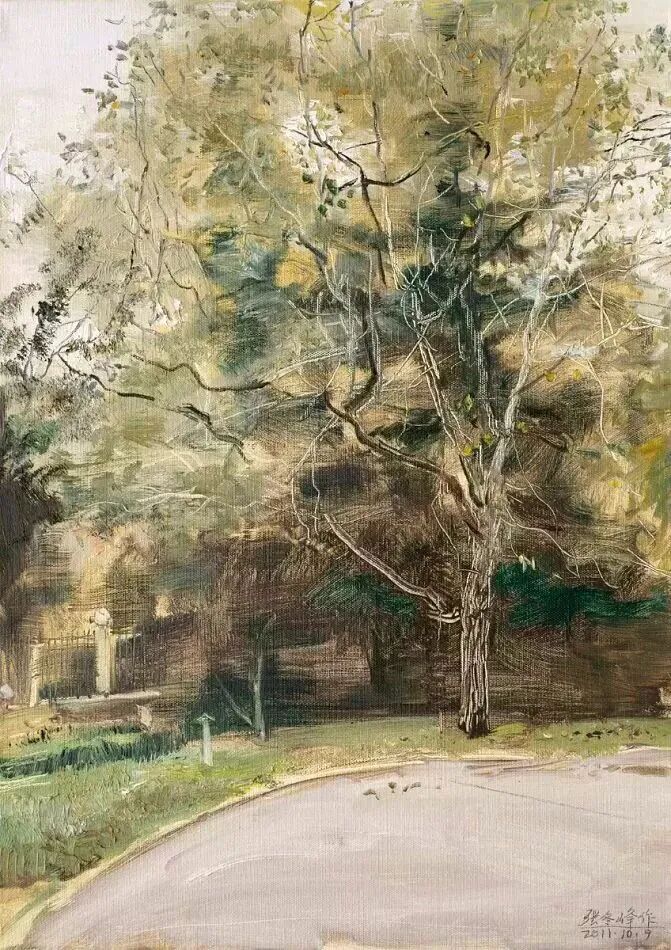
Souce: 意象油画工作室
Further reading
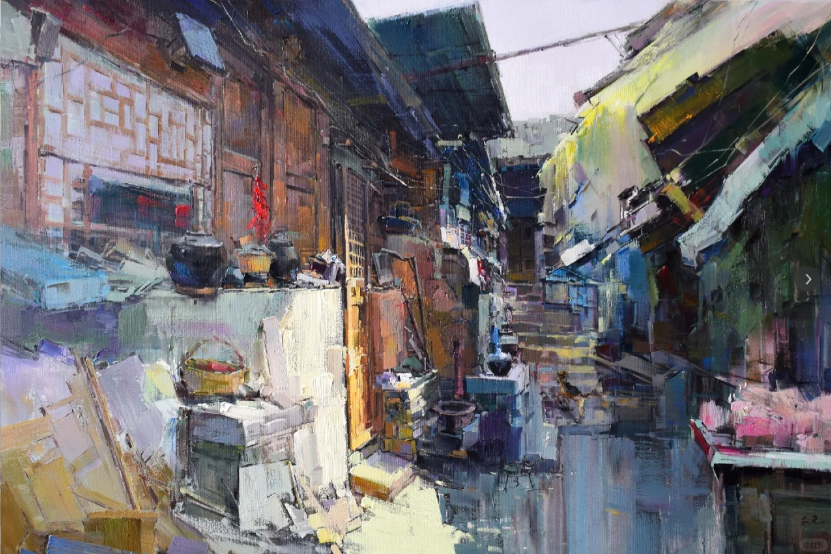
Artist of the Day | Zhao Yanliang
Zhao Yanliang was born in 1986 in Langfang, Hebei Province. He graduated from the Hebei Vocational Art College, pursued advanced studies at the Tianjin Academy of Fine Arts, and graduated from the Advanced Research Class of the Bai Yuping Studio at the Beijing Fine Art Academy in 2020.
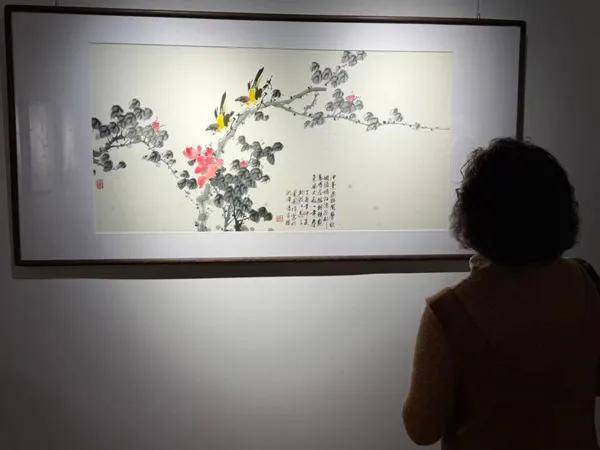
61 Works Showcase an Artistic Quest: "Endless Faint Fragrance – Zeng Jingxiang's Freehand Flower-and-Bird Painting Exhibition" Opens in Xiangtan
The exhibition features 61 of Zeng's freehand flower-and-bird works. It runs until November 21 and is open to the public free of charge.
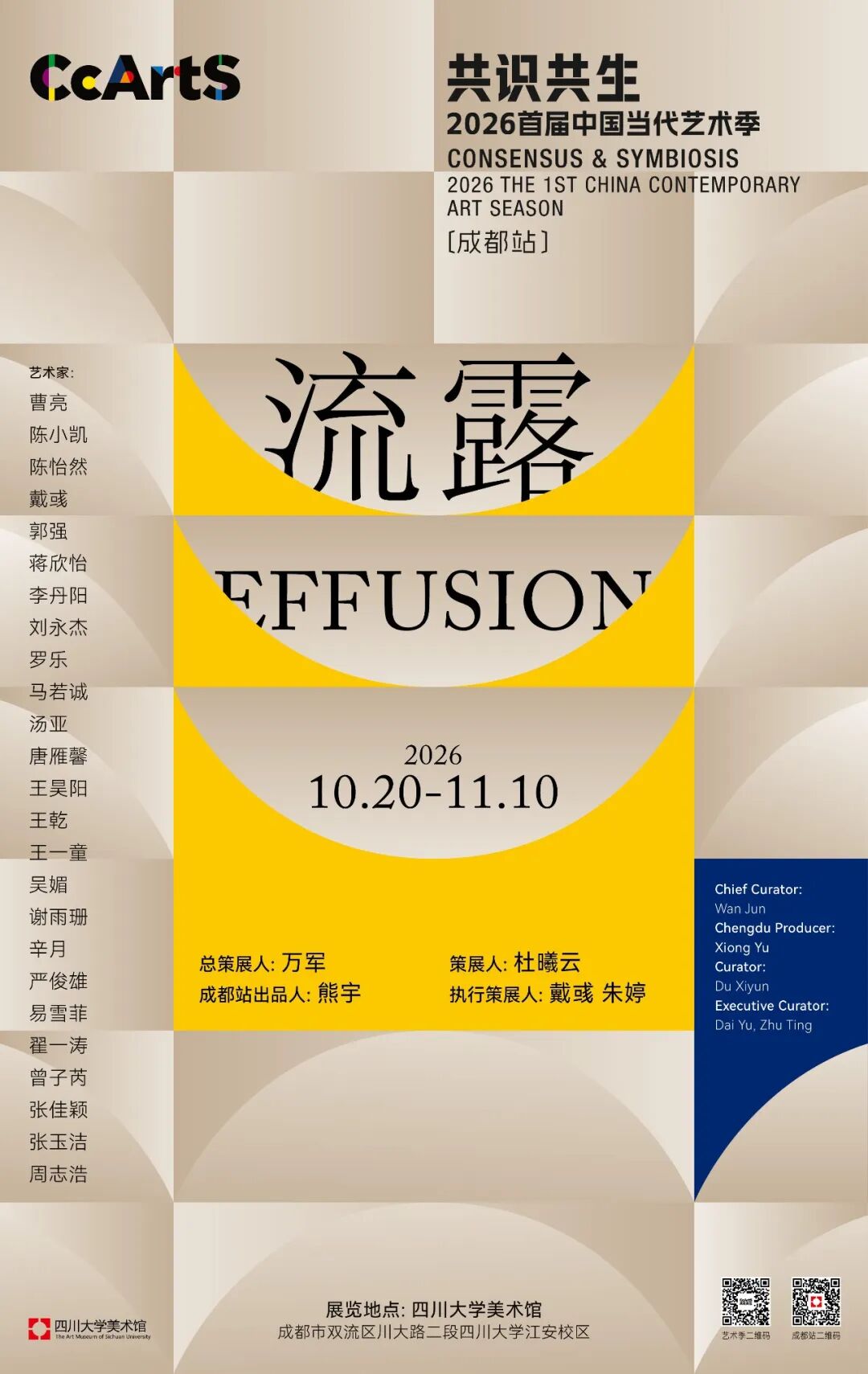
EFFUSION | Consensus and Symbiosis — The 1st Chinese Contemporary Art Season 2026 • Chengdu Station
We are living in an era of highly surplus visual information. Images are produced, disseminated, and reproduced at an unprecedented speed, and artificial intelligence has made image generation even easier. While the tools of expression are multiplying, discovering a truly personal artistic language does not necessarily become any easier.