Reconstructing Dynamic Field Through Sculpture: The 2026 Changwon Sculpture Biennale "Resonance Field" Opens
Breaking away from the limitations of the traditional white-cube space, the exhibition extends from the main venue, Seongsan Art Hall, to Changwon House, Jinhae Station, and Masan Fish Market, activating the historical textures and everyday landscapes of the entire city into a massive, dynamic sculpture field.
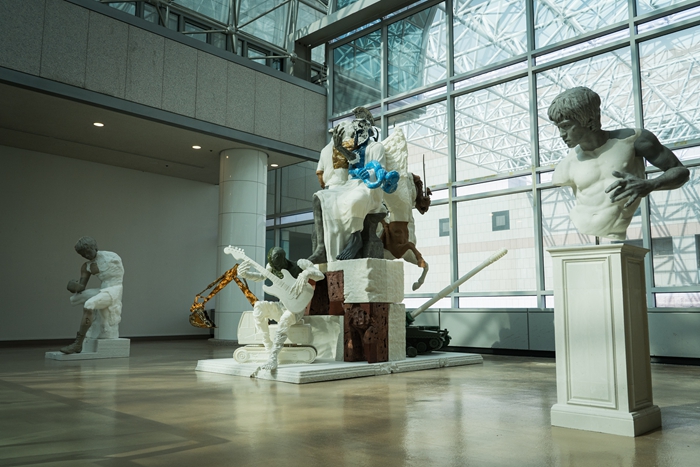
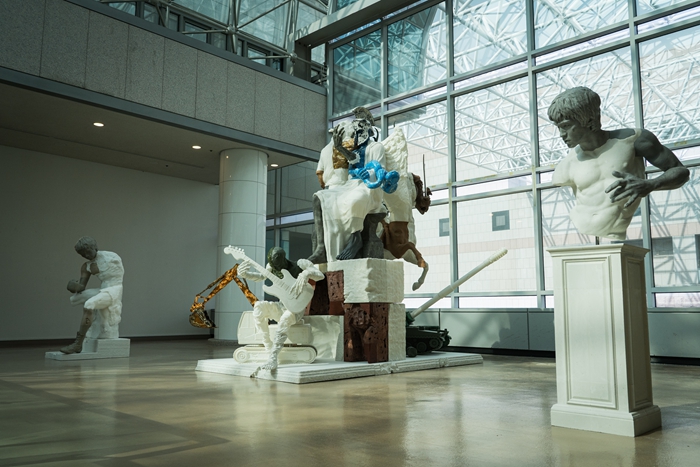
As South Korea's only international art biennale dedicated to the ontology of sculpture and its medium expansion, the 8th Changwon Sculpture Biennale is open to the public from September 30 to November 15, 2026. Under the theme "Resonance Field," this year's biennale is co-curated by Jiang Jun and Cho Hyejung, bringing together 74 teams (81 artists) from 41 cities and regions worldwide. Breaking away from the limitations of the traditional white-cube space, the exhibition extends from the main venue, Seongsan Art Hall, to Changwon House, Jinhae Station, and Masan Fish Market, activating the historical textures and everyday landscapes of the entire city into a massive, dynamic sculpture field.
Curatorial Statement: Rediscovering the "Resonance of Sculpture" in an Age of Acceleration
In a fast-paced society dominated by algorithms and immediacy, the connection between humanity and the world faces a crisis of disconnection and desensitization. Drawing on sociologist Hartmut Rosa's theory of resonance, the curatorial team poses a question: "Can sculpture once again become a field where humans and the world resonate?"As the "slowest form of art"—possessing weight, occupying space, and enduring the test of time—sculpture is no longer treated merely as an isolated, static aesthetic object within a museum. Instead, it is viewed as a material medium and a sensory structure that resists speed and builds relationships. Rooted in the primal gestures of the East Asian formative tradition—"carving, leaving blank spaces, binding, and stacking"—the exhibition navigates the historical fault lines of Changwon, where ports, modern railways, industrial bases, and traditional maritime heritage intertwine, exploring the reverberations sparked by the collision of different rhythms and disjointed memories.
Exhibition Framework: A Two-Way Extension of Methodologies
This year's biennale features a main exhibition and two parallel special exhibitions, constructing multiple facets of "resonance" from different methodological dimensions:Main Exhibition:
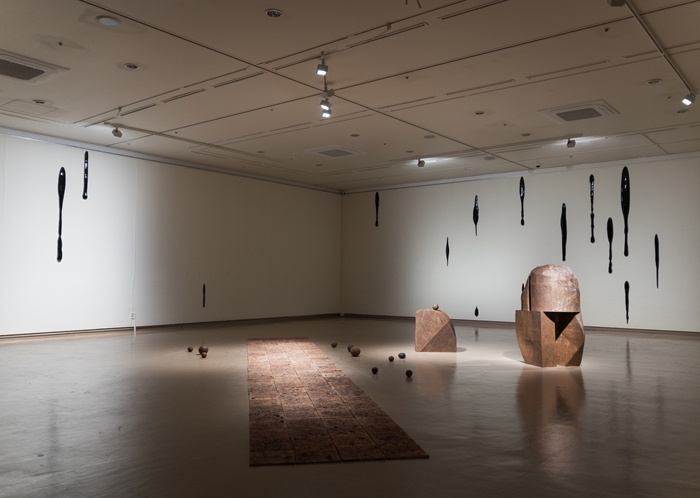
Seongsan Art Hall: Focuses on the intersection of materiality and social reality. Zheng Da's sound installation Physiological Reaction III: Changwon Project uses real-time sensors to translate the city's wind movements into a bodily sensory experience.Changwon House (Traditional Hanok): Ding Yi's new work Constellation Stele lies within a 200-year-old courtyard, its mirrored cross patterns reflecting both nature and the audience. In the pavilion, Manal AlDowayan's lip-shaped brass sculpture Listen to Me explores the resonance between speaking and listening.
Jinhae Station & Masan Fish Market: At Jinhae Station, carrying its modern railway history, Kimsooja's new work Deductive Object – The Grid expands the concept of "weaving" into an architectural brick structure. At Masan Fish Market, Yu Sujin constructs Island in the Human Sea using tin cans, exploring the boundaries and integration of shifting communities based on foreign population data.
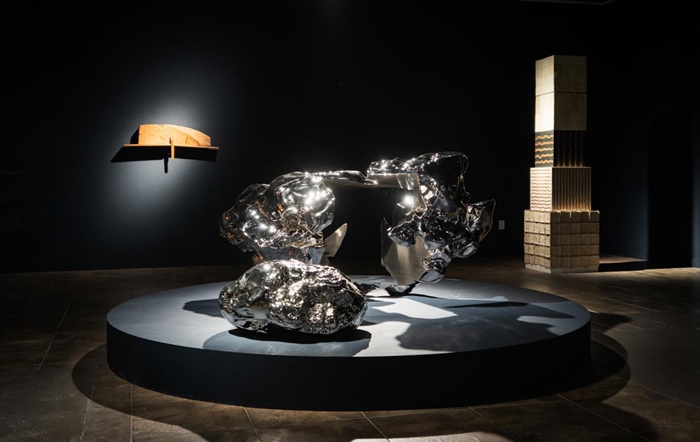
Special Exhibition I "Sculpture Before Sculpture" (Curator: Cho Hyejung): Located in the basement exhibition hall of Seongsan Art Hall, this exhibition traces the primal ways humans experienced the world before the modern category of "sculpture" was established. Showcasing classic works by artists such as Kim Yun-shin, Shim Moon-seup, Zhan Wang, Ju Ming, Ma Desheng, and Park Suk-won, it repositions the act of shaping within the sensory dimensions of natural philosophy and life experience.
Special Exhibition II "Changwon Sculpture Atlas" (Curator: Jiang Jun): In collaboration with the visual research group "Atlas Mapping Collective," this exhibition utilizes data analysis and multidimensional spatial mapping to build a digital-physical dynamic network. This network connects public city monuments, legacy works from past biennales, and locally commissioned creations, thereby reconstructing a decentralized map of urban relationships.
Beyond the exhibitions, the biennale will continuously host the "Resonance Network" international academic conference, the "Resonance Academy" lecture series, citizen co-creation projects, and crossover music performances integrated with urban spaces, further propelling the energy of the biennale from the exhibition halls into public life.
Source: art.china.cn
Images provided by the Changwon Sculpture Biennale




Further reading
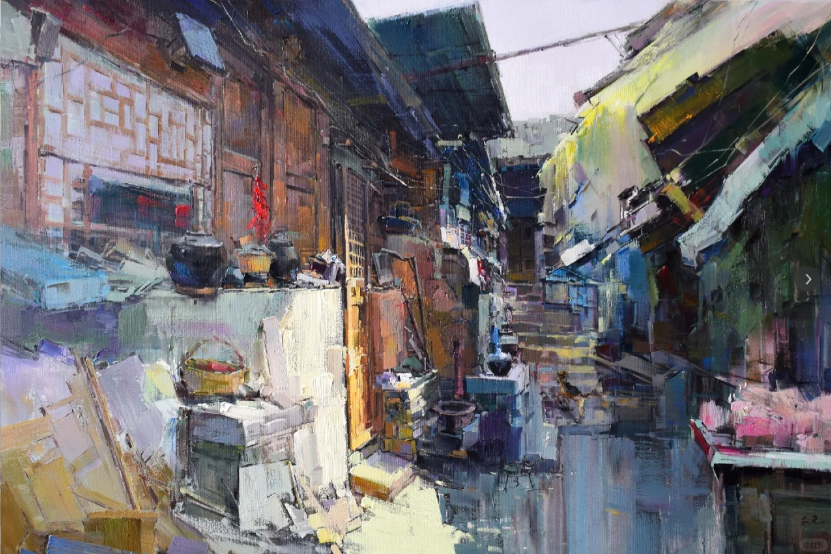
Artist of the Day | Zhao Yanliang
Zhao Yanliang was born in 1986 in Langfang, Hebei Province. He graduated from the Hebei Vocational Art College, pursued advanced studies at the Tianjin Academy of Fine Arts, and graduated from the Advanced Research Class of the Bai Yuping Studio at the Beijing Fine Art Academy in 2020.
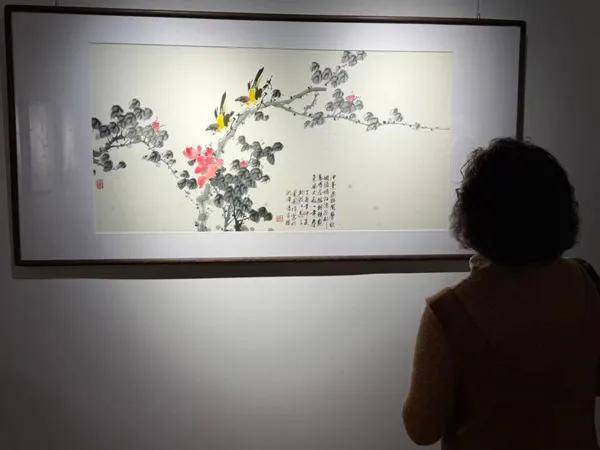
61 Works Showcase an Artistic Quest: "Endless Faint Fragrance – Zeng Jingxiang's Freehand Flower-and-Bird Painting Exhibition" Opens in Xiangtan
The exhibition features 61 of Zeng's freehand flower-and-bird works. It runs until November 21 and is open to the public free of charge.
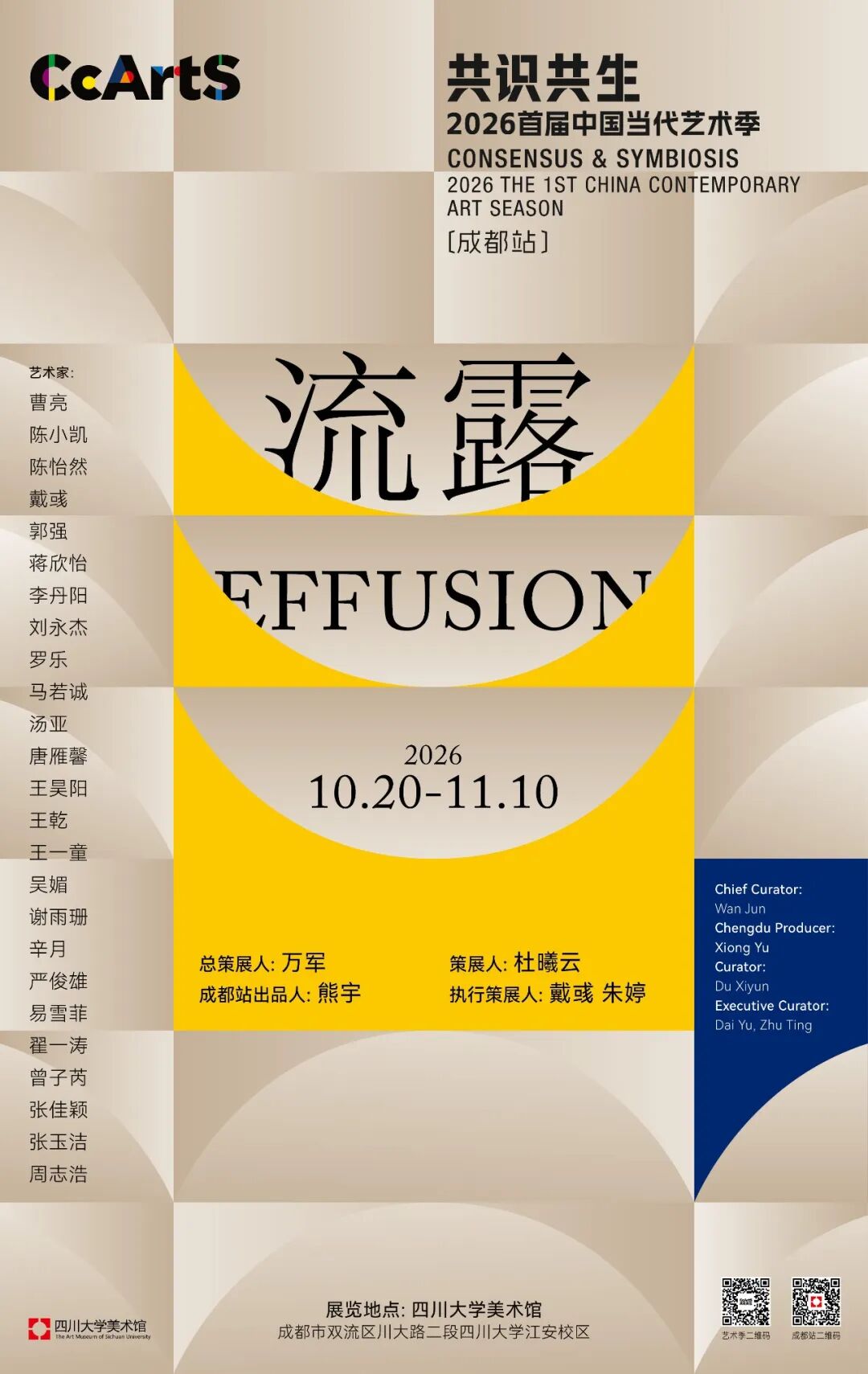
EFFUSION | Consensus and Symbiosis — The 1st Chinese Contemporary Art Season 2026 • Chengdu Station
We are living in an era of highly surplus visual information. Images are produced, disseminated, and reproduced at an unprecedented speed, and artificial intelligence has made image generation even easier. While the tools of expression are multiplying, discovering a truly personal artistic language does not necessarily become any easier.