Decoding Art Movements | Dadaism
The core of Dadaism was not a specific aesthetic style, but an anti-art posture of survival.
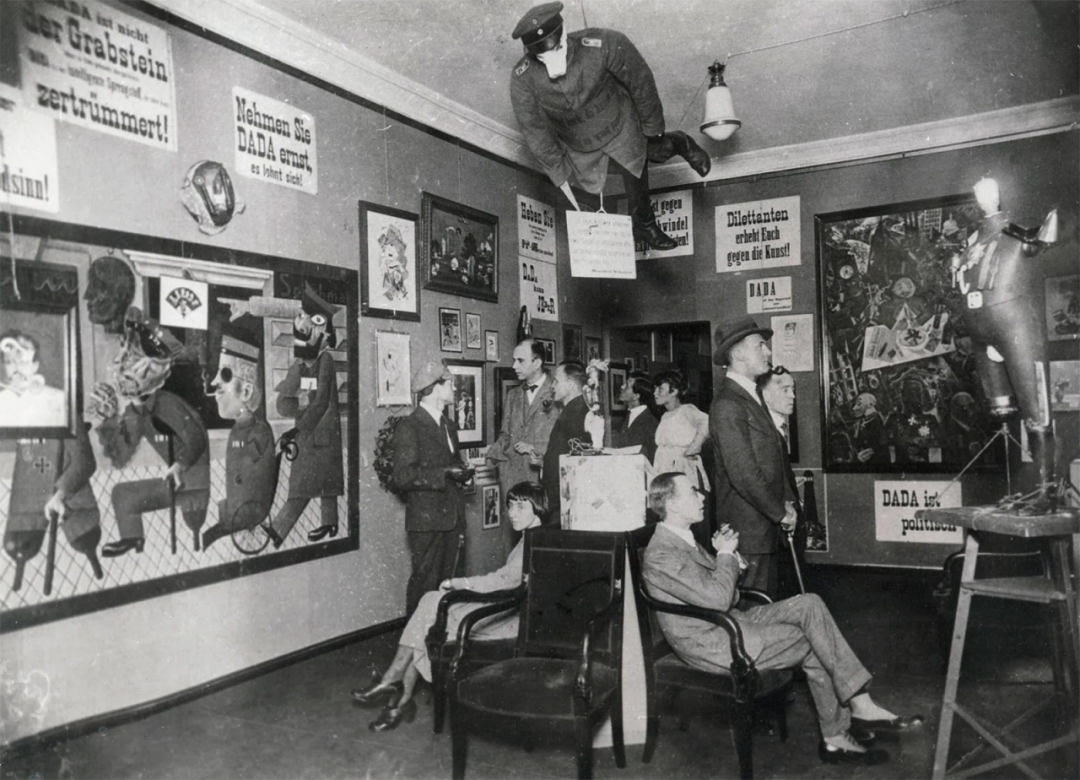
In 1916, at the Cabaret Voltaire in Zurich, Switzerland, a group of exiled artists fleeing the war sat around under dim lights. Using a paper knife, they randomly opened a French-German dictionary. The tip of the blade landed on the word "dada"—French for "hobbyhorse," and also the meaningless babble of an infant. This randomly chosen word became the name of an art movement that would sweep the globe.
Its absurdity perfectly matched the artists' despair: facing the 16 million souls lost in World War I, reason and order had been reduced to accomplices of executioners. Only through absolute nihilism could the hypocritical mask of the old world be torn apart.
The core of Dadaism was not a specific aesthetic style, but an anti-art posture of survival. As artillery fire destroyed European civilization, Dadaists declared: "Art is dead, but its rotting corpse smells surprisingly good." Using urinals, scrap newspapers, taxidermy monkeys, and a mustachioed Mona Lisa, they launched a provocation against the "high art" of the bourgeoisie.
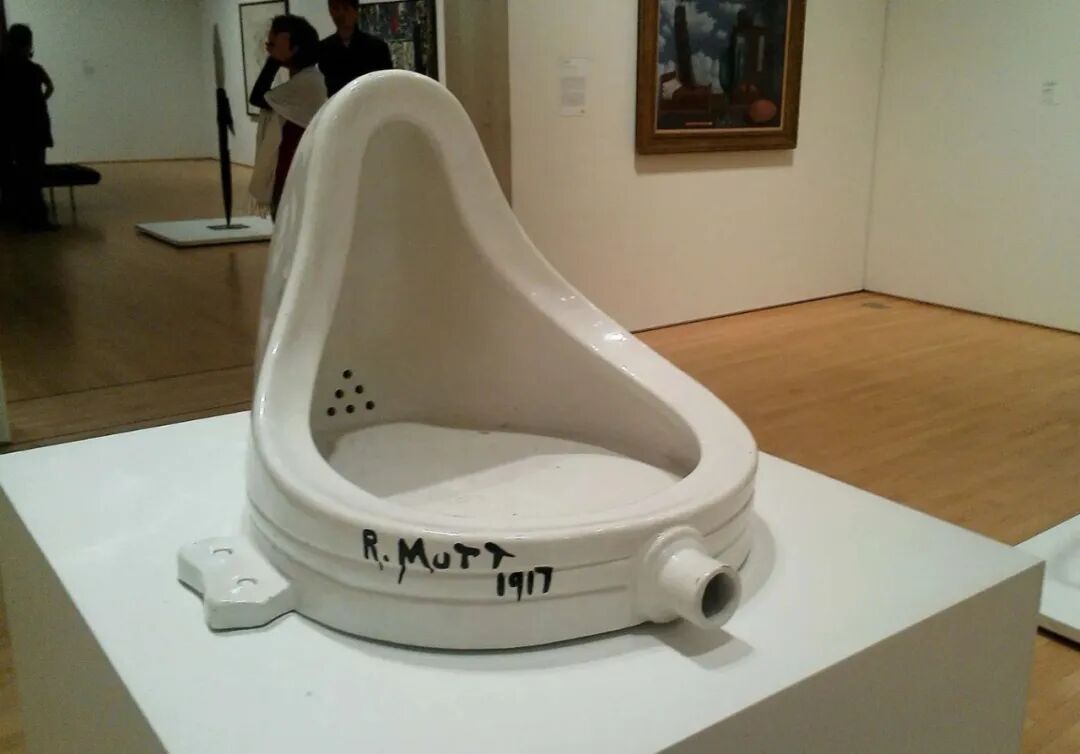
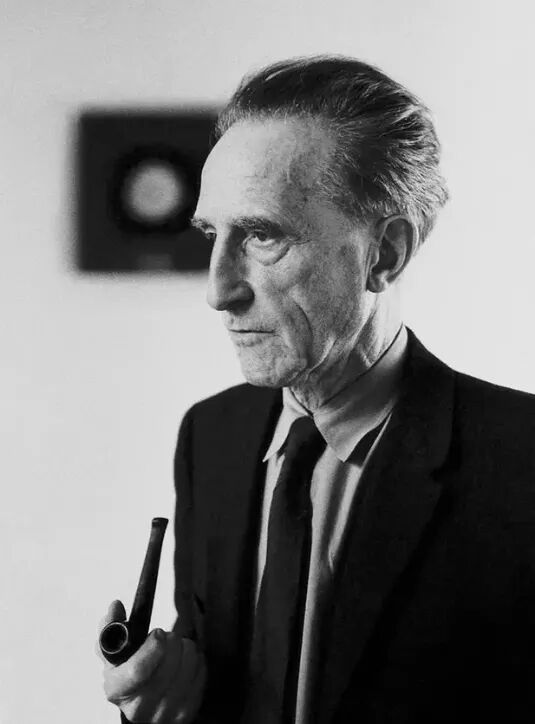
Marcel Duchamp's Fountain (1917)—a porcelain urinal signed "R. Mutt" submitted to an art gallery exhibition—became the symbol of this revolution. It forced audiences to confront a subversive question: if art can be any named object, then what exactly is art?
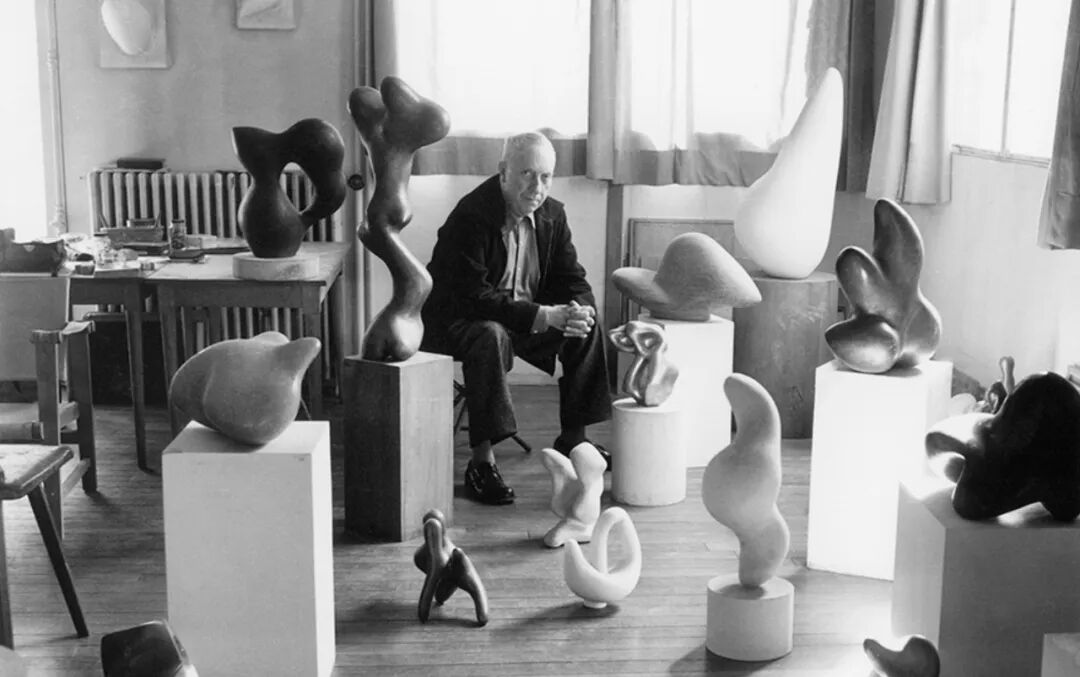
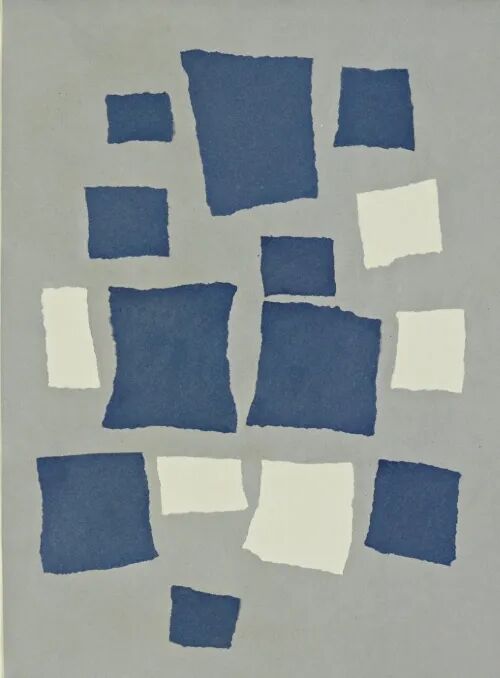
Behind the destructiveness of this movement lay a profound philosophical critique. Dadaists believed that traditional art's aesthetic standards (such as harmony, sublimity, and craftsmanship) were lies used to maintain the old order. Hans Arp tore up drawing paper and dropped the pieces, gluing them down in the random configuration of their landing to create Collage Arranged According to the Laws of Chance (1917), proclaiming that "chance is the only true oracle." Tristan Tzara roared in the Dada Manifesto: "Dada is the howling of unbearable pain, the interplay of all entanglements, contradictions, and absurdities!"
They used illogical poetry (cutting words from newspapers and arranging them randomly), theater of the absurd (actors wearing iron buckets on their heads reciting multilingual gibberish), and provocative acts (Parisian students "executing" a Dada paper figure by throwing it into the Seine) to deconstruct all established rules of language, art, and society.
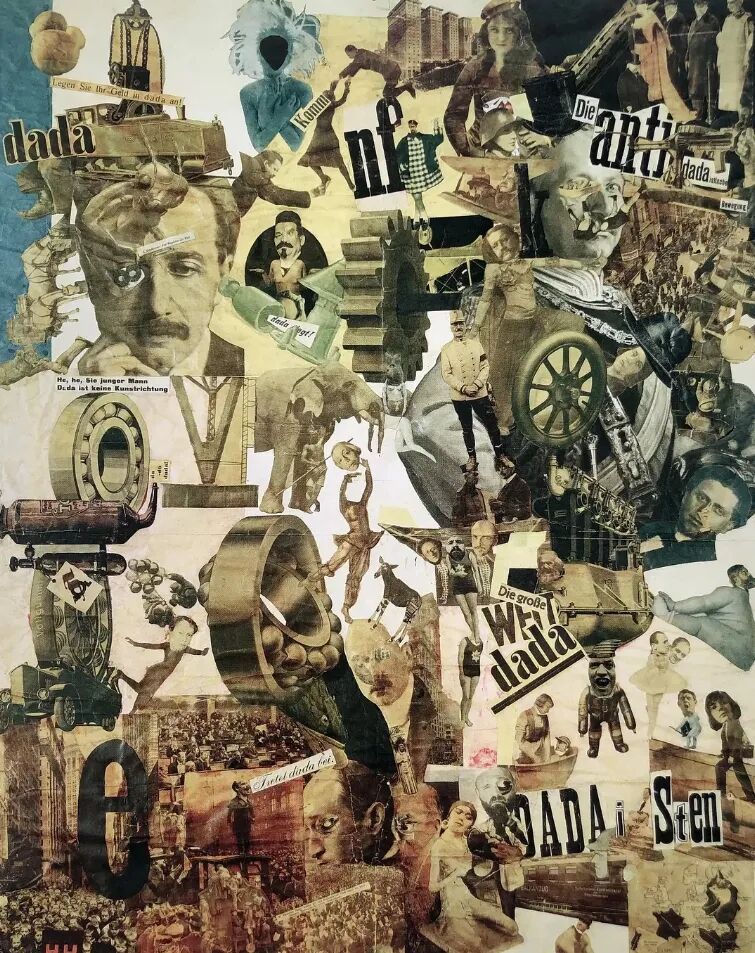
Dada's subversiveness blossomed with even sharper edges in the hands of female artists. Hannah Höch's photomontage Cut with the Kitchen Knife Dada Through the Last Weimar Beer-Belly Cultural Epoch of Germany (1919) collaged German officers, dancers, gears, and a portrait of Lenin into a sociological dissection. In the lower right corner, she pasted her own head over a map of Europe, striding across the continent in high heels—a dual feminist declaration of war against patriarchal politics.
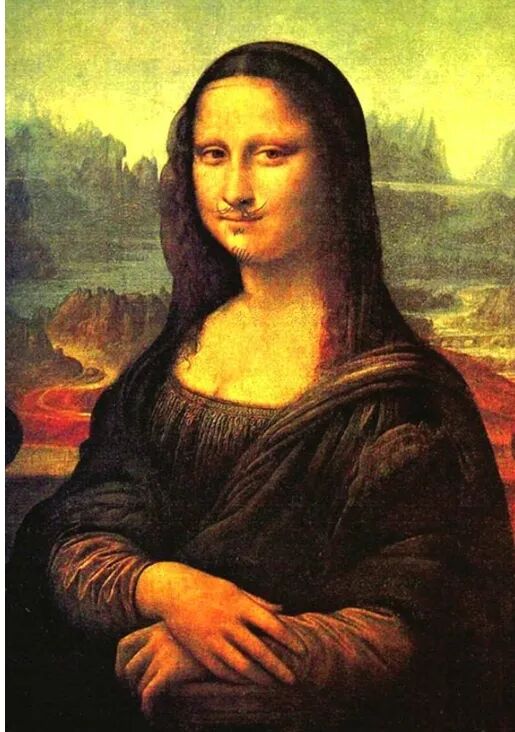
Meanwhile, across the ocean in New York, Duchamp drew a goatee on a replica of the Mona Lisa (L.H.O.O.Q, 1919), dissolving the "sacredness" of art history with a mocking gesture. As audiences roared with laughter, Dada had quietly completed its god-slaying ritual against artistic authority.
The life of this movement was as short and blazing as a firework. In 1924, André Breton published the Surrealist Manifesto, and Dada's nihilism was replaced by Freudian dreamscapes. After the Nazis came to power, Dadaist works were denounced as "degenerate art," and some of its creators died in concentration camps.
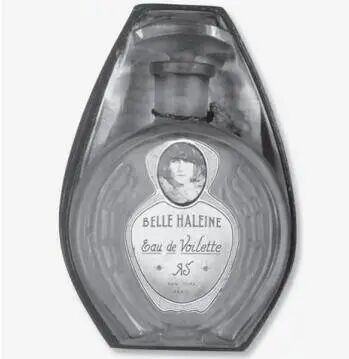
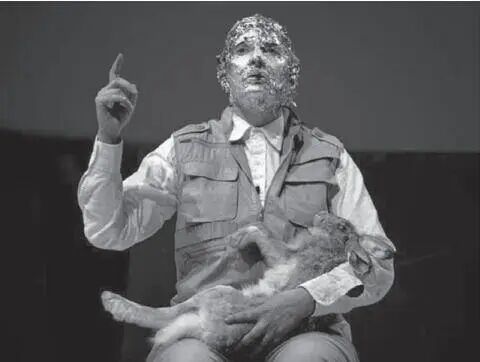
Philosopher Arthur Danto once pinpointed Dada's legacy: "When a urinal becomes art, concept replaces the visual as the new spine of art."
This seemingly manic movement actually expanded the boundaries of art through self-destruction. Today, in an era ruled by algorithms and information overload, the ghost of Dada still whispers: When the world descends into new absurdities, do we still need a meaningless rebellion to regain the courage to define what is real?
Source: acsbooks






Further reading
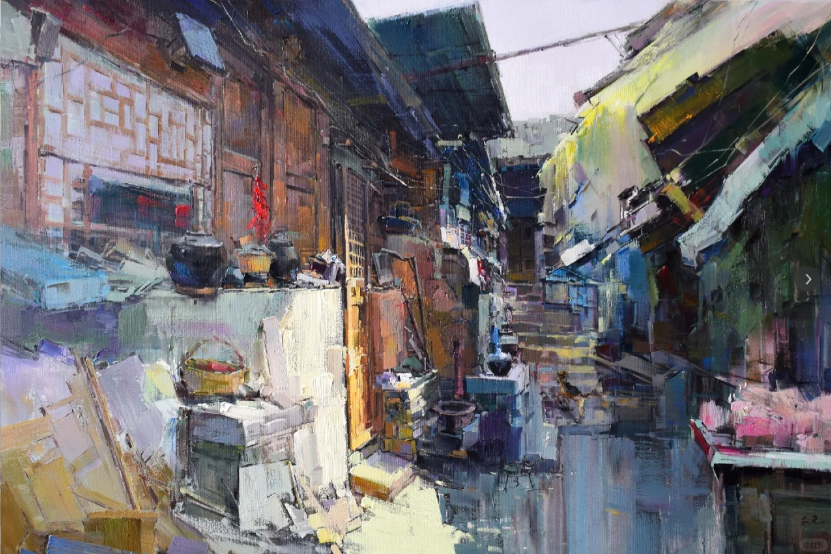
Artist of the Day | Zhao Yanliang
Zhao Yanliang was born in 1986 in Langfang, Hebei Province. He graduated from the Hebei Vocational Art College, pursued advanced studies at the Tianjin Academy of Fine Arts, and graduated from the Advanced Research Class of the Bai Yuping Studio at the Beijing Fine Art Academy in 2020.
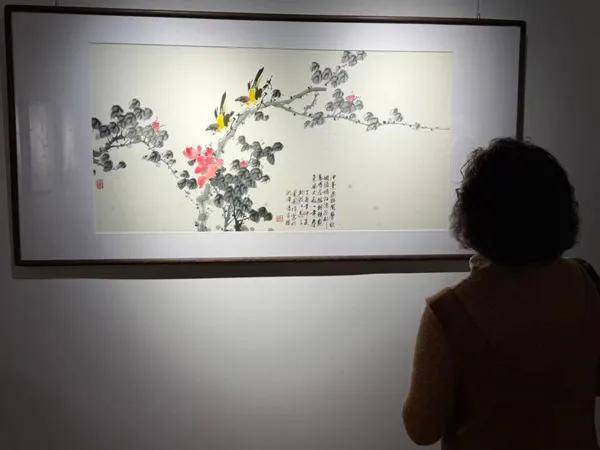
61 Works Showcase an Artistic Quest: "Endless Faint Fragrance – Zeng Jingxiang's Freehand Flower-and-Bird Painting Exhibition" Opens in Xiangtan
The exhibition features 61 of Zeng's freehand flower-and-bird works. It runs until November 21 and is open to the public free of charge.
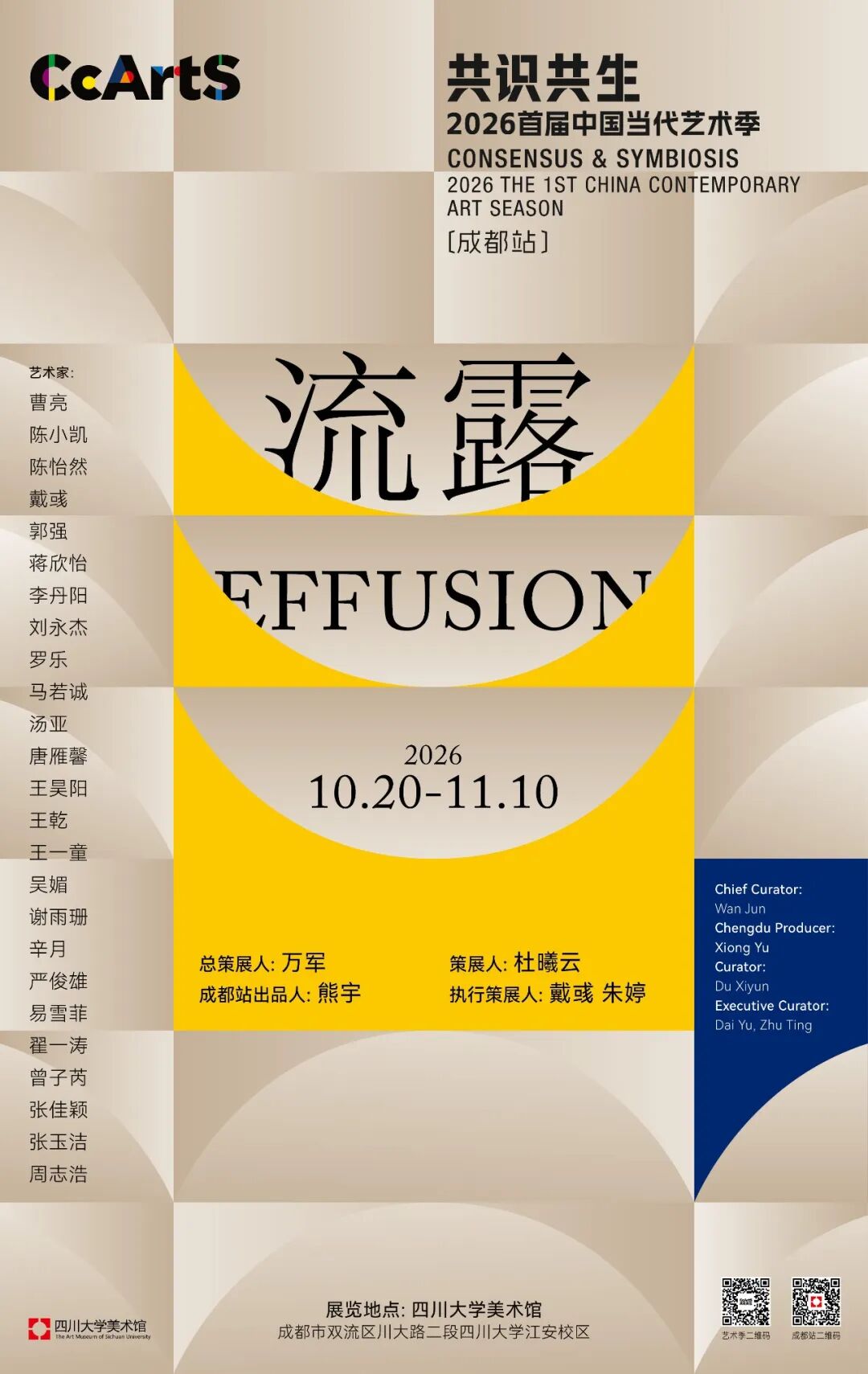
EFFUSION | Consensus and Symbiosis — The 1st Chinese Contemporary Art Season 2026 • Chengdu Station
We are living in an era of highly surplus visual information. Images are produced, disseminated, and reproduced at an unprecedented speed, and artificial intelligence has made image generation even easier. While the tools of expression are multiplying, discovering a truly personal artistic language does not necessarily become any easier.