Artist of the Day | Guo Ziliang
Guo Zi Liang was born in 1964 in Shunde, Guangdong, and graduated from the National Painting Department of Guangzhou Academy of Fine Arts in 1992. He is one of the most recognizable artists…
Guo Ziliang was born in 1964 in Shunde, Guangdong Province, and graduated from the Chinese Painting Department of the Guangzhou Academy of Fine Arts in 1992. Today, he stands as one of the most highly recognizable painters in the field of contemporary Chinese heavy-color (zhongcai) flower-and-bird painting. He currently serves as a professional painter and researcher at the Flower and Bird Painting Institute of the China National Academy of Painting (CNAP), a tutor for CNAP's advanced classes, a National First-Class Artist, a member of the China Artists Association, a council member of the China Gongbi Painting Society, Deputy Director of the Flower and Bird Painting Art Committee, a member of the Chinese Painting Art Committee of the Beijing Artists Association, and a member of the Chinese Painting Society.
His artistic resume features a rather uncommon trait: he was trained in landscape painting but achieved fame in flower-and-bird painting. As he once explained, "In my early years at the art academy, I majored in landscape painting and spent a lot of time studying the brush and ink techniques of freehand (xieyi) painting." He added, "Since graduation, my creation has always oscillated between the meticulous (gongbi) and freehand styles." This self-reflection explains the rare balance found in his later works—the precision of gongbi and the looseness of xieyi coexist harmoniously rather than repelling each other. Furthermore, as a practitioner of calligraphy, he notes, "When creating gongbi paintings, the habits formed in freehand painting inevitably seep in, just as I pay more attention to subtle nuances when painting in the freehand style."
Guo's career trajectory is characterized by a typical "triple jump." After graduation, he returned to Guangdong, working at the Shunde Cultural Center and the Foshan Painting Academy. This Lingnan period provided him with a profound observational foundation of southern vegetation. He later moved north to Nanjing to serve as the Deputy Director of the Flower and Bird Painting Institute at the Jiangsu Provincial Academy of Chinese Painting, before eventually joining CNAP in Beijing. Art critics summarize this journey as a leap "from Lingnan to Jinling, and then to Jinghua (Beijing)." The Guangdong period imbued his work with the bold, natural colors inherent in the Lingnan School; the Nanjing period introduced him to the subtlety of Jiangnan literati painting; and the Beijing period challenged him with contemporary visual schemas. The superimposition of these three cultures forms the underlying foundation of his signature style.
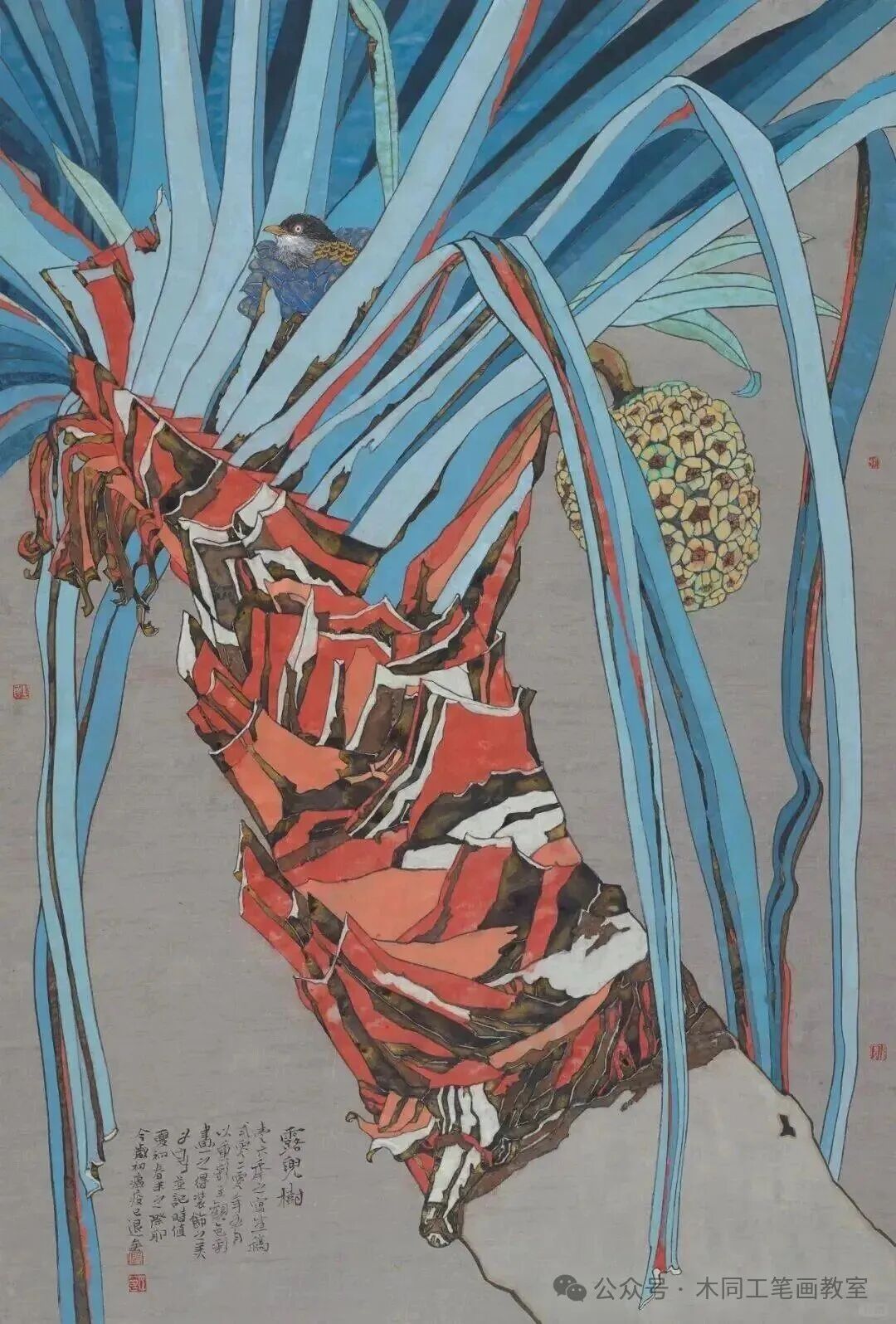
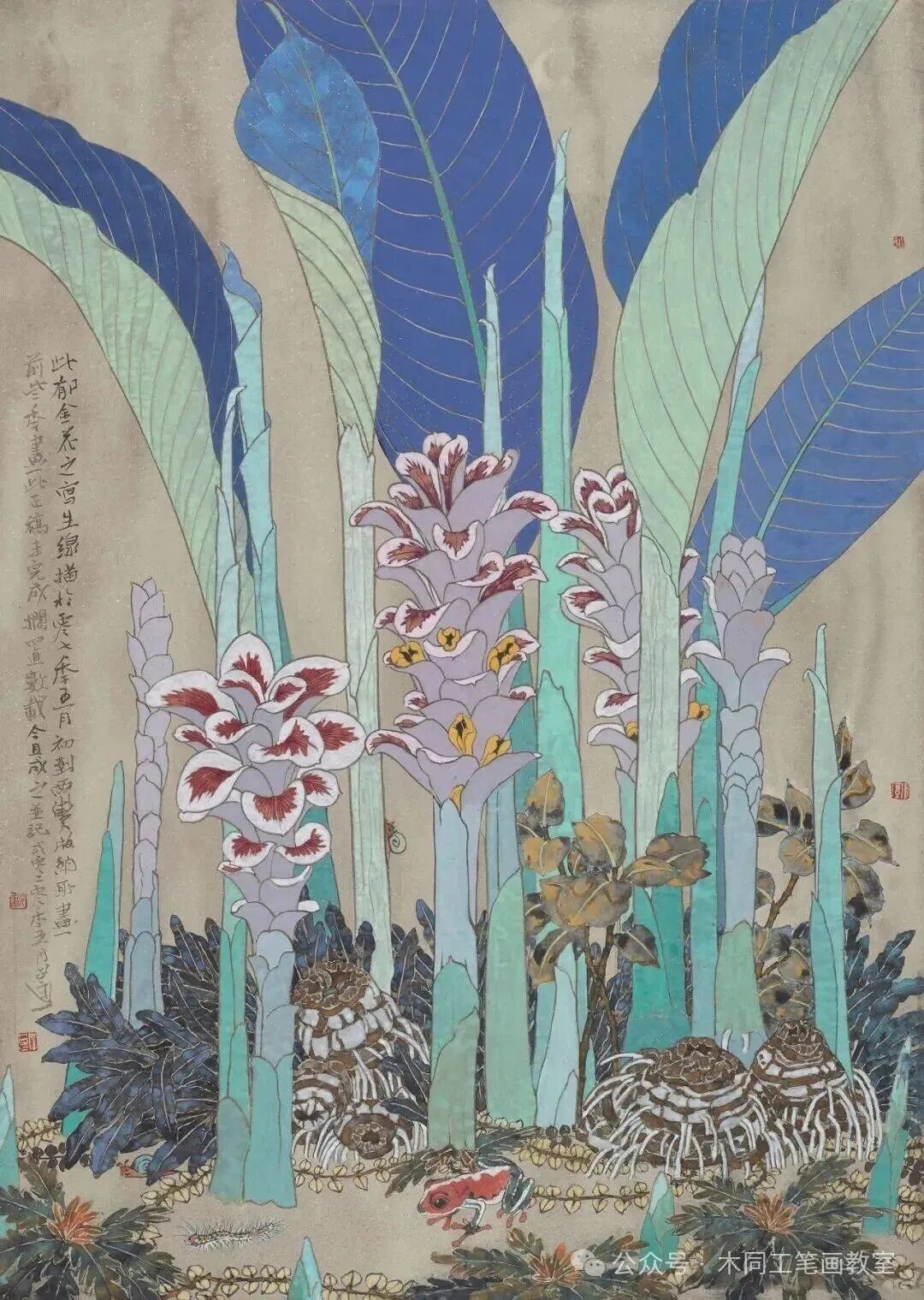
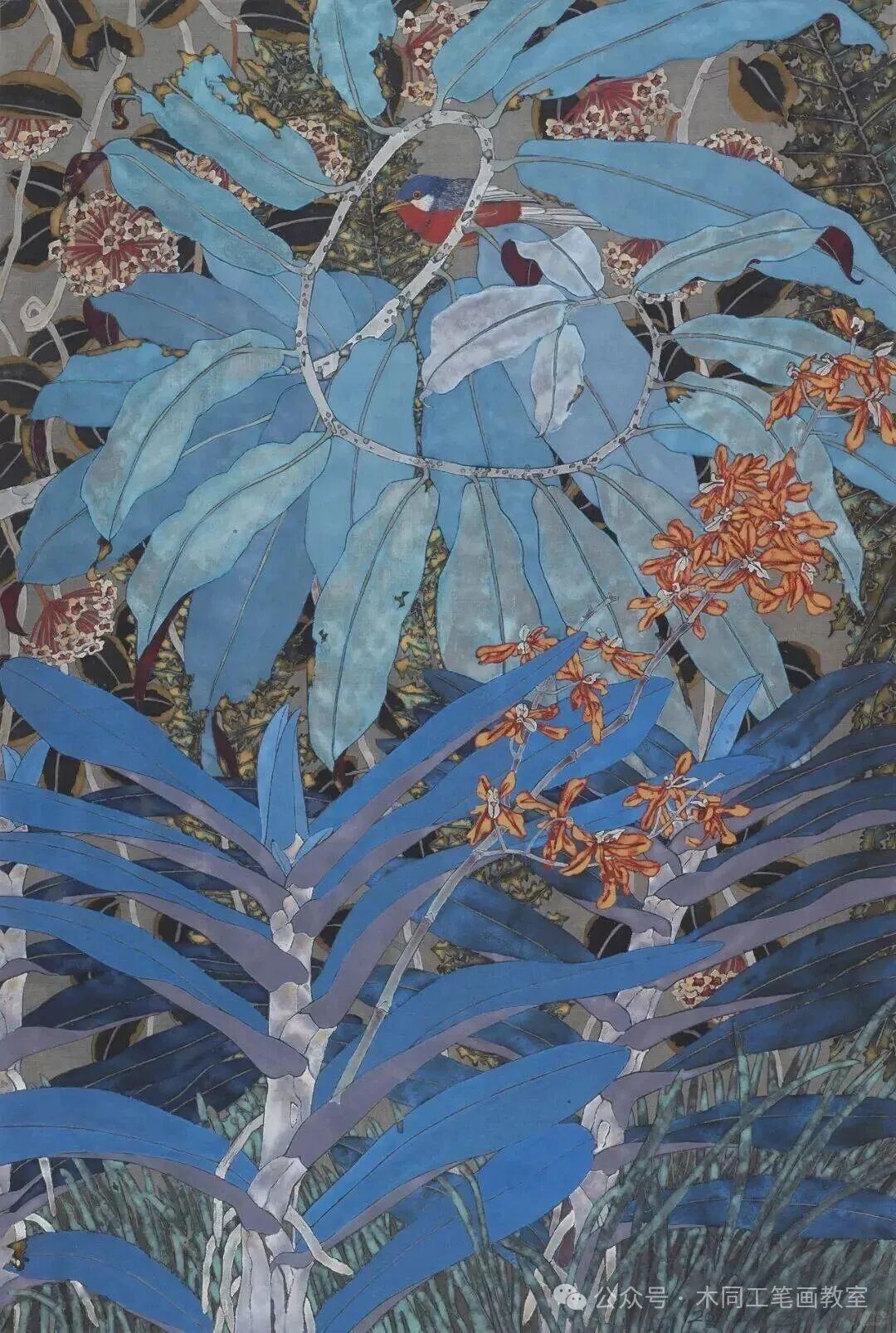
Thematically, the tropical rainforest is Guo’s most iconic motif. During his 2012 solo exhibition at the Wenhan Art Museum in Shunde, the 60-plus featured works were "mostly derived from sketches made in the tropical rainforests of Xishuangbanna, Yunnan, over the past five years." On canvases stretching one to two meters, peacocks, traveler's trees, palms, and golden coconuts burst with vitality. This direction has deepened over time, becoming the core of his "rainforest" motif. He often projects his state of mind onto these verdant jungles, utilizing the lush, almost unattainable southern flora as a medium to express an idealized world rooted in real-life experience.
From September 19 to 30, 2023, CNAP hosted "The Great Way is Not Lonely - 2023 CNAP Invitational Exhibition of Young and Middle-aged Artists: Charm of the Rainforest – Guo Ziliang's Works." The exhibition showcased over a hundred pieces created over the past decade across five series: heavy color, light color, villages, contemporary ink, and ceramics. The opening ceremony was attended by prominent academic figures such as Wang Wenzhang, Shao Dazhen, and Yang Xiaoyang, highlighting his high level of institutional recognition. On March 14, 2024, he generously donated 20 works to the CNAP Art Museum. In 2025, he donated another series of water-town-themed works to his hometown. Using this donation as a narrative starting point, the Shunde District Museum hosted the exhibition "Boundless Walker: Guo Ziliang's 40 Years of Art Exploration" from April 21 to August 16, 2026, and invited him back to deliver a lecture for the "Shunbo Lecture Hall."
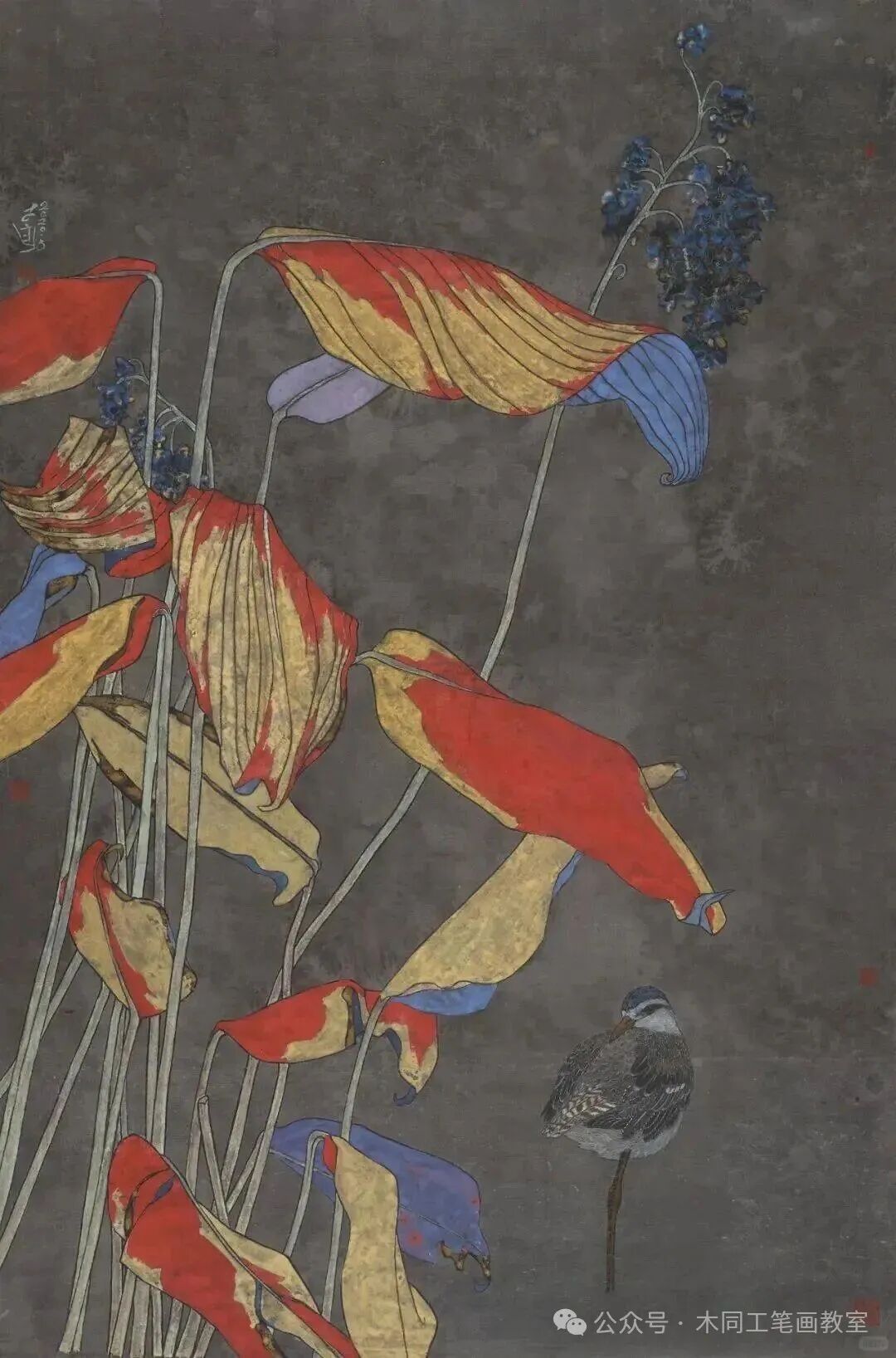
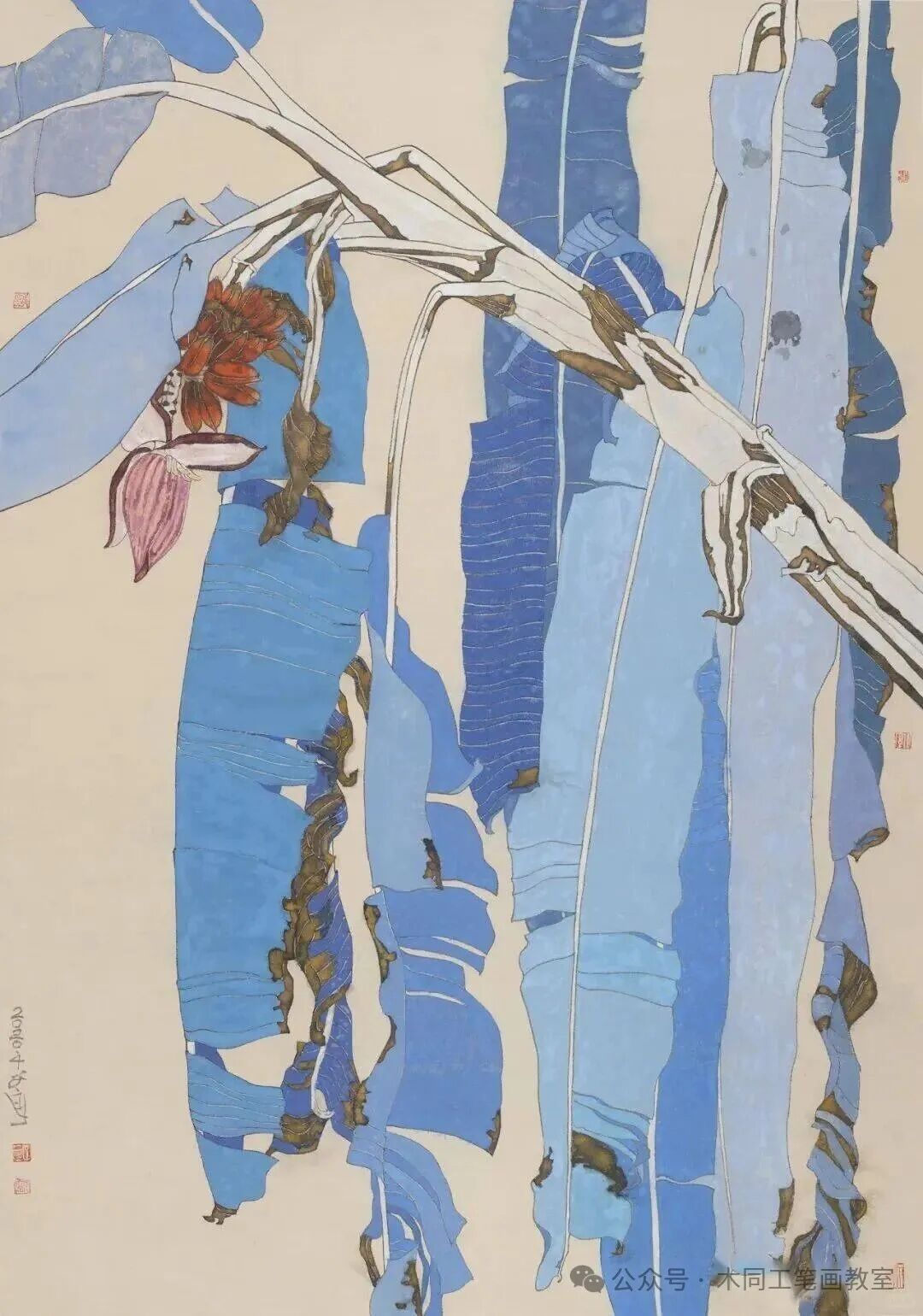
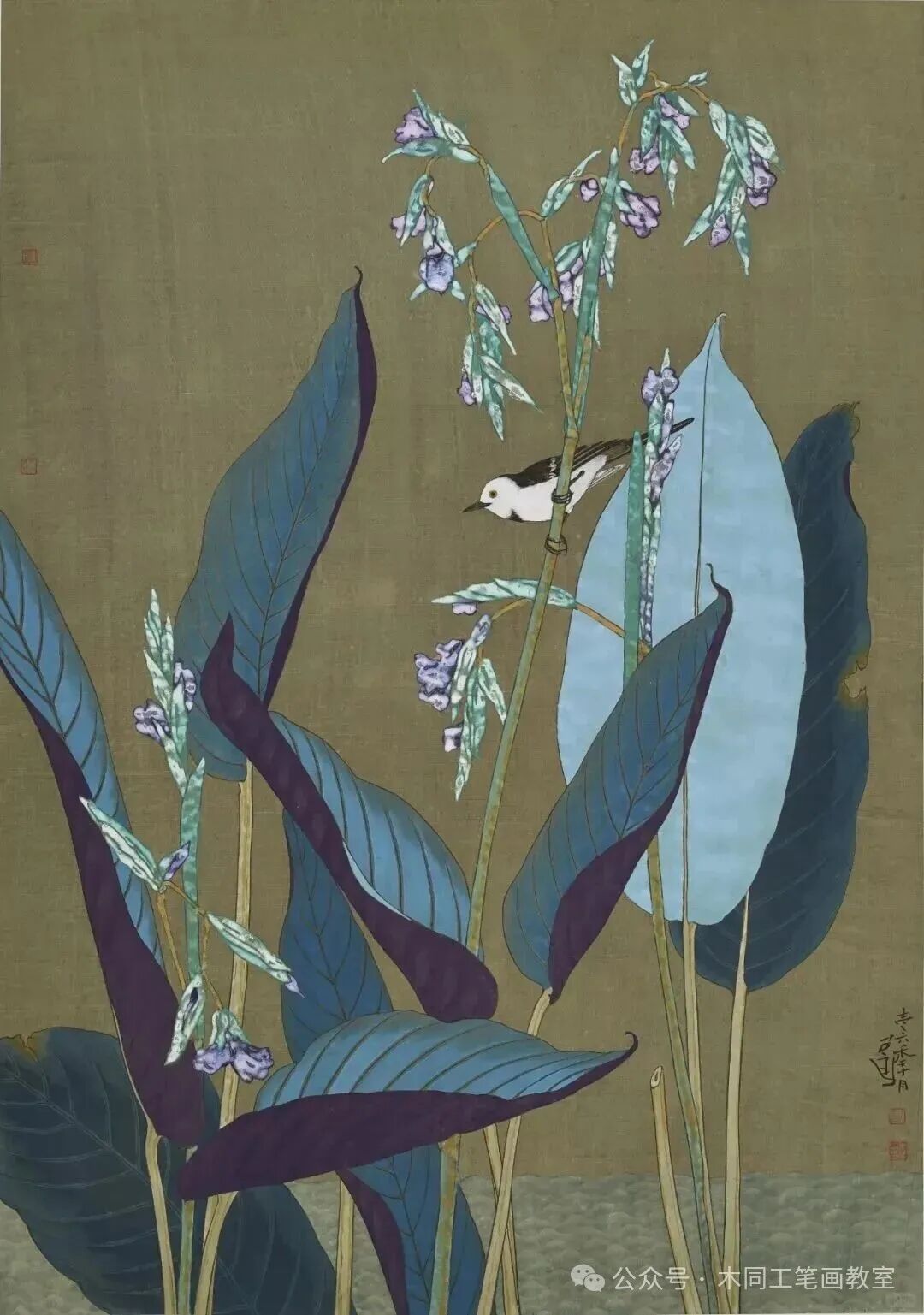
Stylistically, critics have provided highly specific analyses of his work. A special feature in the Sina Collection pointed out his mastery of using color modeling and compositional schemas to present a spiritual homeland where natural ecology and humanistic ideals intertwine. His works reveal "a pictorial context that is lush yet pure, passionate yet tranquil, colorful yet elegant, rich yet detached." In terms of texture, the flora and backgrounds in his paintings always feature mottled brushstrokes that complement the structural composition—"seemingly arranged according to certain rules, yet never falling into rigid, formulaic symbols." He extracts essential elements from the vivid forms of natural plants, processing them through techniques such as dotting, lining, planing, accumulating, dyeing, and taking rubbings, ultimately forging a highly expressive textural language.
His use of color is perhaps his most acclaimed attribute. While his works are generally realistic, he redesigns colors sourced from nature, applying "an effect akin to stage lighting." He overlays the entire canvas with a subtle warm glow and lowers the saturation, resulting in a visual experience that is "warm but not dry, grey but not dull, mellow but not gaudy, magnificent but not vulgar." Critics have used a vivid metaphor for his art: "It is as robust and sweet as homemade rice wine brewed by villagers, yet as romantic and refined as lyrical poetry."
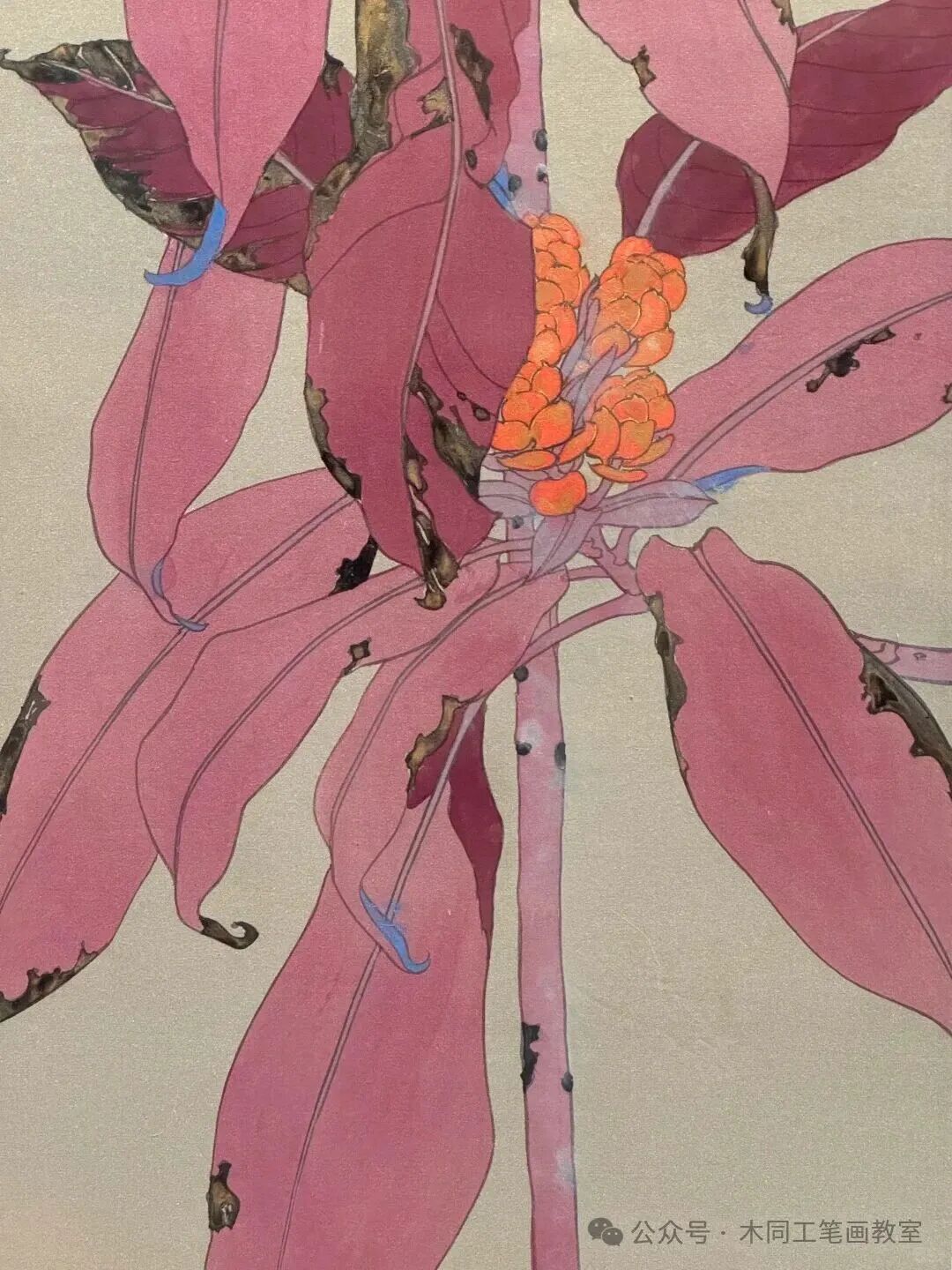
In recent years, Guo’s artistic exploration has noticeably expanded into multimedia. In 2025, while serving as the academic director for the "Jiangxi on Porcelain" art exhibition in Nanchang, he stated that when painting on porcelain, "one must study the material characteristics of ceramics and find suitable subjects, while also considering its global aesthetic appeal and the contemporary nature of its artistic concepts." Regarding traditional resources, he frankly admits that in large freehand flower-and-bird painting, he is "most deeply influenced by Bada Shanren," an influence that has persisted since his youth. The official CNAP biography currently describes his direction as "dedicated in recent years to creating contemporary schemas and colors in heavy-color flower-and-bird painting, while exploring various media such as modern ink and modern porcelain painting." His 2026 new works, Blue Mandala and Red Rose (both 60×60 cm, hemp paper and mineral pigments/rock colors), mark a complete shift toward the rock color medium. To young painters, he offers eight simple words of advice: "Travel more, observe more, think more, paint more."
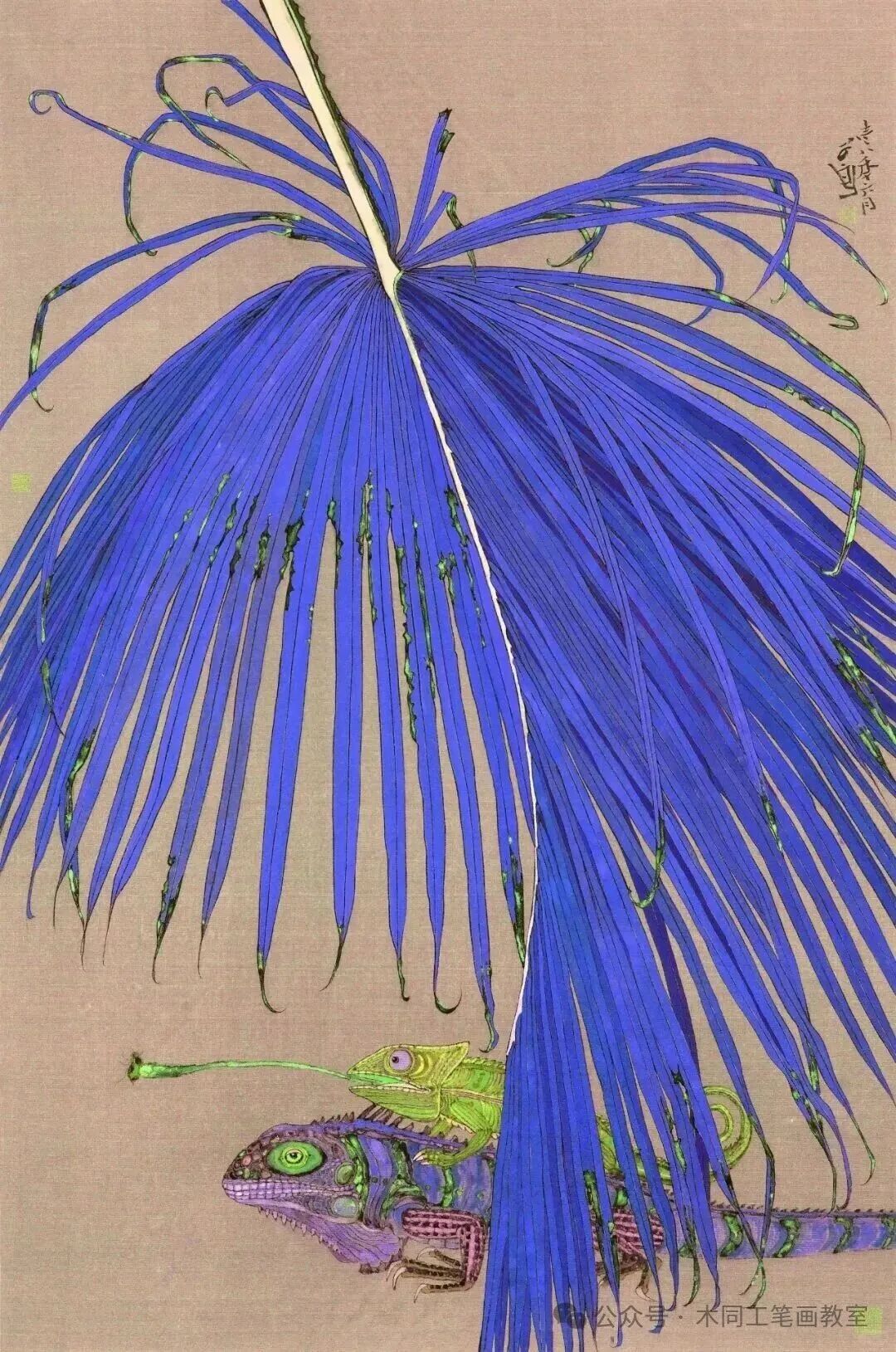
Guo Ziliang's true contribution lies in elevating "heavy-color gongbi" from a mere technical category to a carrier of contemporary visual schemas. Critics accurately summarize that he "painted the lush vitality of southern rainforests into a contemporary mental imagery equipped with both decorative appeal and freehand spirit." His path diverges from both purely conservative academic gongbi and concept-driven experimental ink, residing instead in a space of meticulous, long-term refinement between the two. The point of discussion now is that the tropical rainforest theme, while bringing him success, has also formed a thematic limitation. Whether his recent expansions into mineral pigments and porcelain painting can forge a second visual language of equal weight to his rainforest series remains to be seen.
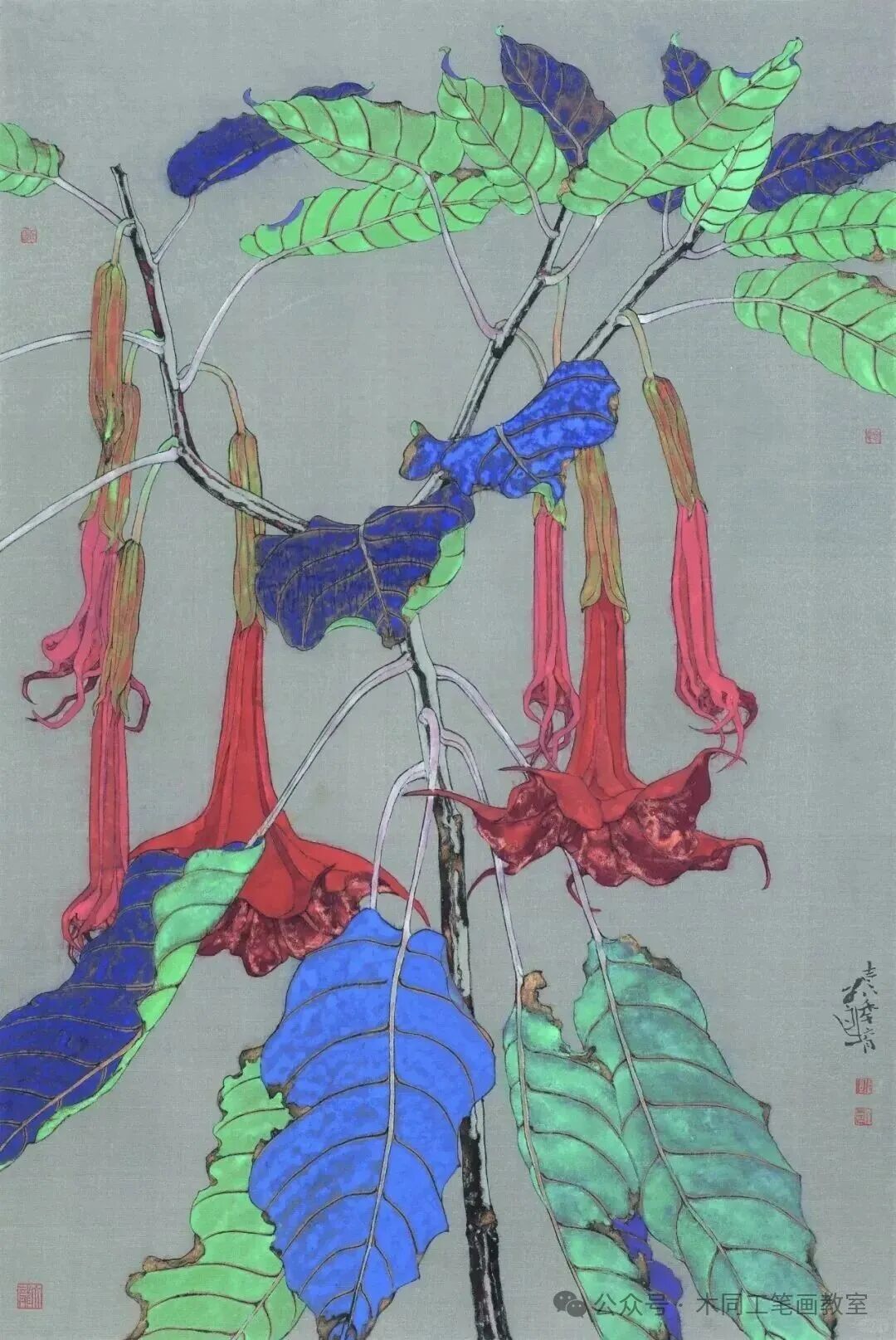
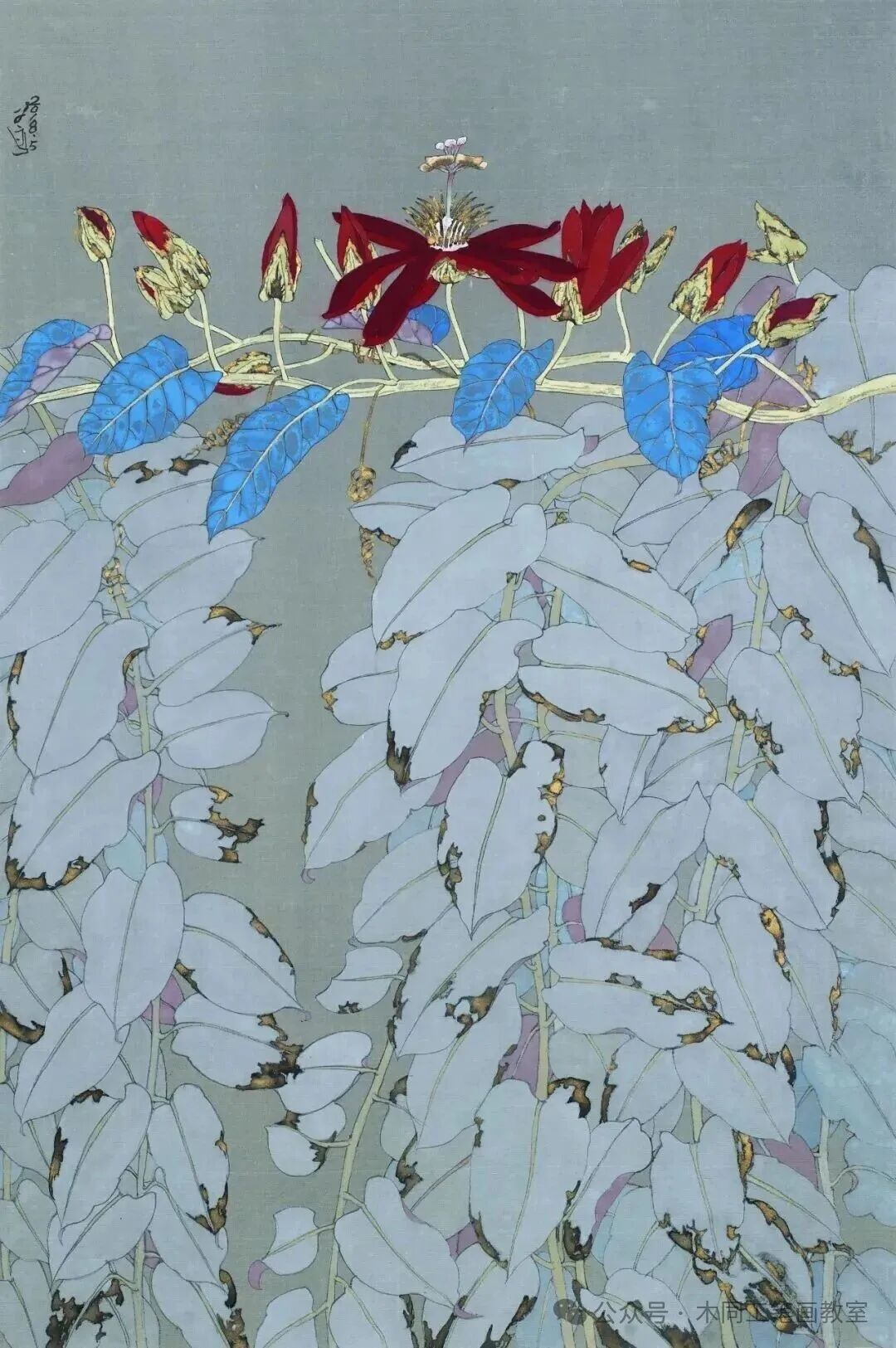
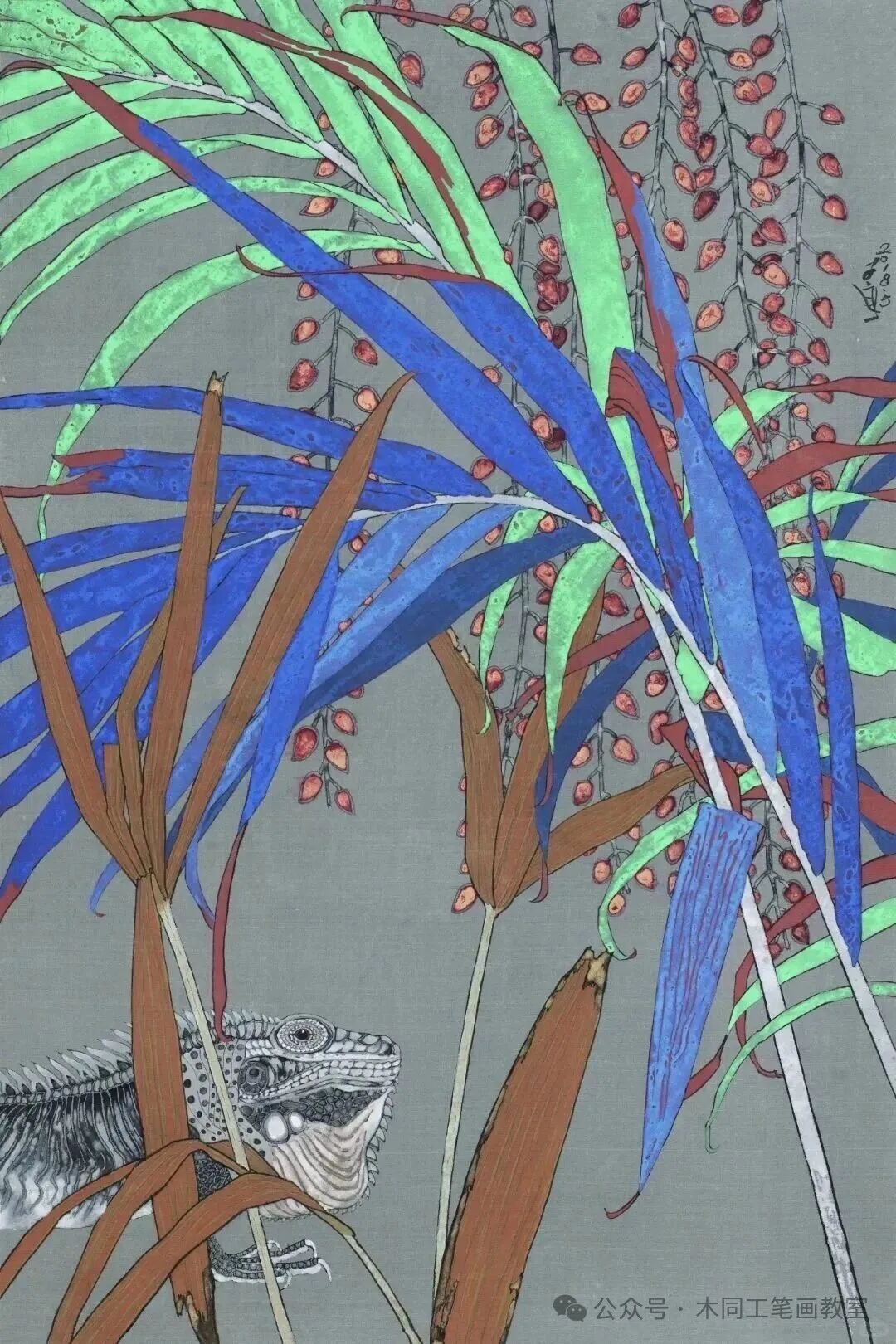
Source: 木同工笔画教室
Further reading
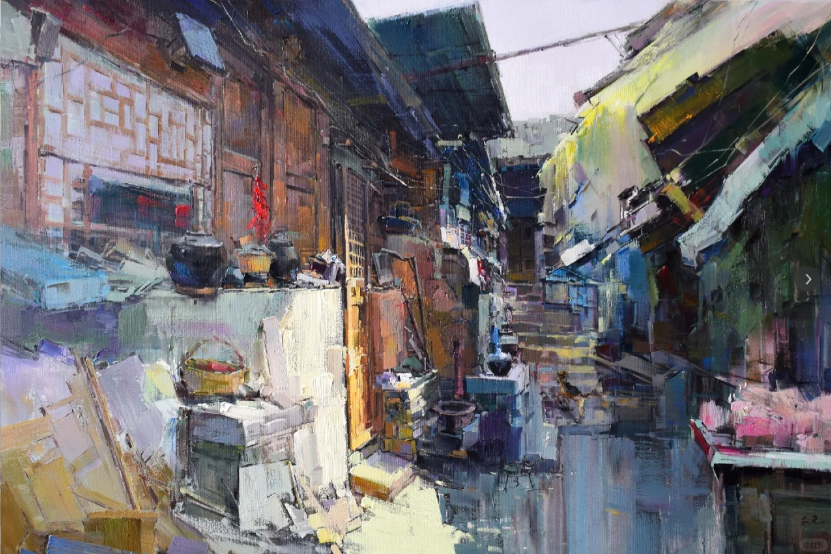
Artist of the Day | Zhao Yanliang
Zhao Yanliang was born in 1986 in Langfang, Hebei Province. He graduated from the Hebei Vocational Art College, pursued advanced studies at the Tianjin Academy of Fine Arts, and graduated from the Advanced Research Class of the Bai Yuping Studio at the Beijing Fine Art Academy in 2020.
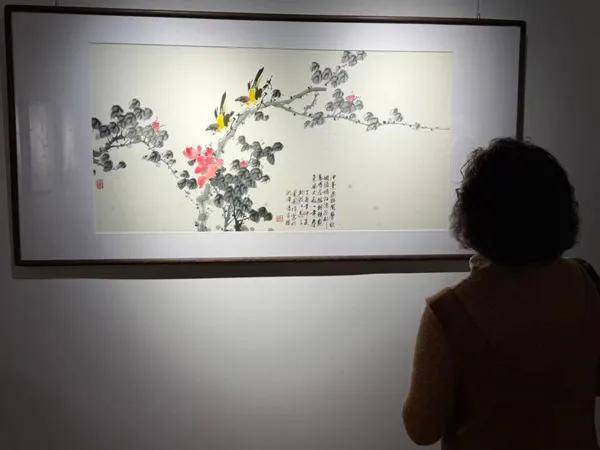
61 Works Showcase an Artistic Quest: "Endless Faint Fragrance – Zeng Jingxiang's Freehand Flower-and-Bird Painting Exhibition" Opens in Xiangtan
The exhibition features 61 of Zeng's freehand flower-and-bird works. It runs until November 21 and is open to the public free of charge.
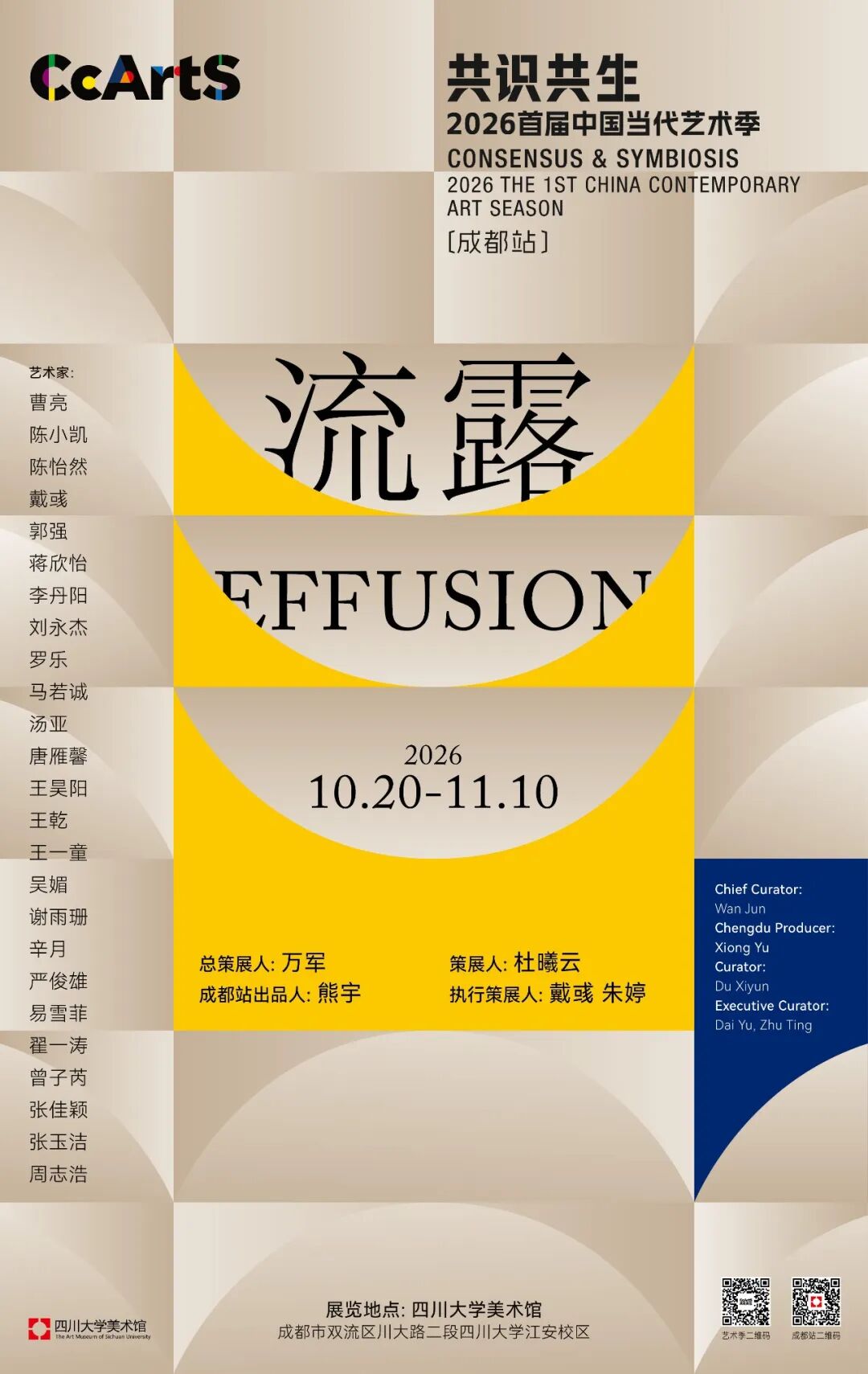
EFFUSION | Consensus and Symbiosis — The 1st Chinese Contemporary Art Season 2026 • Chengdu Station
We are living in an era of highly surplus visual information. Images are produced, disseminated, and reproduced at an unprecedented speed, and artificial intelligence has made image generation even easier. While the tools of expression are multiplying, discovering a truly personal artistic language does not necessarily become any easier.