One day an artist - La Trung Lap
Luo Zhongli is a Chinese contemporary oil painter, born in 1948 in Chongqing. In 1977, he was admitted to the Oil Painting Department, Sichuan Academy of Fine Arts; 1982 was good…
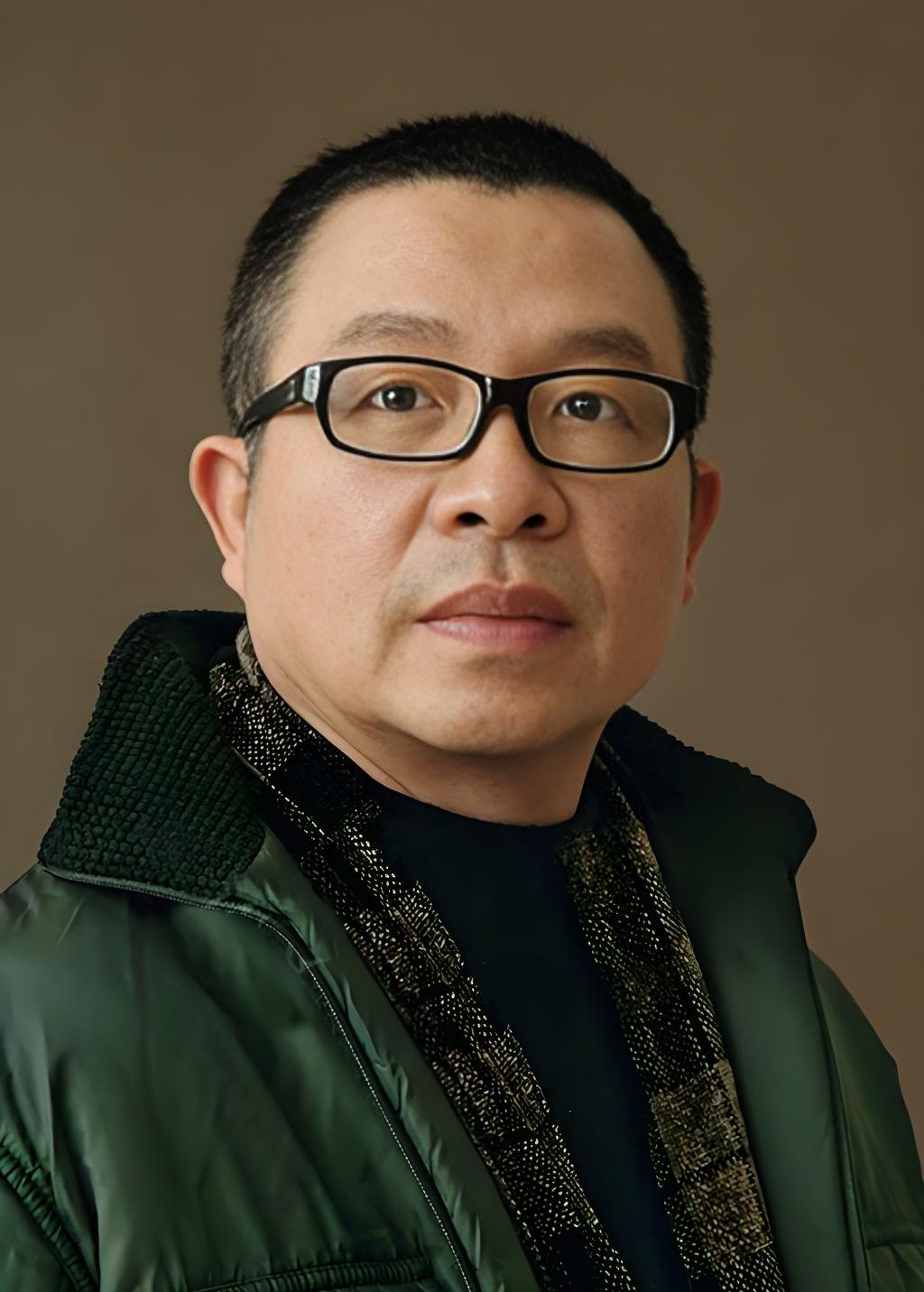
Luo Zhongli is a Chinese contemporary oil painter born in Chongqing in 1948. In 1977, he was admitted to the Oil Painting Department of the Sichuan Fine Arts Institute (SFAI). After graduating in 1982, he stayed on as a faculty member. In 1984, he went to study at the Royal Academy of Fine Arts Antwerp in Belgium and returned to China to teach in 1986. He has previously served as the President of the Sichuan Fine Arts Institute and Vice Chairman of the China Artists Association.
His academic and creative career has been closely intertwined with China's social transitions. He spent his youth at the Affiliated High School of SFAI and was later sent down to do manual labor in the Daba Mountains during the "Cultural Revolution." This rural experience had a profound influence on his later artistic creations. Following the restoration of the National College Entrance Examination in 1977, he successfully enrolled in the Oil Painting Department of SFAI.
01. Evolution of Artistic Style
1. Realism Period (Late 1970s - Early 1980s)
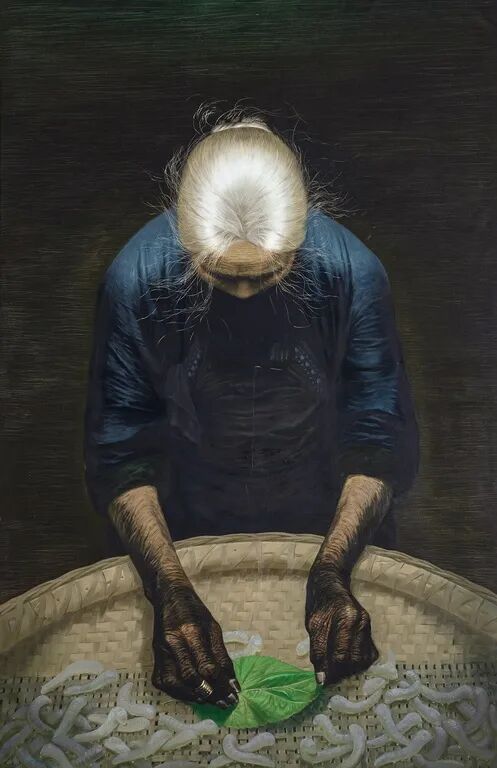
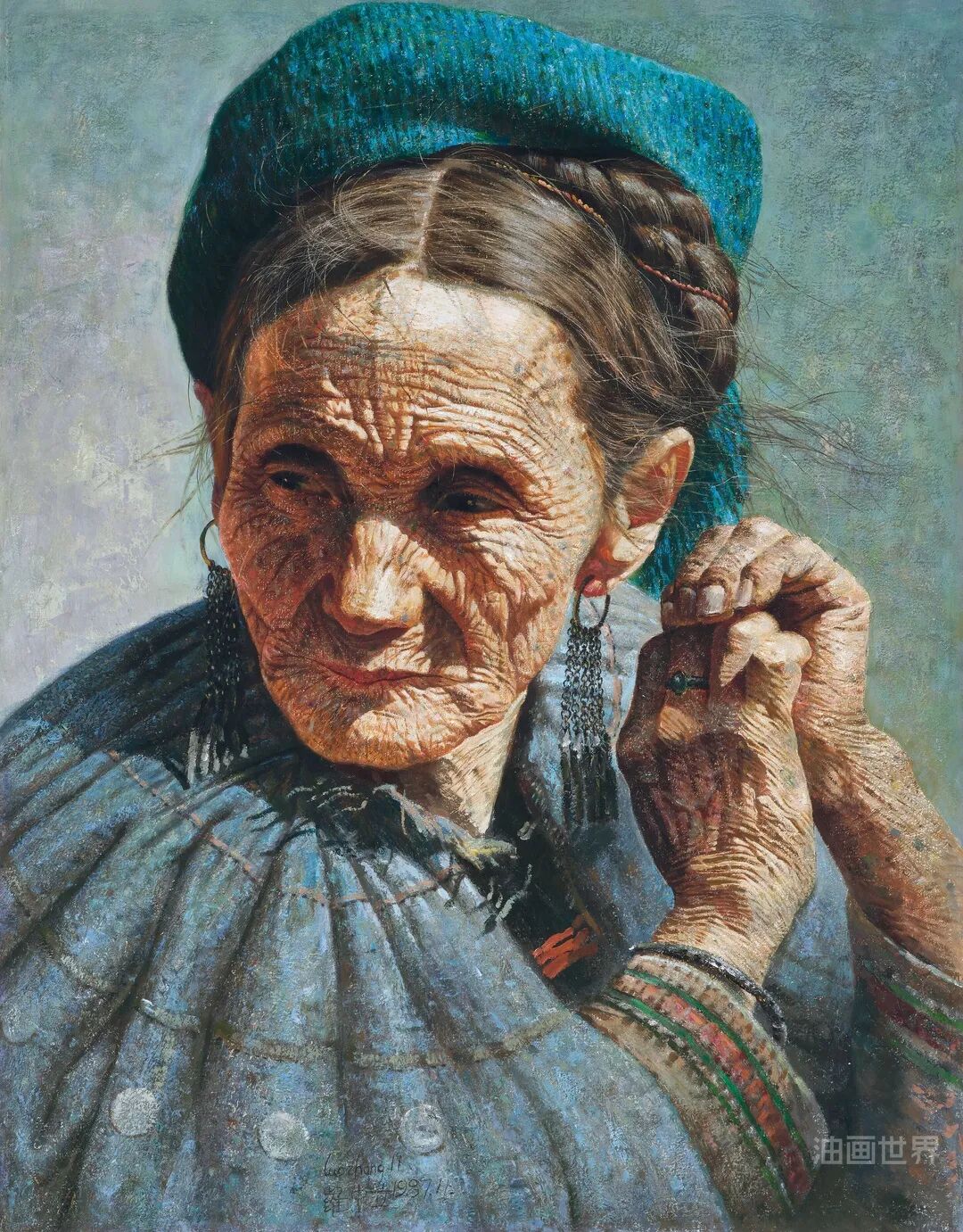
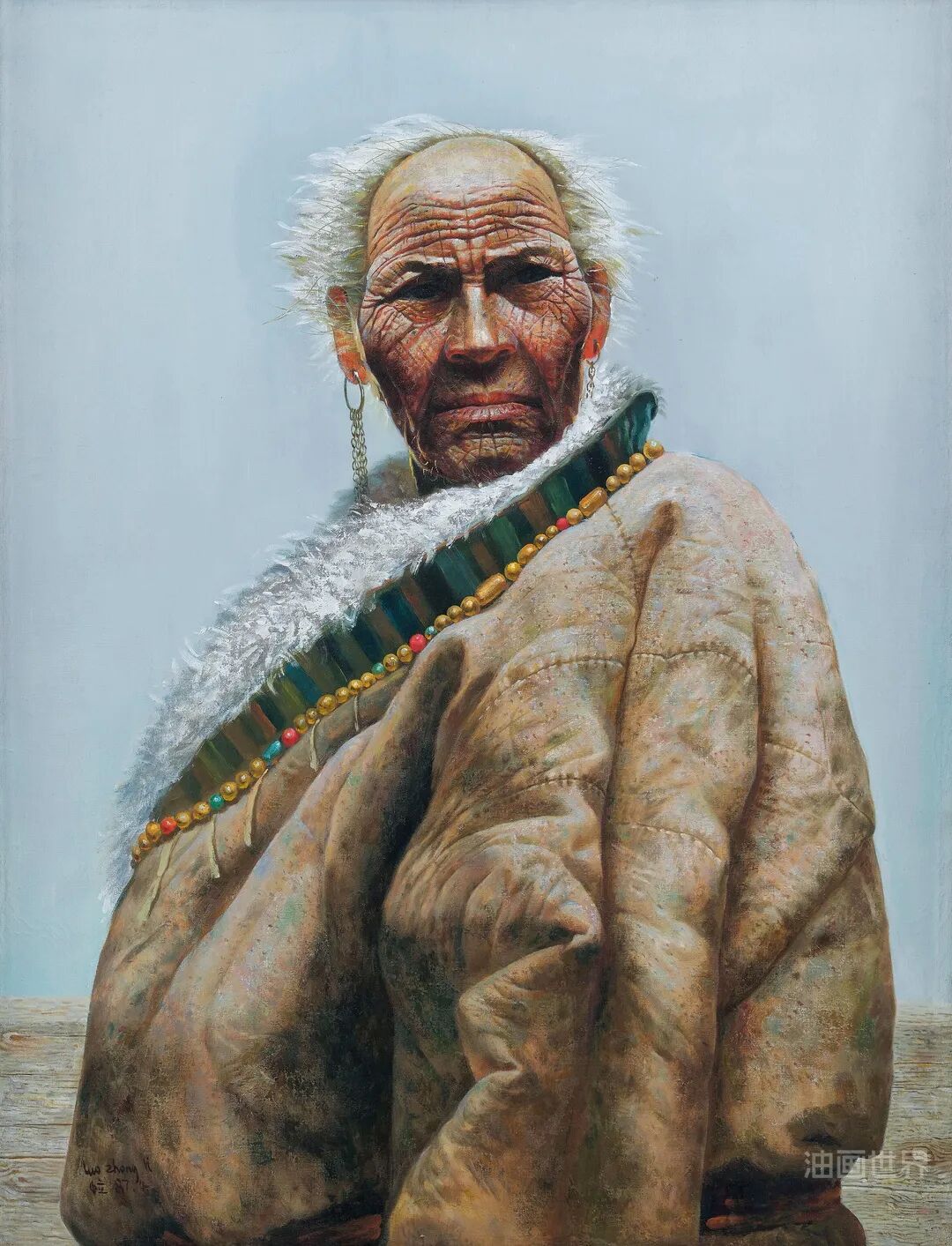
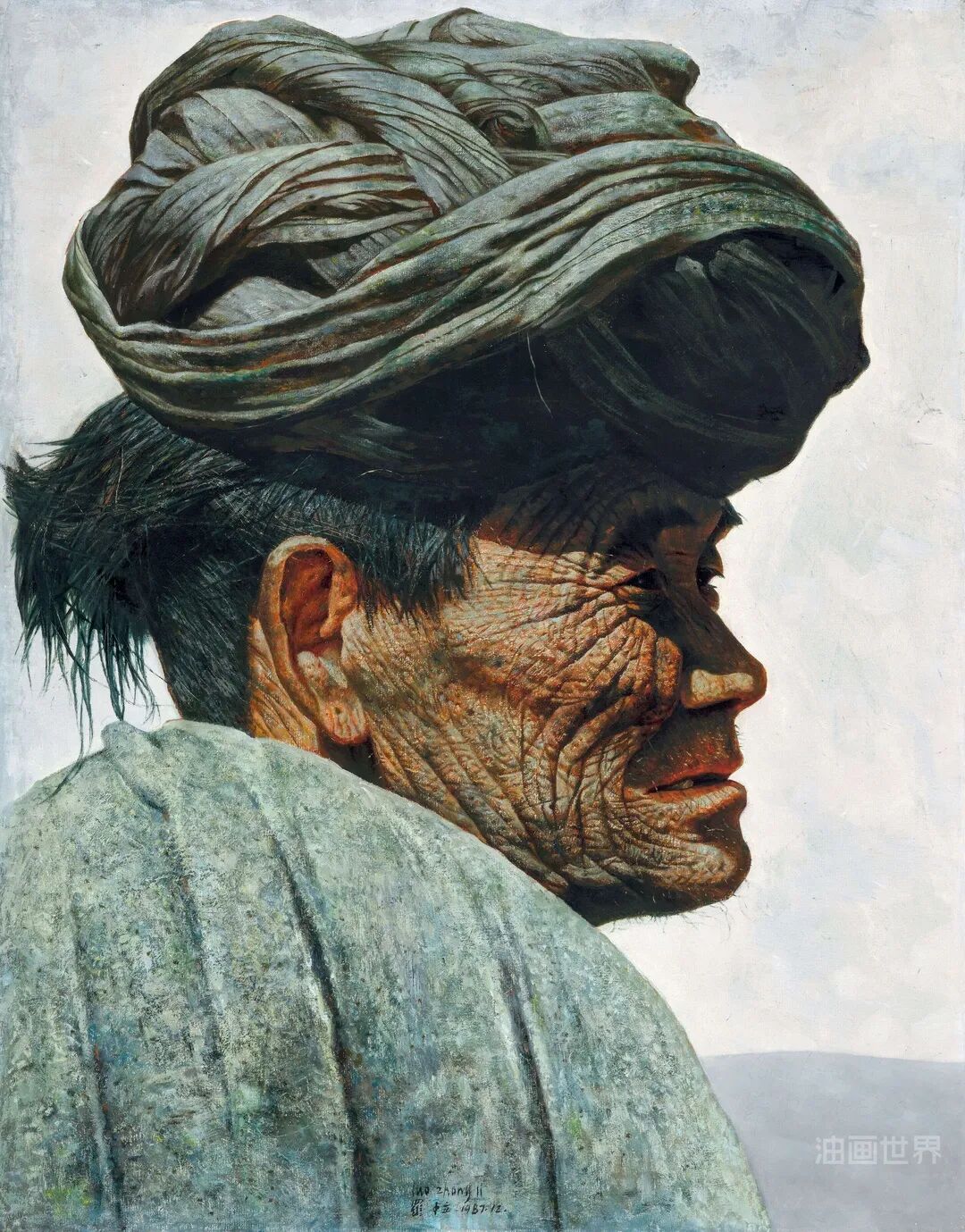
Represented by his masterpiece "Father", this stage adopted hyper-realistic techniques to meticulously depict the image of ordinary Chinese peasants. His works from this period are full of humanitarian care and social critical awareness, expressing respect and compassion for ordinary people by portraying the hardships of peasant life.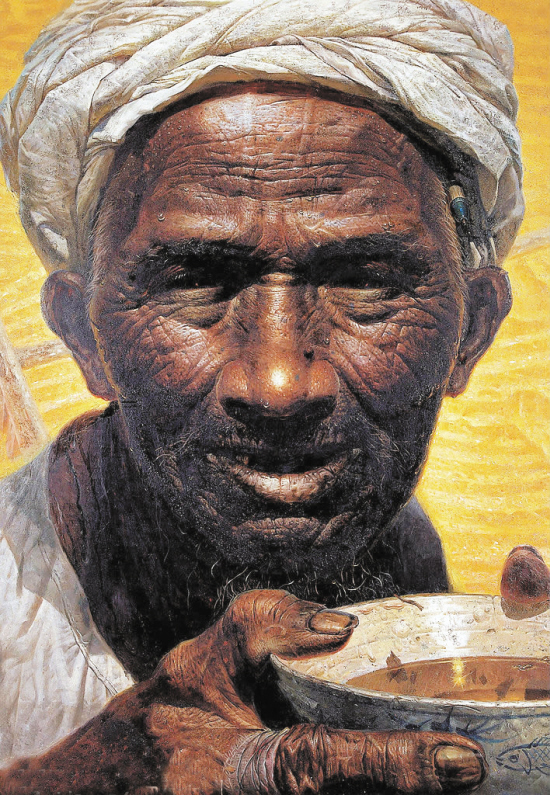
2. Expressionism Exploration Period (Mid-1980s - 1990s)
After returning from his studies in Europe, Luo Zhongli's style shifted towards Expressionism. The aesthetic realism of his early days was gradually replaced by an expressive approach that emphasized intuition and painterly brushwork.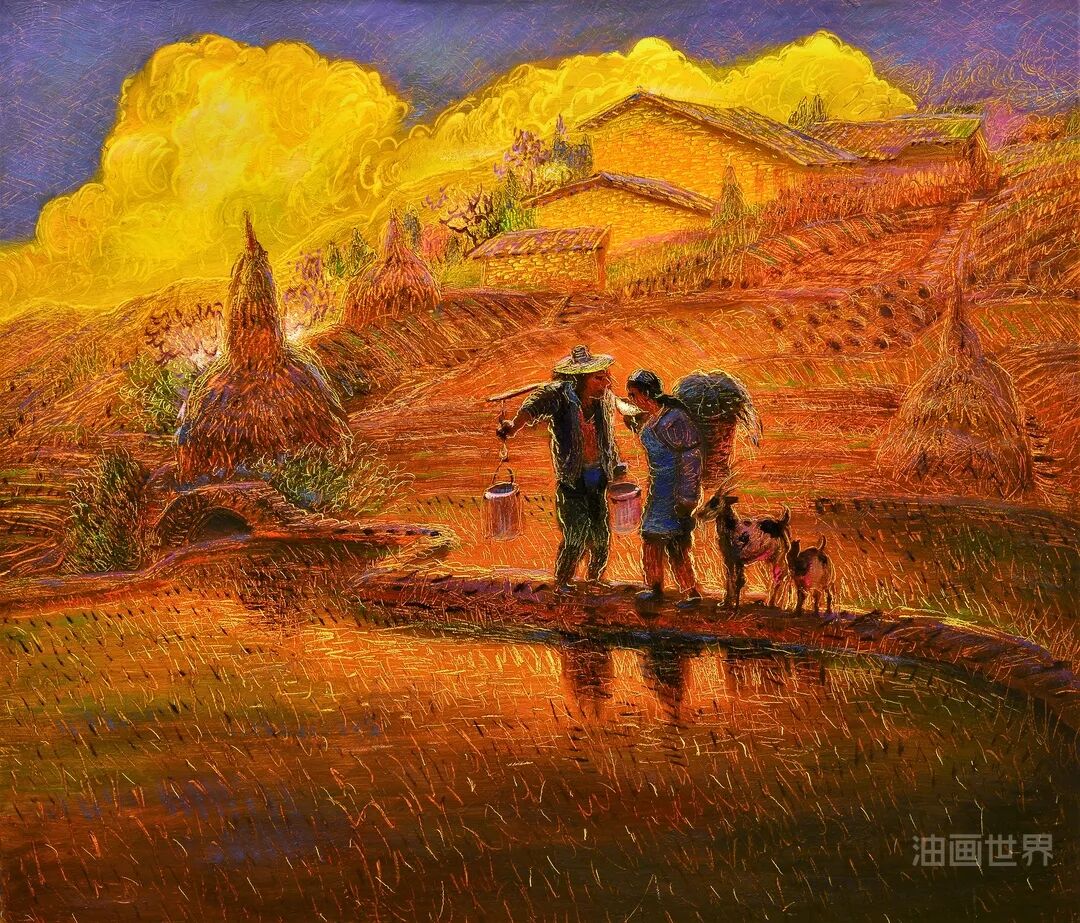
03. Diverse Exploration Period (2000s - Present)
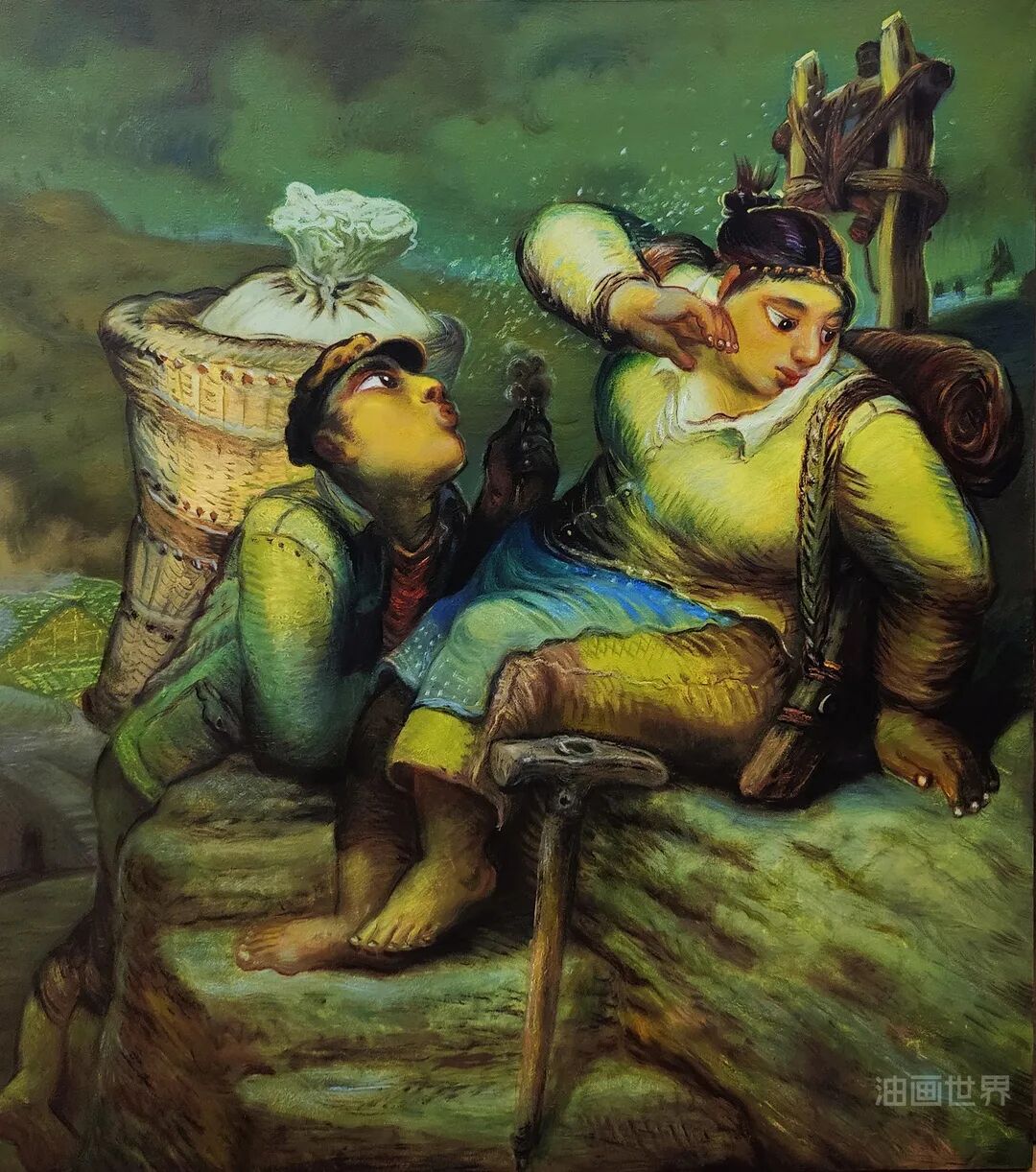
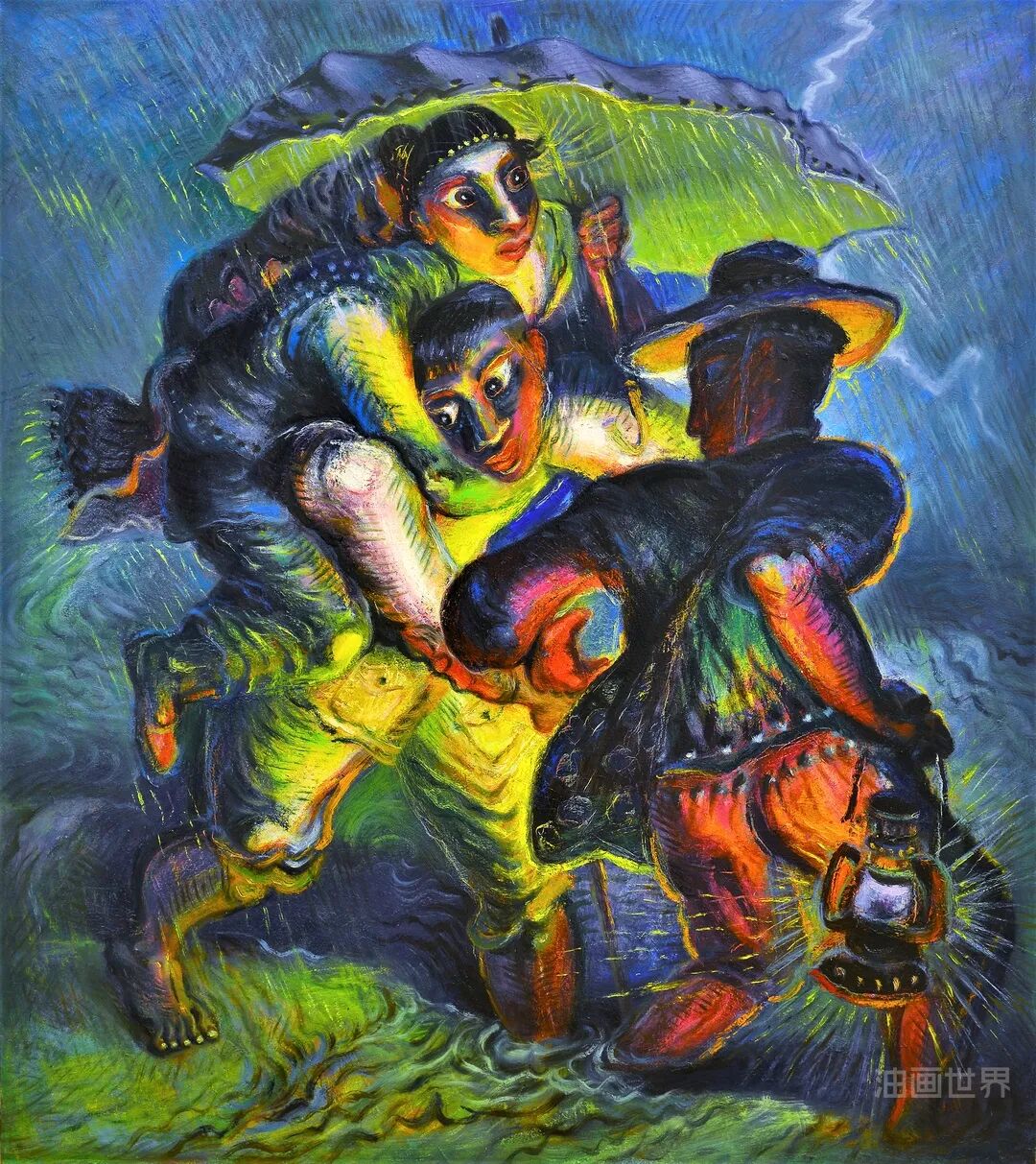
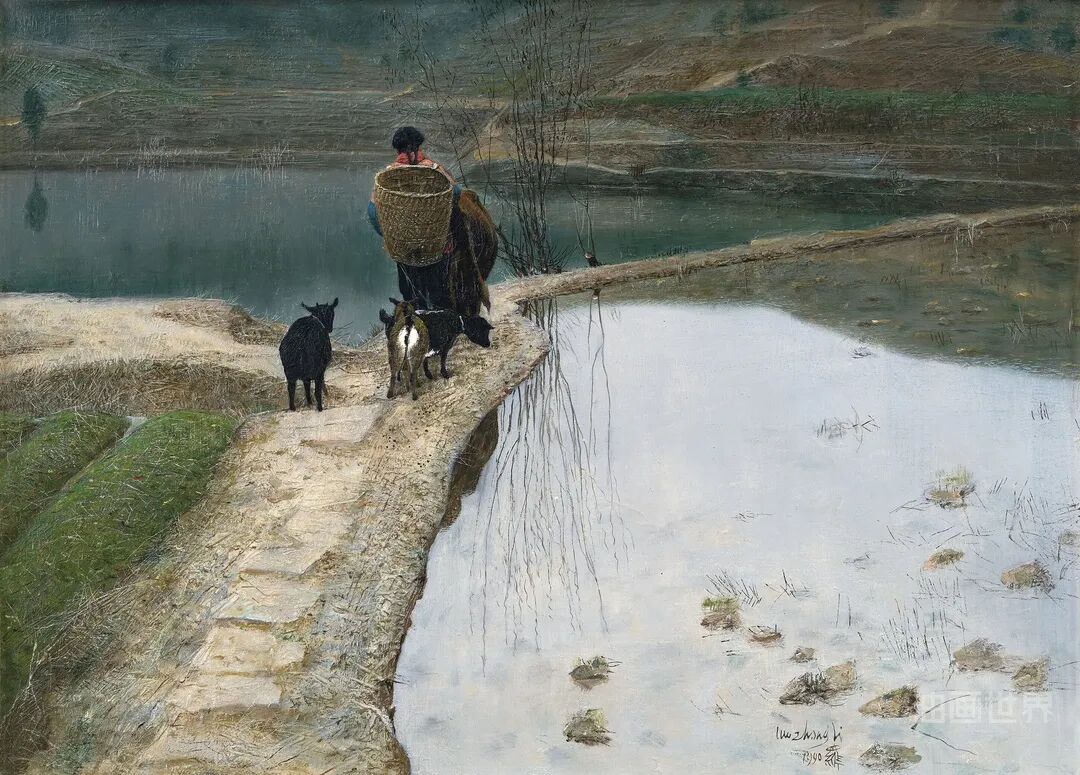
During this stage, Luo transformed rural subjects into semi-abstract rough lines and magnificent colors, incorporating elements of traditional Chinese folk art. His color palette evolved from deep and restrained to bright and airy, leading to creations like the "Crossing the River" series.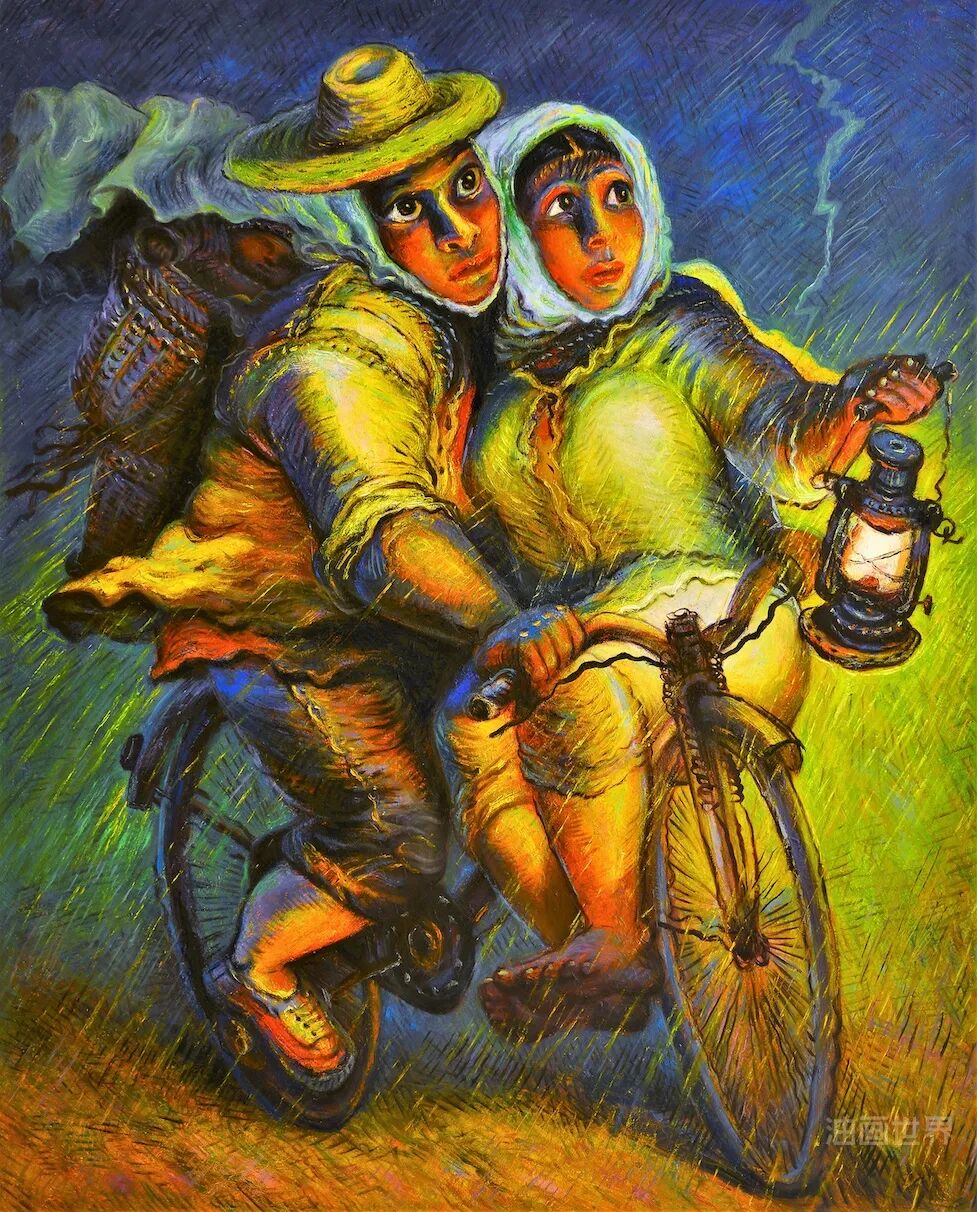
02. Artistic Themes and Concepts
1. Peasants and Rural Sentiment
2. Sino-Western Art Dialogue
3. Ode to Vitality
03. Representative Works
"Father": A monumental milestone in the history of Chinese contemporary art. Based on the prototype of Deng Kaixuan, a villager from Sima Town, Pingchang County in Sichuan, this painting generates a tremendous visual impact through its massive scale and hyper-realistic techniques, profoundly capturing the resilience and sacrifices of Chinese peasants.
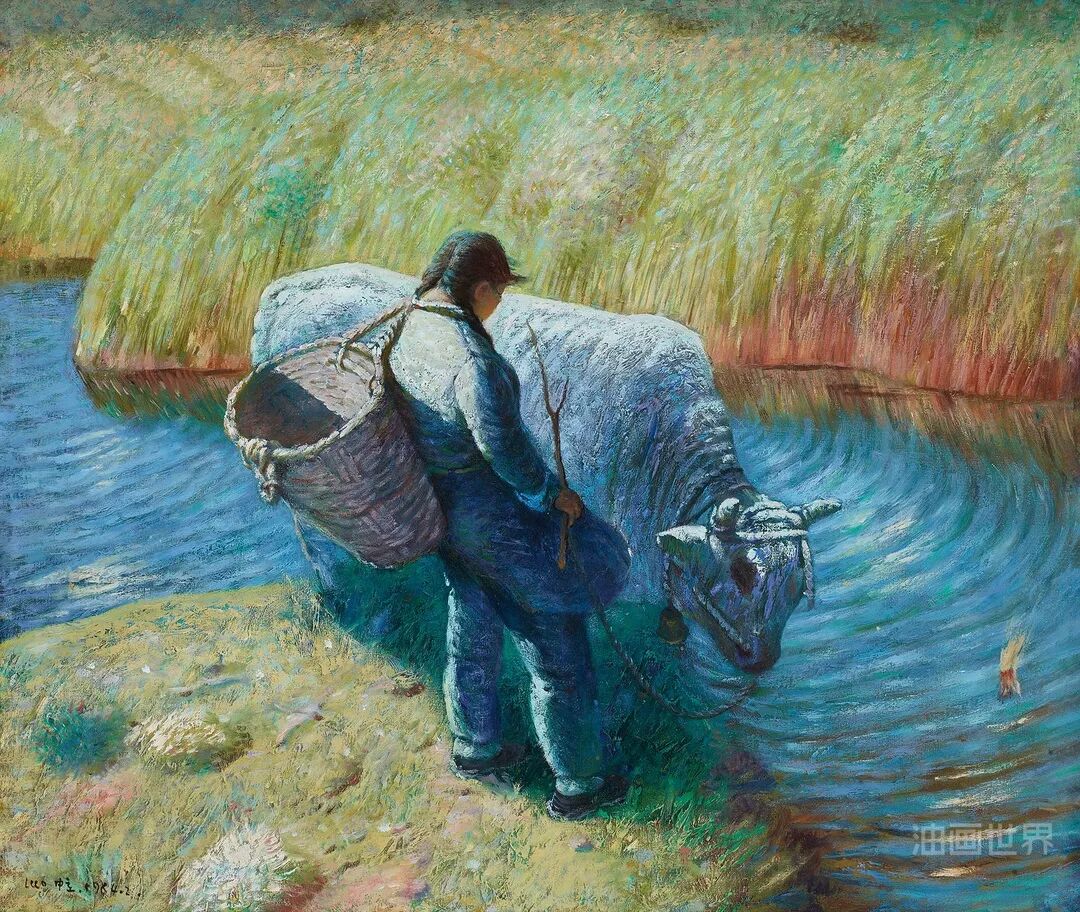
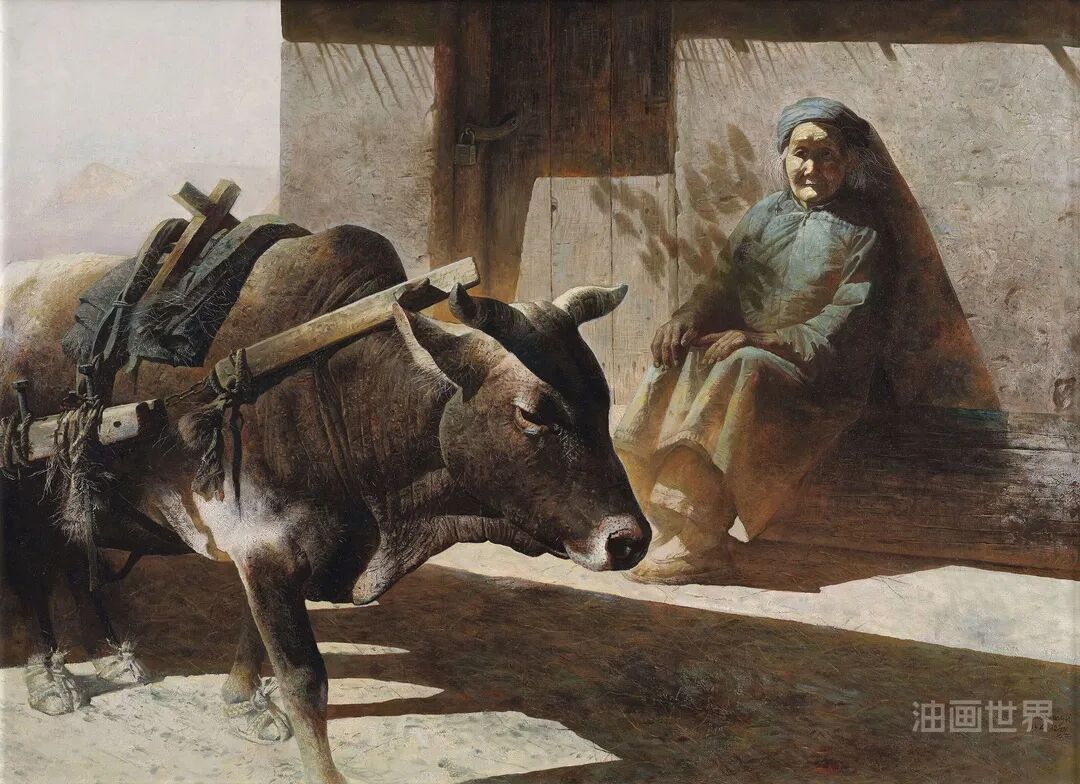
"Hometown" Series, "Crossing the River" Series, "Daba Mountain Peasant Family": These works continue his focus on the lives of peasants in the Daba Mountains, depicting the daily routines, emotions, and vitality of rural life from various perspectives.

Further reading
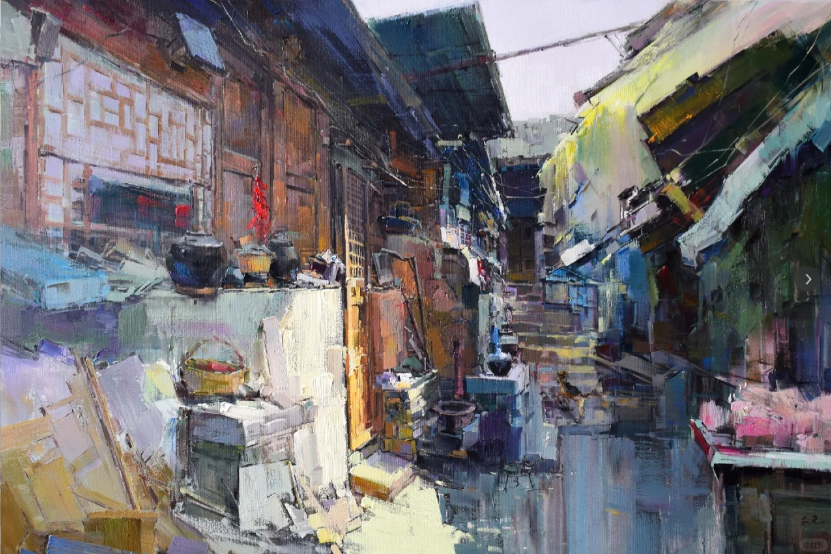
Artist of the Day | Zhao Yanliang
Zhao Yanliang was born in 1986 in Langfang, Hebei Province. He graduated from the Hebei Vocational Art College, pursued advanced studies at the Tianjin Academy of Fine Arts, and graduated from the Advanced Research Class of the Bai Yuping Studio at the Beijing Fine Art Academy in 2020.
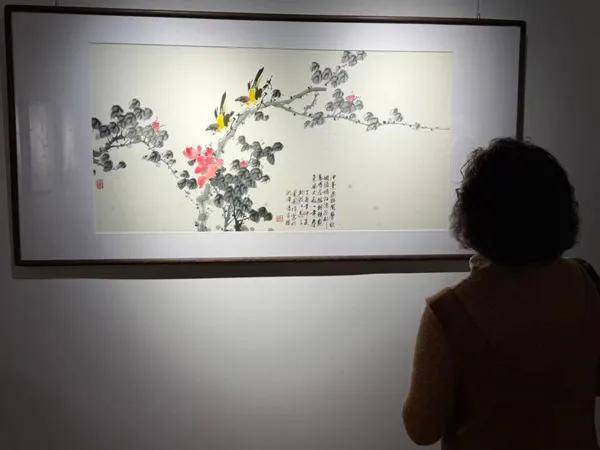
61 Works Showcase an Artistic Quest: "Endless Faint Fragrance – Zeng Jingxiang's Freehand Flower-and-Bird Painting Exhibition" Opens in Xiangtan
The exhibition features 61 of Zeng's freehand flower-and-bird works. It runs until November 21 and is open to the public free of charge.
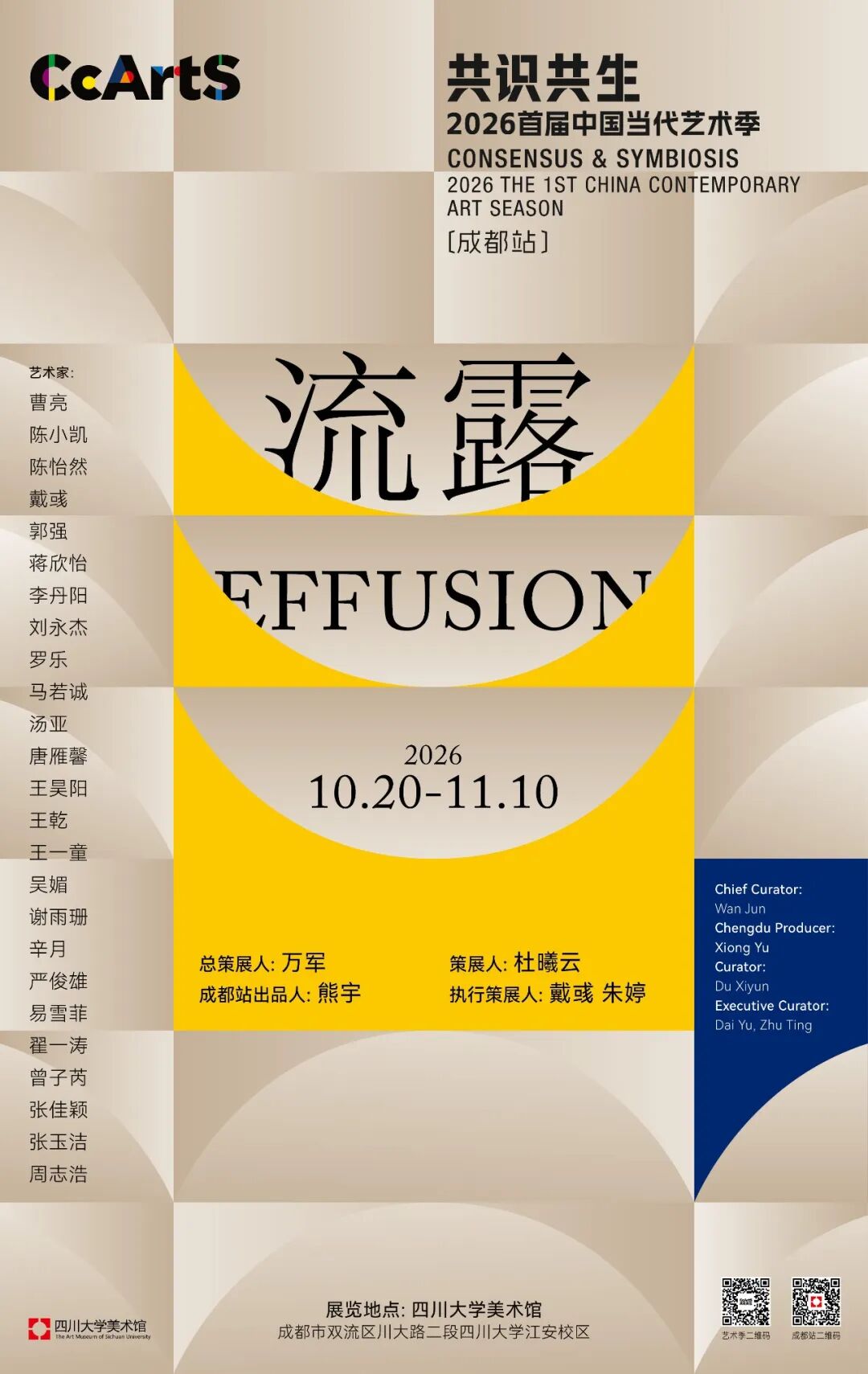
EFFUSION | Consensus and Symbiosis — The 1st Chinese Contemporary Art Season 2026 • Chengdu Station
We are living in an era of highly surplus visual information. Images are produced, disseminated, and reproduced at an unprecedented speed, and artificial intelligence has made image generation even easier. While the tools of expression are multiplying, discovering a truly personal artistic language does not necessarily become any easier.